
As a Shopify expert, I often work with high growth brands that find themselves stuck in a manual merchandising loop. You spend hours every week dragging and dropping products in your Shopify admin, trying to ensure your best sellers are at the top and out of stock items are buried. Despite these efforts, your conversion rate remains stagnant because manual updates can never keep pace with real time buyer behavior.
E-commerce merchants are constantly seeking ways to increase efficiency while providing a better user experience. The challenge is that a static store is a dying store. If a returning customer sees the exact same products in the exact same order every time they visit, your brand loses its sense of freshness and urgency. Dynamic merchandising is the solution to this fatigue. By leveraging tools like Rankify Smart Collections, you can automate your product sequencing based on data rather than intuition.
In this guide, I will outline five dynamic merchandising tips that will help you optimize your shopify store setup and significantly boost your conversion rates.
1. Implement Automated Collection Sorting
The foundation of dynamic merchandising is moving away from manual sorting. When you have hundreds or thousands of SKUs, manually ordering products is not just a time sink; it is an impossibility. Automated collection sorting allows you to define the logic that governs how products appear to your customers.
Why automated sorting is a vital step for growth:
- It ensures your most relevant products are always front and center without daily manual intervention.
- It reacts instantly to changes in customer demand and inventory levels.
- It maintains a professional and organized aesthetic across all device types.
To get started with Rankify Smart Collections, you can set rules that automatically sort products by sales velocity, price, or product age. For instance, you can ensure that your "All Products" collection always features your top 10% of revenue generators at the top. This simple change can boost your stores UX and conversion rate by reducing the friction between a customer arriving and finding a product they want to buy.
2. Use Weighted Rule Sets for Precision Control
Standard sorting is a good start, but expert level merchandising requires more nuance. This is where weighted rule sets come into play. Instead of sorting by a single metric like "Best Selling," weighted rules allow you to combine multiple data points to create a "Perfect Score" for every product in your collection.
As part of a professional shopify plus development strategy, I recommend creating a custom score based on the following factors:
- Revenue (40% Weight): Prioritize items that bring in the most money.
- Inventory Level (30% Weight): Push items with high stock to the top to avoid broken sizes.
- Conversion Rate (20% Weight): Highlight products that have a high "click to buy" ratio.
- Product Age (10% Weight): Give a small boost to new arrivals to keep the collection fresh.
By using this multi dimensional approach, you ensure that your merchandising strategy is balanced. You aren't just showing what sold well six months ago; you are showing what is selling well now, what is in stock, and what is new.
3. Prioritize Inventory Aware Merchandising
One of the biggest conversion killers in e-commerce is the "Out of Stock" disappointment. When a customer clicks on a beautiful product at the top of a collection only to find their size is missing, the likelihood of them bouncing increases dramatically.
Dynamic merchandising solves this by making your collections "inventory aware." You can configure Rankify to automatically move products with low inventory or missing "core sizes" to the bottom of the list.
Follow these steps to optimize inventory visibility:
- Set a threshold rule: Define what constitutes "low stock" (e.g., less than 5 units).
- Automate the "Push to Bottom" action: Ensure any product hitting that threshold is instantly moved below your fully stocked items.
- Hide out of stock items: For a cleaner look, you can choose to hide products entirely once they hit zero inventory across all variants.
This proactive step ensures that your custom shopify themes always showcase a curated, shoppable experience. It also helps with SEO by keeping high traffic pages populated with available products rather than "Sold Out" placeholders.

4. Balance Newness with Performance Data
Maintaining a balance between "What's New" and "What Works" is a constant struggle for fashion and lifestyle brands. Customers want to see the latest trends, but your business needs the reliable revenue from evergreen best sellers.
Using dynamic merchandising, you can create a "Trending" collection that automatically blends these two categories. By setting a rule that prioritizes products added within the last 14 days but also gives weight to items with high page views, you create a dynamic feed that feels like a curated social media wall.
Key benefits of blending newness and performance:
- Increased Repeat Sessions: Returning visitors always find something new to look at.
- Reduced Bounce Rates: High performance items provide social proof that keeps new visitors engaged.
- Automated Product Discovery: New items get the exposure they need to start generating their own sales data.
If you are just starting your shopify store setup, consider adding a featured collection to your home page that uses these dynamic rules. It is a powerful way to automate your "New Arrivals" section so it never goes stale.
5. Align Merchandising with Promotional Cycles
Your merchandising should not exist in a vacuum. It needs to align with your marketing campaigns, seasonal sales, and product launches. This is where combining dynamic sorting with scheduling tools becomes a game changer for Shopify Plus merchants.
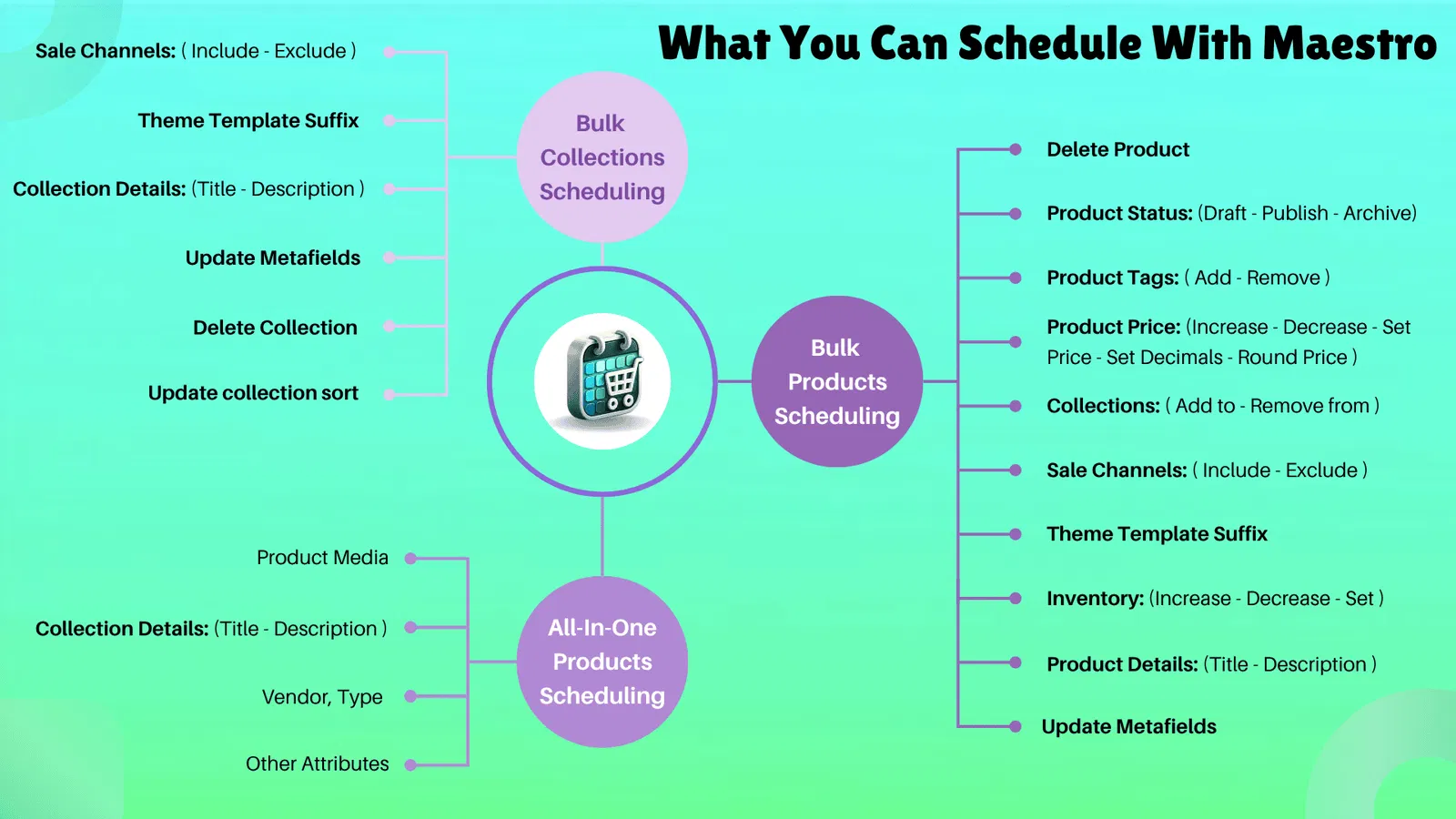
Using tools like Maestro, you can schedule theme changes and collection updates to go live at the exact moment your marketing emails hit inboxes. For example, if you are running a "Green Weekend" sale, you can schedule your collections to automatically prioritize products with "Green" tags and high discounts.

Once the sale period ends, the system reverts to your standard revenue focused sorting rules. This "set and forget" automation ensures that your store is always in sync with your brand's promotional calendar, without requiring a developer to be on standby at midnight.
Steps to synchronize your merchandising:
- Tag your promotional products: Use specific tags like "Sale2026" or "SpringCollection."
- Create a temporary rule set: In Rankify, create a rule that gives 100% weight to these tags.
- Schedule the visibility: Use Maestro to toggle the visibility of these promotional sections or collection headers.
- Monitor and adjust: Check your Google Analytics setup to see how the specific sorted collection is performing in real time.
Conclusion: The Power of Dynamic Automation
Transitioning from manual to dynamic merchandising is a vital step for any merchant looking to scale. By implementing automated sorting, weighted rule sets, and inventory aware logic, you remove the human error and delay that often leads to lost sales.
As a Shopify expert, I have seen these strategies transform struggling stores into conversion machines. It is not just about having great products; it is about ensuring the right product is seen by the right person at the right time. Automation through Rankify and Maestro allows you to focus on high level strategy and brand growth while the software handles the heavy lifting of product placement.
Ready to take your store to the next level? Start by auditing your current collection performance and identifying where manual work is slowing you down. Whether you need a full shopify plus development overhaul or just better tools for your existing custom shopify themes, the path to a higher conversion rate begins with dynamic, data driven merchandising.

If you need help setting up these advanced merchandising workflows or want to explore how custom Shopify development can accelerate your growth, reach out to the team at XCO Agency today. We specialize in building high performance e-commerce experiences that convert.