
As a Shopify expert, I often consult with high growth merchants who find themselves at a crossroads. Their domestic market is thriving, their brand awareness is peaking, and the data shows a clear surge in international traffic. The question is no longer if they should expand globally, but how they should architect that expansion to ensure profitability and a seamless customer experience.
When scaling across borders, two primary technical paths emerge: utilizing the native capabilities of Shopify Markets or investing in a headless architecture using Shopify Hydrogen. While these two solutions are not mutually exclusive, they represent different philosophies in how an e-commerce business operates and scales.
In this guide, I will break down the differences, advantages, and strategic considerations for each approach to help you decide which path aligns with your brand’s long-term vision.
The Global Expansion Dilemma
Most merchants are seeking a way to offer a localized experience without creating an operational nightmare. A truly global store must handle several complex variables:
- Currency Conversion: Displaying prices in local currency and accepting payments through local methods.
- Language Localization: Translating content, product descriptions, and SEO metadata.
- Regulatory Compliance: Managing duties, taxes, and local consumer laws.
- Content Relevance: Showing seasonal products that match the hemisphere or region of the visitor.
- Performance Speed: Ensuring the site loads instantly regardless of where the customer is located.
Choosing the wrong strategy early on can lead to technical debt or a fragmented brand identity that is difficult to fix later.

Shopify Markets: The Native Path to Localization
Shopify Markets is the out-of-the-box solution designed to help merchants manage multiple regions from a single Shopify store. It centralizes international selling tools into one dashboard, making it the most accessible starting point for most businesses.
Why Merchants Choose Shopify Markets
For many brands, the primary benefit of Shopify Markets is operational simplicity. You do not need a massive development team to launch a new region.
- Centralized Management: You manage one inventory, one product catalog, and one set of customer data.
- Rapid Deployment: You can activate new markets in minutes by configuring localized domains and currencies.
- Built-in Compliance: Shopify handles the complexity of calculating duties and taxes at checkout, which is a vital step for international trust.
- Market-Specific Pricing: You can set custom price adjustments for specific regions to account for shipping costs or local market positioning.
The Limitations of the Native Approach
While Shopify Markets is powerful, it operates within the constraints of the Liquid templating engine. If you require highly unique frontend experiences for different countries, such as a completely different homepage layout for Japan versus the United States, you might find the native theme editor limiting. Furthermore, as your store grows in complexity, managing dozens of localized "market" settings within a single admin can eventually become cluttered.
Hydrogen: The Headless Route to Global Dominance
Hydrogen is Shopify’s React-based framework for building headless storefronts. Instead of using a standard Shopify theme, you build a custom frontend that communicates with the Shopify backend via the Storefront API.
How Hydrogen Enhances Global Strategy
If your brand demands total control over the user interface and performance, Hydrogen is the superior choice. It is built for speed and flexibility.
- Unmatched Performance: Because Hydrogen uses server-side rendering and a specialized edge-delivery network (Oxygen), it offers lightning-fast load times globally.
- Complete Creative Freedom: You are not tied to the "sections and blocks" logic of Liquid. You can build bespoke experiences tailored to the cultural nuances of every region.
- Multi-Store Orchestration: Hydrogen allows you to pull data from multiple sources. You could, for example, have one Shopify backend for the US and another for the EU, but present them through a single, unified frontend.
- Optimized UX: Customizing the buyer journey is easier with Hydrogen, which can significantly boost your store's UX and conversion rate.
The Trade-offs of Going Headless
The primary hurdle with Hydrogen is the requirement for a dedicated development team. You lose the "drag-and-drop" ease of the Shopify theme editor. Every change, from a new banner to a layout tweak, typically requires a developer to push code. For brands that prioritize agility and frequent marketing updates, this can be a bottleneck unless they have a robust internal dev team or a long-term partnership with an agency like XCO Agency.
Strategic Comparison: Markets vs. Hydrogen
To help you decide, let's look at how these two stack up across key business priorities.
| Feature | Shopify Markets | Hydrogen (Headless) |
|---|---|---|
| Speed to Market | Very Fast | Slow to Moderate |
| Development Cost | Low | High |
| Performance | Excellent (Theme dependent) | Superior (Edge-cached) |
| Customization | Moderate | Unlimited |
| Operational Effort | Low (Single Admin) | High (Dev-led updates) |
Operational Excellence: Managing Global Content
Regardless of whether you choose Shopify Markets or Hydrogen, the challenge of managing a global store remains. When you sell in multiple time zones, launching sales or updating content becomes a 24/7 task. This is where automation tools become essential.
For instance, if you are running a seasonal promotion in Australia while it is still nighttime in your headquarters, you cannot rely on manual updates. As a proactive step, I recommend using the Maestro Theme Scheduler. This tool allows you to schedule when specific theme sections appear or disappear.
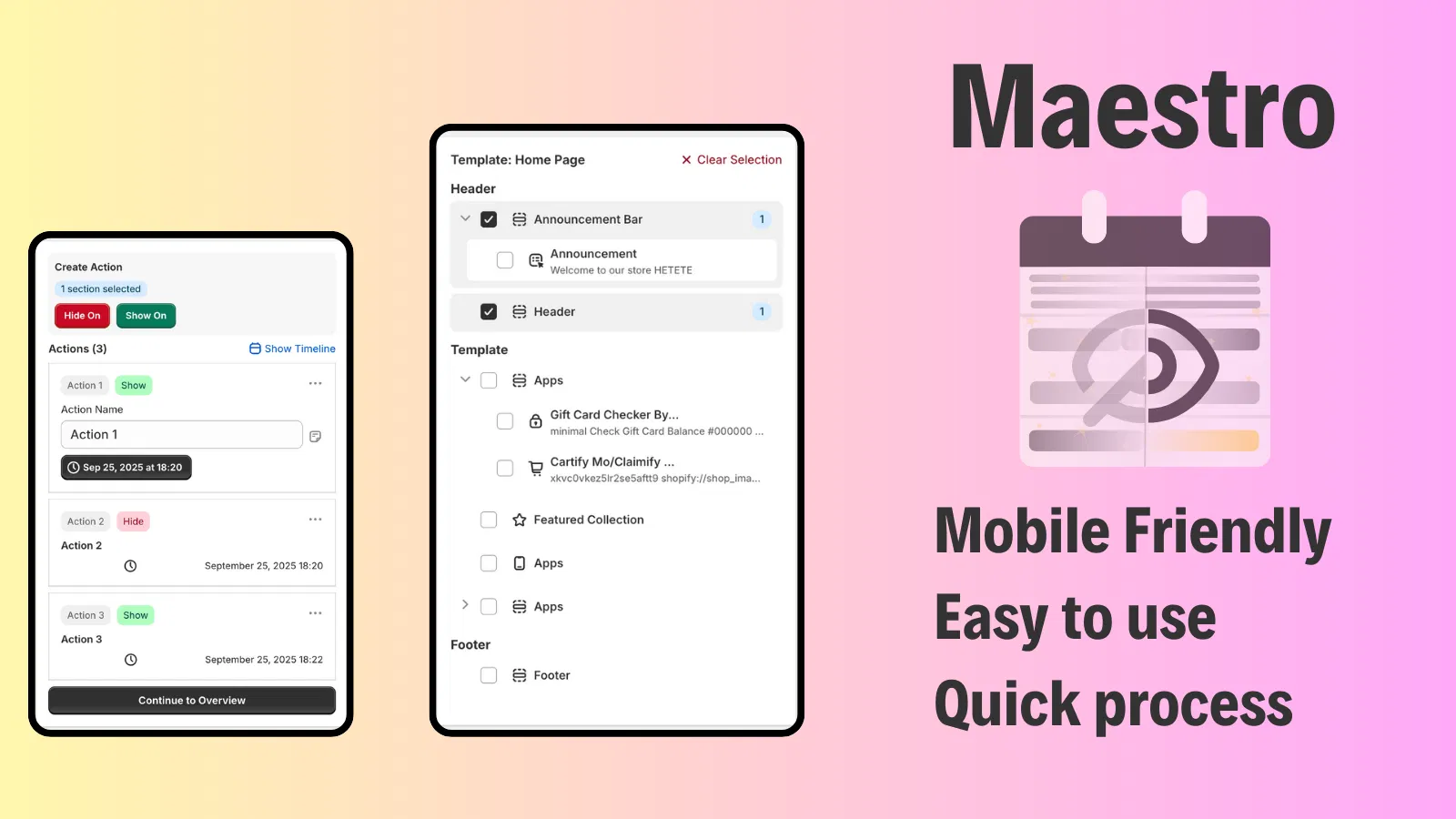
Here are simple steps to automate your global content:
- Identify Regional Events: List the holidays or sales events specific to your target markets.
- Create Custom Sections: Design sections in your Shopify admin that cater to those specific audiences.
- Schedule with Maestro: Use the Maestro interface to set exact start and end times for these sections based on the local time of the market.
- Automate Product Status: Use the Product Maestro Scheduler to ensure products go live or hide at the exact moment your marketing emails are sent.
Handling the Global Post-Purchase Journey
Global expansion is not just about the sale; it is about the entire lifecycle of the customer. One of the biggest friction points for international customers is the returns and claims process. If a customer in the UK receives a damaged item from a US-based brand, they need a simple way to report it without waiting for customer support to wake up.
We often implement Claimify for our global clients. It provides a self-service portal where customers can submit claims, upload photos of damaged goods, and track the status of their requests.
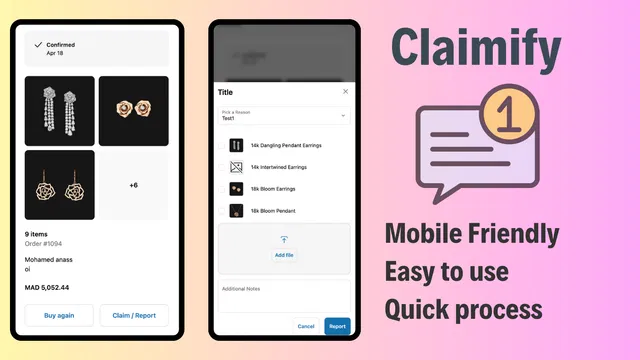
By automating this process, you reduce the workload on your support team and build significant brand trust with your international audience. Providing a clear, easy-to-use claims process is a vital step in maintaining a high retention rate across borders.
Decision Matrix: Which One Is Right for You?
Choose Shopify Markets If:
- You want to test 5-10 international markets quickly without a massive upfront investment.
- Your marketing team needs to make frequent changes to the site without waiting for developers.
- You want to manage your entire business from a single Shopify admin panel.
- You are currently using a well-optimized Shopify theme and are happy with its performance.
Choose Hydrogen If:
- Your brand identity requires a unique, highly interactive digital experience that goes beyond standard templates.
- You have already achieved significant scale and need the absolute best performance (sub-second load times) to maximize conversions.
- You have a complex tech stack where Shopify is just one of many systems feeding into the frontend.
- You have the budget for ongoing development and DevOps support.

Final Thoughts: A Proactive Approach to Global Growth
Choosing between Shopify Markets and Hydrogen is a strategic decision that affects every part of your business, from your marketing agility to your technical overhead. Shopify Markets is the "native" path that offers incredible speed and ease of use, while Hydrogen is the "performance" path that offers total control.
At XCO Agency, we help brands navigate these complex decisions. Whether you are looking to optimize your current store's UX or build a custom headless storefront from scratch, the goal remains the same: creating a localized, high-converting experience for every customer, no matter where they are in the world.
Once your expansion strategy is set, focus on the operational tools that will keep your store running smoothly. Automating your content with Maestro and streamlining your support with Claimify are the finishing touches that turn an international store into a global powerhouse.
Ready to take your Shopify Plus store to the global stage? Let's discuss how we can build a scalable architecture for your brand's international future.