
As a Shopify expert, I often see merchants spending hours every week manually reordering products in their collections. They chase trends, move out-of-stock items to the bottom, and try to highlight new arrivals, only to find that by the time they finish, the data has already changed. This manual approach is not just a drain on resources; it is a missed opportunity for conversion. In the world of high-volume commerce, static merchandising is a relic of the past.
Merchants today are seeking more than just a place to list products. They need a system that thinks as fast as their customers shop. They require a strategy where data drives visibility, ensuring that the right products are seen by the right people at exactly the right time. This is where Rankify Smart Collections enters the frame, offering a transformative approach to dynamic merchandising that integrates seamlessly with your Shopify store setup.
By moving away from manual sorting and embracing automated, weighted rule sets, you can unlock significant growth. Here are the primary benefits of shifting to a dynamic merchandising model:
- Increased Conversion Rates: Displaying high-performing products at the top of collections ensures customers find what they want faster.
- Inventory Efficiency: Automatically push low-stock items down or highlight overstock to balance your inventory levels.
- Improved User Experience: Create a fresh shopping environment where collections update based on sales, age, and stock levels.
- Time Reclaimed: Automate the repetitive tasks of sorting, allowing your team to focus on high-level growth strategies.
The Limitations of Traditional Shopify Collections
When we look at standard shopify plus development, the platform offers incredible flexibility, but its native collection sorting can sometimes feel rigid for massive catalogs. You can sort by "Best Selling" or "Newest," but these are often one-dimensional filters. They do not account for the nuance required in modern e-commerce. For example, a "Best Seller" might be out of stock, yet it remains at the top of the page, leading to a frustrating user journey.
Static collections also fail to adapt to seasonal shifts or flash sales without manual intervention. If you are running a large-scale operation, the complexity of managing hundreds of collections across various custom shopify themes becomes a bottleneck. You need a way to combine multiple data points: like sales velocity, margin, and stock levels: into a single, cohesive ranking logic.
Introducing Rankify: The Future of Dynamic Merchandising
Rankify changes the game by treating your collection pages as living organisms. Instead of a static list, your collections become dynamic engines powered by real-time data. This tool allows you to set sophisticated rules that govern exactly how products appear. It goes beyond simple "if-then" logic to provide a nuanced, weighted approach to product placement.
Automated Sorting by Multi-Dimensional Data
The core power of Rankify lies in its ability to aggregate different metrics to determine a product's rank. You are no longer forced to choose between sorting by price or sorting by date. You can now use:
- Sales Velocity: Rank products based on how quickly they are selling over a specific period.
- Inventory Levels: Prioritize items with deep stock to prevent "sold out" clicks.
- Product Age: Automatically highlight new arrivals for a set number of days before they settle into the regular ranking.
- Tag-Based Sorting: Use specific tags to boost seasonal items or promotional products to the top of any collection.

The Power of Weighted Rule Sets
One of the most significant shifts Rankify introduces is the concept of weighted rule sets. In a standard shopify store setup, you might be able to sort by one attribute. With Rankify, you can create a formula. For instance, you could decide that "Sales Performance" accounts for 50 percent of a product's rank, while "Stock Availability" accounts for 30 percent, and "Product Margin" accounts for 20 percent.
This level of control ensures that your merchandising strategy aligns perfectly with your business goals. If your goal is to clear out old inventory, you can temporarily increase the weight of the "Product Age" or "Discount Level" attribute. If you want to maximize profit, you can weight higher-margin items more heavily. This flexibility is vital for merchants who need to pivot quickly in a competitive market.

How Rankify Enhances Your Shopify Plus Development Strategy
For brands investing in shopify plus development, the goal is always to create a premium, high-converting experience. Custom shopify themes often include sophisticated layouts that deserve equally sophisticated backend logic. Rankify acts as the "brain" behind these layouts.
When we develop custom shopify themes, we often look for ways to reduce the manual workload for the merchant. By integrating Rankify, we ensure that the beautiful storefront we build remains optimized long after the initial launch. The app handles the heavy lifting of data processing, ensuring that the merchandising remains sharp even as the product catalog grows or changes.
A Step-by-Step Guide to Implementing Rankify Smart Collections
Setting up a dynamic merchandising system might sound complex, but the process is streamlined to ensure you can start seeing results quickly. Here are the simple steps to get started:
- Define Your Business Objectives: Identify what matters most for your store right now. Is it moving inventory, increasing AOV, or showcasing newness?
- Navigate to the Rankify Dashboard: Access the intuitive interface where you can manage your collection rules.
- Create Your First Weighted Rule Set: Select the attributes you want to track (e.g., Inventory, Sales, Price).
- Assign Weights to Each Attribute: Use the slider tools to decide the importance of each metric in your final ranking.
- Apply to Specific Collections: You can choose to apply rules globally or create unique logic for specific categories like "Sale" or "New Arrivals."
- Review and Optimize: Monitor the performance and adjust your weights as seasonal needs or market conditions change.
Why Automation is Vital for Custom Shopify Themes
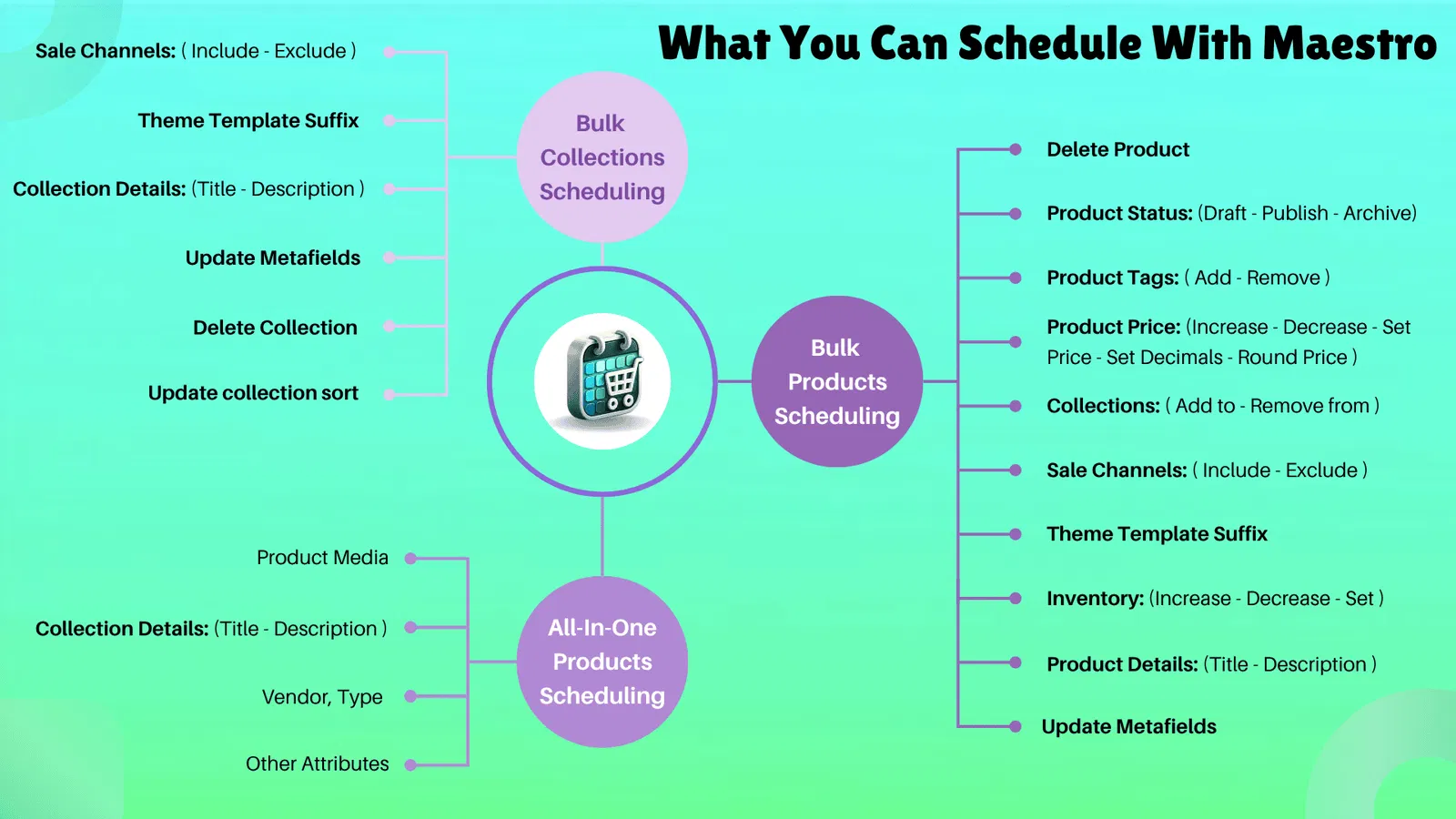
In a high-growth environment, the scale of operations often outpaces the ability of a human team to manage it. This is why automation tools like Rankify and the Maestro Theme Scheduler are becoming essential components of the modern e-commerce stack.
When your merchandising is automated, your team is freed from the "busy work" of clicking and dragging products in the Shopify admin. This allows them to focus on creative strategy, growth strategies, and customer acquisition. Furthermore, automation removes human error. You will never have to worry about a "hidden" bestseller sitting on page five because someone forgot to update the collection.

Real-World Impact: From Static to Dynamic
Consider a fashion retailer using a custom shopify theme. They have a "New Arrivals" collection that updates every Tuesday. Before Rankify, a merchandiser had to manually move the newest items to the top and push older "new" items down. With Rankify, the system automatically recognizes the "created_at" date and combines it with "current_stock." The result? The newest, most available items are always first. If an item sells out, it immediately drops to the bottom, preserving the integrity of the shopping experience.
This proactive step toward automation is what separates market leaders from those just getting by. By leveraging the data already present in your Shopify store, you can create a merchandising strategy that is both reactive to customer behavior and proactive in meeting business goals.
Integrating Rankify into Your Larger Ecosystem
Dynamic merchandising does not live in a vacuum. It should be part of a broader strategy that includes shopify speed optimization and robust backend management. When your collections are optimized to show the most relevant products, your page load times and conversion paths become more efficient. Users find what they need faster, click less, and convert more.
If you are currently planning a migration to shopify, including a tool like Rankify in your initial roadmap is a smart move. It ensures that from day one, your store is operating at peak efficiency.

Conclusion: Taking the Next Step in Your Merchandising Journey
The transition from manual to dynamic merchandising is a vital step for any ambitious merchant on Shopify Plus. By using Rankify to automate your collection sorting based on sales, inventory, and custom weights, you are not just saving time; you are creating a more profitable, user-friendly store.
We have seen that the most successful brands are those that embrace automation to stay agile. Whether you are focused on improving your shopify store setup or refining your custom shopify themes, Rankify provides the logic and the power to elevate your brand.
Are you ready to stop manually sorting and start strategically selling? The team at XCO Agency is here to help you implement these advanced tools and streamline your operations. Book a meeting with us today to discuss how we can optimize your Shopify Plus store for maximum growth and efficiency. For more information on our full suite of services, feel free to explore our services or check our frequently asked questions.