
As a Shopify expert, I often see high-growth merchants reach a frustrating plateau. They have a product that people love and a brand that resonates, but the moment they try to ship across borders, they hit a wall of complexity. Between calculating landed costs, managing international tax nexus, and navigating the nightmare of cross-border fraud, the dream of global expansion can quickly become an operational burden.
International e-commerce is no longer just about translating a few pages and offering currency conversion. Today’s global consumers expect a localized experience that feels native to their region. They want to see final prices inclusive of duties, pay with their preferred local methods, and trust that their package will actually arrive. This is where Shopify Markets Pro comes into play.
Understanding Shopify Markets Pro
In mid-2025, Shopify renamed Markets Pro to Managed Markets. This change was designed to better reflect the comprehensive, "done-for-you" nature of the service. Whether you call it Markets Pro or Managed Markets, the core value proposition remains the same: it is a full-stack localization and compliance solution that utilizes a Merchant of Record (MoR) model.
By partnering with Global-e, Shopify becomes the legal entity responsible for selling your products in over 150 countries. This is a significant shift from the standard Shopify Markets setup. While standard Markets gives you the tools to localize, Managed Markets takes over the legal and financial liability of those international transactions.
The Problem Shopify Markets Pro Solves
Merchants seeking global growth often struggle with several key pain points that this platform is designed to eliminate:
- Tax and Duty Compliance: The risk of miscalculating import duties or failing to remit local VAT can lead to hefty fines or packages held at customs.
- Currency Volatility: Fluctuating exchange rates can eat into margins between the time an order is placed and when it is settled.
- International Fraud: High-growth stores are often targets for sophisticated cross-border fraud that standard filters might miss.
- Operational Overload: Managing individual registrations and filings in dozens of different countries is an administrative drain.

Core Features of Shopify Markets Pro
To succeed on a global scale, you need more than just a checkout that accepts different currencies. You need a robust infrastructure. Managed Markets provides this through several key features.
1. Automated Tax and Duty Management
Managed Markets automatically calculates and collects duties and taxes at checkout. This ensures a "Delivered Duty Paid" (DDP) experience for the customer. There are no surprise fees upon delivery, which is one of the leading causes of international cart abandonment and negative reviews.
2. Foreign Exchange Protection
One of the most underrated features is the 30-day exchange rate lock. When a customer places an order, the exchange rate is guaranteed for 30 days. This protects your business from currency fluctuations that could otherwise turn a profitable sale into a loss.
3. Expanded Local Payment Methods
While Shopify Payments handles major credit cards, Managed Markets opens the door to essential local providers like Klarna in Europe or specialized digital wallets in Asia. Offering these native options significantly increases conversion rates by building trust with the local consumer base.
4. Guaranteed Fraud Protection
Every international order processed through Managed Markets is backed by automatic fraud screening. Because Global-e acts as the Merchant of Record, they take on the risk. If a fraudulent transaction occurs and a chargeback is issued, the platform covers the cost and handles the dispute.
5. Compliance Automation
Managed Markets automatically scans your product catalog and removes items that are restricted in specific countries. This prevents you from inadvertently selling products that would be seized by customs, ensuring your brand stays in good standing with international regulators.
Shopify Markets vs. Managed Markets: Which Is Right for You?
Choosing between the standard Shopify Markets and the Pro version (Managed Markets) depends on your current scale and your appetite for risk.
| Feature | Shopify Markets | Managed Markets (Pro) |
|---|---|---|
| Merchant of Record | You (the merchant) | Global-e / Shopify |
| Tax & Duty Collection | Advanced/Plus only (estimates) | Automatic & Guaranteed |
| Fraud Protection | Standard filters | Full chargeback protection |
| Compliance | Manual management | Automated restrictions |
| Local Payments | Limited to Shopify Payments | Comprehensive local options |
If you are just testing the waters in one or two neighboring countries, the standard Shopify Markets might suffice. However, if you are looking to aggressively expand into dozens of international territories without hiring a massive compliance team, Managed Markets is the superior choice.

Strategic Advice for High-Growth Merchants
Simply turning on Managed Markets is only the first step. To truly dominate a global market, you must treat each region as a unique storefront. Here are the steps I recommend for a successful rollout.
Step 1: Audit Your Catalog
Before enabling global shipping, review your product data. Ensure that your HS codes (Harmonized System codes) are accurate. Managed Markets uses these codes to calculate duties. If your codes are wrong, your customers might be overcharged or your products might be flagged.
Step 2: Localize Content with Intention
Translation is not localization. Use high-quality translation tools or professional services to ensure your copy resonates with local cultural nuances. This is where Shopify design services can help you create layouts that adapt to different languages and reading patterns.
Step 3: Schedule Global Campaigns
When running global sales, time zones become a major hurdle. You do not want a Black Friday banner appearing in the UK when it is still Thursday evening in New York. We recommend using tools like the Maestro Theme Scheduler to automate your theme changes. This allows you to schedule specific sections or promotional banners to appear and disappear based on the local time of your target markets.
Step 4: Optimize Product Availability
Different regions may have different seasonal trends. Use the Product Maestro Scheduler to manage product launches across different markets. For example, you can launch a summer collection in Australia while maintaining a winter focus in the Northern Hemisphere, all through automated scheduling.

Managing Post-Purchase Expectations Globally
The international customer journey does not end at the "Buy" button. In fact, the most critical part of global expansion is what happens after the order is placed. Shipping times are naturally longer, and the potential for issues increases.
Handling International Claims and Returns
Returns are the Achilles' heel of cross-border e-commerce. Logistics costs can often exceed the value of the item. To maintain a professional image and keep customers happy, you need a streamlined way for them to report issues.
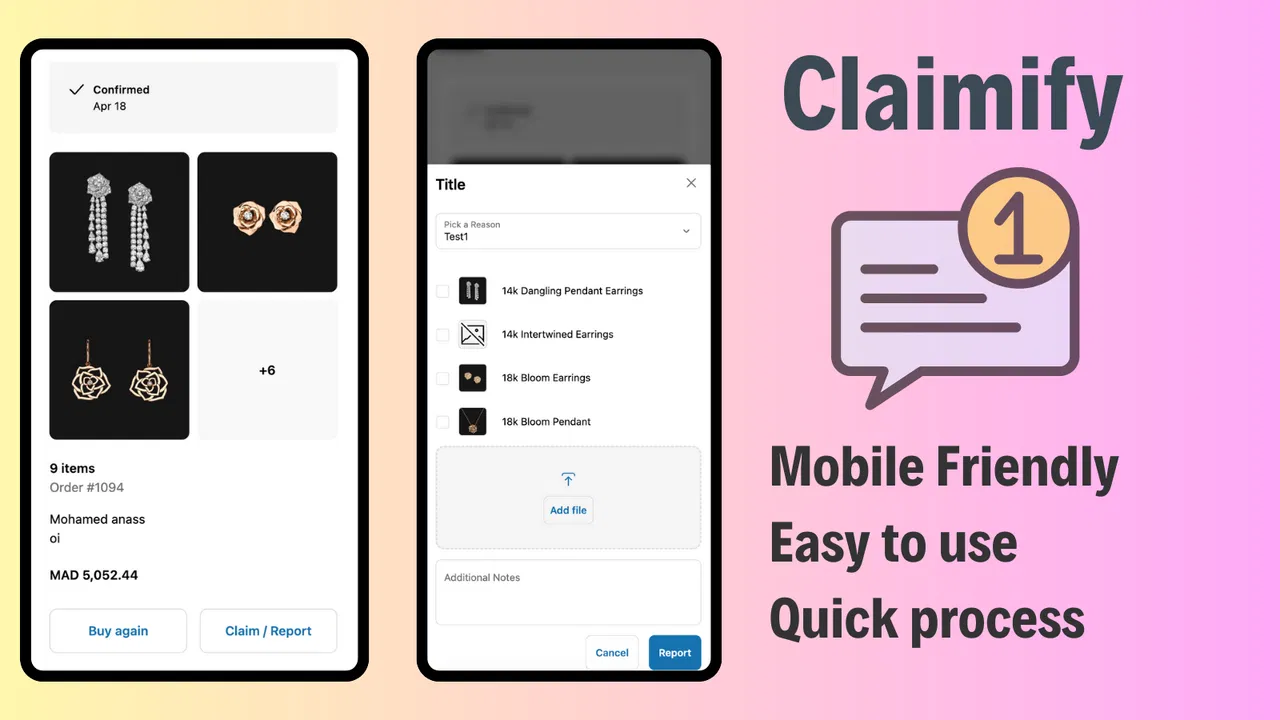
This is where Claimify becomes essential. By providing a dedicated, mobile-friendly interface for claims, you allow international customers to easily report damaged items or shipping errors. This reduces the burden on your support team and ensures that global customers feel just as valued as your local ones.
Key Technical Considerations for Implementation
Transitioning to Managed Markets involves a few technical shifts that you should be prepared for:
- Shipping Labels: You must use the shipping labels generated through the Managed Markets platform to ensure the Merchant of Record protections apply.
- Checkout Extensibility: Ensure your store is using Shopify Checkout Extensibility to maintain compatibility with the latest Managed Markets features.
- API Integrations: If you use a third-party ERP or specialized Shopify integrations, verify that they can ingest the specific order data structures used by Global-e.
Growing Your Global Presence
Global expansion is a vital step for any merchant looking to future-proof their business. While the complexities of international trade used to be a barrier for all but the largest corporations, Shopify Markets Pro (Managed Markets) has leveled the playing field.
By offloading the legal and financial heavy lifting to a Merchant of Record, you can focus on what you do best: building products and telling your brand's story. Remember that global success is not just about logistics; it is about the entire customer experience, from the first time they see a localized ad to the moment they receive their package.
If you are ready to take your store to the global stage but feel overwhelmed by the technical setup or the strategic planning required, our team at XCO Agency is here to help. We specialize in growth strategies and Shopify speed optimization to ensure your store performs perfectly for every customer, regardless of where they are in the world.
Taking a proactive step toward global selling today can lead to significant revenue growth tomorrow. Navigate to your Shopify admin, explore the Markets settings, and start your journey toward international dominance. If you need a partner to guide you through the process, feel free to book a meeting with us. Together, we can unlock the full potential of your brand on the world stage.