
As a Shopify expert, I often see merchants hit a ceiling when they try to scale beyond their domestic borders. The complexity of international taxes, duties, and local compliance can be enough to stop a high-growth brand in its tracks. I often work with business owners who are seeking a way to reach a global audience without the administrative nightmare of registering for tax IDs in fifty different countries.
Shopify Markets Pro is the solution to this specific struggle. It is not just a tool for currency conversion; it is a full-scale international expansion engine. By acting as a Merchant of Record (MoR), Shopify Markets Pro takes the legal and financial burden off your shoulders, allowing you to focus on what you do best: building your brand and selling products.
In this guide, I will break down everything you need to know about Shopify Markets Pro and how to leverage it for maximum impact.
Why High-Growth Merchants Are Moving to Markets Pro
Before diving into the "how," it is vital to understand the "why." International commerce is fraught with friction. Customers are often hesitant to buy from overseas brands because of hidden costs, slow shipping, and unfamiliar payment methods.
Here are the primary benefits of adopting Shopify Markets Pro:
- Risk Mitigation: Shopify (via Global-e) assumes the risk for fraud and currency fluctuations.
- Reduced Administrative Overhead: You do not need to register for VAT or GST in every country where you sell.
- Improved Conversion Rates: By offering localized pricing, local payment methods, and guaranteed duties at checkout, you remove the barriers to purchase.
- Operational Efficiency: All your international orders are managed within your existing Shopify admin, centralizing your fulfillment and inventory data.
- Compliance Guarantee: The platform automatically handles restricted items, ensuring you do not sell products in regions where they are prohibited.

Understanding the Merchant of Record Model
The most significant difference between standard Shopify Markets and Shopify Markets Pro is the Merchant of Record (MoR) status. When you use Markets Pro, Global-e becomes the legal entity responsible for the transaction.
As a Shopify expert, I find that many merchants initially misunderstand this. You still own your brand, your customer data, and your store. However, for the purposes of international law, Global-e is the one collecting the money and remitting the taxes. This means they take on the responsibility for tax compliance, calculation, and remittance. This single feature can save a high-growth company hundreds of hours of accounting work and thousands of dollars in legal fees.
Core Features That Power Global Success
Shopify Markets Pro offers a suite of features designed to make cross-border commerce feel like local commerce.
1. Automated Duties and Taxes
One of the biggest conversion killers in international e-commerce is the "surprise" duty bill upon delivery. Markets Pro calculates these costs in real-time and includes them at checkout. Using Delivered Duty Paid (DDP) shipping through partners like DHL Express ensures that your customer pays the final price upfront. No more packages held at customs and no more frustrated customers receiving unexpected invoices.
2. Localized Payment Methods and Currencies
Trust is the currency of the internet. By offering over 136 local currencies and dozens of local payment methods (such as iDEAL in the Netherlands or Bancontact in Belgium), you signal to the customer that you are a local player. This level of localization significantly boosts brand authenticity. To further enhance this, you might consider how your store's visual identity scales across regions, such as by adding a custom font to your store that supports multiple character sets.
3. Fraud and Chargeback Protection
International orders are statistically higher risk for fraud. Markets Pro includes built-in protection. If an order is flagged as fraudulent after it has been cleared by the system, Global-e covers the cost. This peace of mind is essential for high-volume merchants moving into unfamiliar territories.
4. Simplified International Shipping
Markets Pro streamlines fulfillment by providing pre-negotiated, competitive shipping rates and simplified label printing. The platform automatically generates all necessary customs documentation, reducing the risk of errors that lead to shipping delays.
Strategic Advice for Global Launches
Simply turning on Markets Pro is the first step, but succeeding at scale requires a more strategic approach. At XCO Agency, we recommend merchants think about their global presence as a series of coordinated events.
Orchestrating Global Campaigns
When you launch in a new market, you need to ensure your store reflects that market's specific context. For example, if you are running a promotion specifically for the Lunar New Year in Asia, your theme needs to update at the exact right moment in those specific time zones.
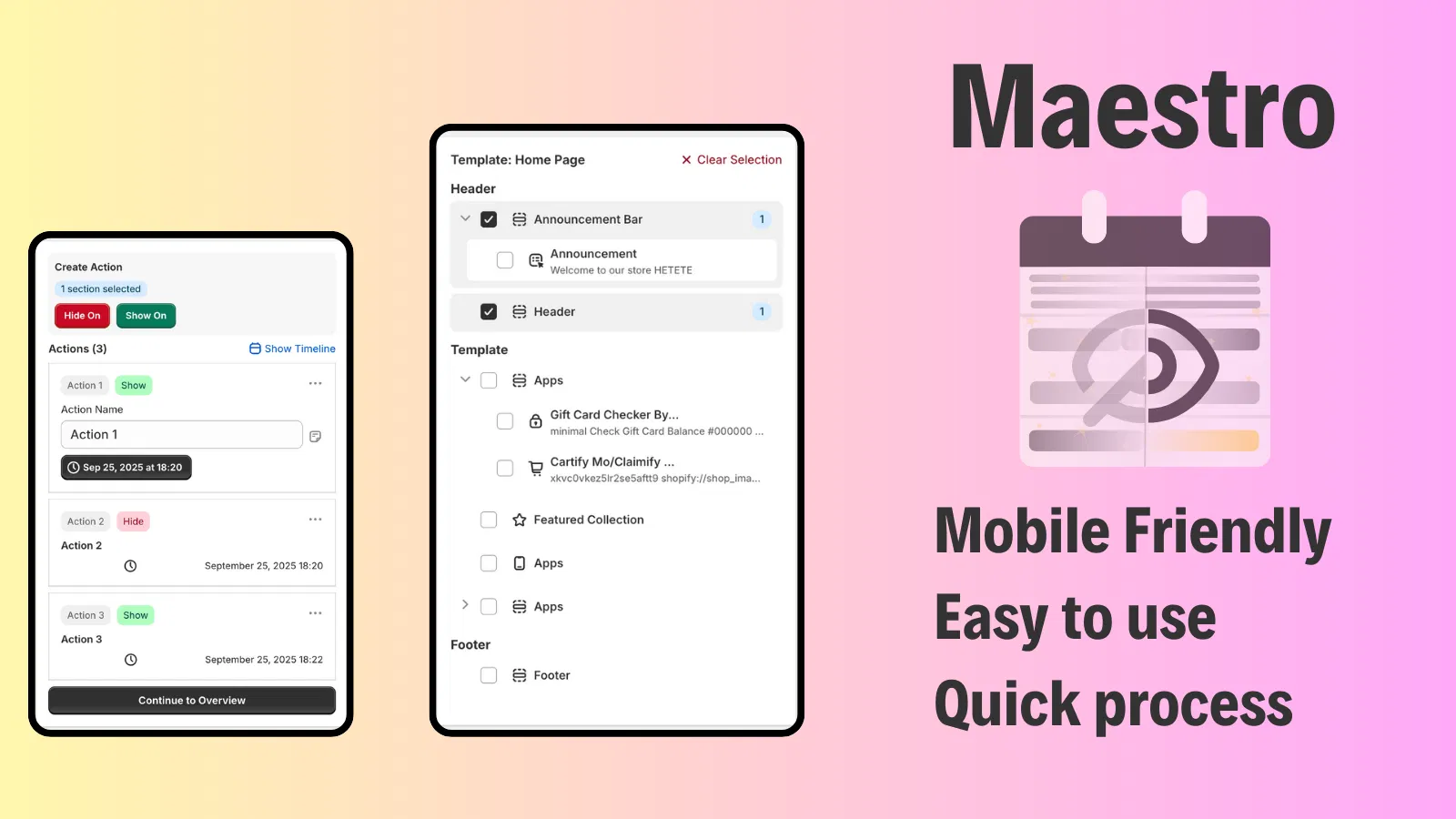
This is where automation tools become vital. I recommend using the Maestro Theme Scheduler to automate your theme changes. This allows you to schedule specific sections or blocks to appear or disappear based on your campaign calendar. You can prepare your international landing pages weeks in advance and let the system handle the launch while you sleep.
Managing Inventory for Drops
If you are a brand that relies on product drops, managing international availability is a challenge. You may want certain products to be available in Europe before they launch in North America. Using the Product Maestro Scheduler allows you to automate the visibility of products across different markets and sales channels, ensuring that your global inventory strategy is executed perfectly every time.
How to Get Started with Shopify Markets Pro
If you are ready to take your store global, follow these steps to set up Shopify Markets Pro.
Step 1: Check Your Eligibility
Log into your Shopify admin and navigate to Settings, then Markets. Check if your store meets the requirements for Markets Pro. Generally, you need to be on a supported plan and located in a supported primary region (currently primarily the US and UK, though expansion is ongoing).
Step 2: Complete the Application
Because Global-e acts as the Merchant of Record, there is an application process. You will need to provide business details and wait for approval. This process ensures that your business model aligns with international shipping regulations.
Step 3: Configure Your Markets
Once approved, select the countries and regions you wish to include in your Pro setup. Navigate to the "Markets" dashboard to manage these settings. You can choose to group countries into regions or manage them individually for more granular control over pricing.
Step 4: Set Up Shipping and Duties
Ensure your shipping profiles are updated to reflect Markets Pro rates. Select your preferred carriers (typically DHL Express or DHL eCommerce). Ensure that the "Collect duties and taxes at checkout" option is enabled to provide the best customer experience.
Step 5: Optimize Your Storefront
Review your store's usability for international visitors. I highly recommend conducting a conversion rate optimization audit specifically for your international markets. Ensure your domain is set up for maximum impact using subfolders or subdomains that signal localization to search engines.
Managing the Post-Purchase Experience
Success in international markets is not just about the sale; it is about the experience after the customer clicks "buy." Cross-border returns are notoriously difficult to manage. If a customer in Australia needs to return a product to a warehouse in the United Kingdom, the friction can be immense.
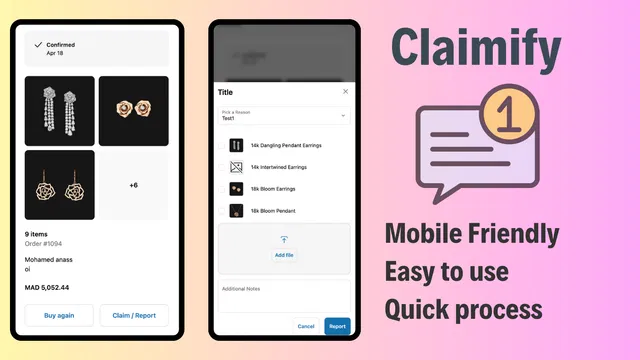
To handle this, I suggest implementing a streamlined claims process. Using an app like Claimify allows your customers to easily report issues or initiate claims through a mobile-friendly interface. This reduces the burden on your support team and builds long-term trust with your international audience.
Advanced Optimization and Analytics
Once your international markets are live, you must monitor performance closely. Shopify Markets Pro provides a detailed analytics dashboard that shows you exactly where your growth is coming from.

I recommend looking at the following metrics:
- Conversion Rate by Market: Is one region underperforming? You may need to adjust your pricing or local marketing.
- Average Order Value (AOV): Are international customers buying more or less than domestic ones?
- Return Rates: High return rates in a specific country might indicate a sizing issue or a mismatch in marketing expectations.
To ensure your tracking is accurate across all regions, make sure your Google Analytics setup and Google Tag Manager setup are configured to handle multi-currency and multi-domain data correctly.
Conclusion: The Path to Global Dominance
Expanding internationally is a vital step for any merchant looking to achieve high-growth status. Shopify Markets Pro removes the technical and legal barriers that previously made global expansion the exclusive domain of massive corporations. By leveraging Merchant of Record services, you can sell in 150+ countries as easily as you sell in your own backyard.
However, remember that the software is only part of the equation. Success requires a proactive step toward localization, automated scheduling for global campaigns, and a seamless post-purchase experience. At XCO Agency, we specialize in helping Shopify Plus merchants navigate these complexities. Whether it is through custom development or our suite of Maestro apps, we are here to help you scale.
If you are ready to optimize your international strategy or need help implementing Shopify Markets Pro, reach out to our team today for a consultation. Let us build your global empire together.