
As a Shopify expert, I often work with high-growth brands that find themselves trapped in the manual labor of collection management. When a store has fifty products, manual sorting is a minor chore. When that store scales to five hundred or five thousand products, manual merchandising becomes an impossible bottleneck. Merchants are seeking ways to keep their bestsellers at the top, hide out-of-stock items, and promote high-margin products without spending forty hours a week in the Shopify admin.
This is where automated merchandising through Rankify Smart Collections becomes a game-changer. Whether you are navigating a new Shopify store setup or managing a complex Shopify Plus development project, understanding how to leverage automated sorting is vital for maintaining a competitive edge.
Why Automated Merchandising is Non-Negotiable
Before we dive into the how, we must understand the why. In the fast-paced world of e-commerce, customer attention is the most valuable currency. If a shopper clicks on your "New Arrivals" collection and sees out-of-stock items or products from last season on the first page, you have likely lost a sale.
Here are the primary benefits of moving away from manual sorting:
- Boosted Conversion Rates: By ensuring that high-converting and high-inventory items are always visible, you align your store with customer intent.
- Significant Time Savings: Automation allows your team to focus on high-level growth strategies rather than the minutiae of product placement.
- Enhanced Customer Experience: Collections that feel fresh and relevant encourage longer browsing sessions and higher average order values.
- Inventory Optimization: Automatically pushing low-stock items to the bottom of the page prevents customer frustration and reduces bounce rates.

Understanding Rankify Smart Collections
Rankify Smart Collections is an advanced merchandising tool designed to overcome the limitations of native Shopify collection rules. While Shopify offers basic smart collections, Rankify introduces a layer of intelligence that allows for sophisticated, data-driven sorting.
The app supports up to 100,000 products, making it a robust solution for both growing boutiques and enterprise-level stores. It functions by monitoring your store data and automatically adjusting the order of products within your collections based on a set of rules you define.
The Power of Weighted Rule Sets
One of the most significant features of Rankify is the ability to create weighted rule sets. In a standard Shopify store setup, you might be able to sort by "Best Selling" or "Price: High to Low." However, real-world retail is rarely that simple.
You might want to sort by sales performance, but you also want to ensure that items with high inventory are prioritized, and you want to give a slight boost to products with a specific "Summer" tag. Rankify allows you to assign "weights" to these different criteria. For example, you could give Sales a 50 percent weight, Inventory a 30 percent weight, and Product Age a 20 percent weight. The app then calculates a score for every product and ranks them accordingly.
Core Sorting Criteria to Optimize Your Store
To succeed in automated merchandising, you need to understand the levers you can pull. Rankify offers several dynamic criteria for sorting:
1. Sales Performance
Prioritize products that are actually moving. You can set rules based on total sales over a specific period, ensuring that your "trending" items are always front and center.
2. Inventory Levels
Nothing kills a conversion faster than a page full of "Sold Out" badges. Use inventory rules to automatically demote items that are low in stock or completely out of stock to the very bottom of the collection.
3. Product Age
For fashion and trend-based industries, freshness is everything. You can set rules to ensure that the newest arrivals are always at the top, or conversely, create "Clearance" collections that prioritize the oldest stock.
4. Price and On-Sale Status
During promotional periods, you may want to lead with your best deals. Automated rules can detect when a product has a "compare at price" and move those discounted items to the top of the grid.
5. Tag-Based Sorting
This is where custom Shopify themes can truly shine. By using specific tags, you can create highly curated experiences, such as "Staff Picks" or "Eco-Friendly," and have these items automatically boosted across multiple collections.
Step-by-Step: Setting Up Your First Automated Collection
Setting up Rankify is a straightforward process, but it requires a strategic approach. Here are the simple steps to get started:
Step 1: Define Your Goal
Determine what you want to achieve for a specific collection. Is it to clear out old stock, or to showcase the bestsellers?
Step 2: Create a Rule Set
Navigate to the Rankify dashboard and create a new rule set. Here, you will select your sorting criteria (e.g., Sales, Inventory, Tags).
Step 3: Assign Weights
Decide which factor is most important. If you want a balanced approach, you might assign 40 percent to Sales, 40 percent to Inventory, and 20 percent to Newness.
Step 4: Apply to Collections
Select the collections you want to control with this rule set. You can apply one rule set to multiple collections, which is a massive time-saver for large catalogs.
Step 5: Review and Refine
Once the rules are live, check your storefront to ensure the logic reflects your brand's goals. You can trigger a manual force update if you need to see changes immediately.

Advanced Strategies for Shopify Plus Development
For merchants using Shopify Plus, the stakes are higher and the need for precision is greater. When we handle Shopify Plus development at XCO Agency, we often integrate Rankify with other growth strategies to maximize ROI.
Integration with Marketing Campaigns
If you are running a major social media campaign for a specific category, you can use Rankify to ensure the products featured in your ads are the first ones the customer sees when they land on the collection page. This consistency reduces friction and improves the "scent of the search."
Balancing Global and Local Rules
You can create global rule sets for your entire store while maintaining "override" rules for specific seasonal collections. This flexibility ensures that your automated merchandising never feels robotic or out of touch with your brand's voice.
Speed and Performance
A common concern with third-party apps is the impact on site speed. Because Rankify handles the sorting on the backend and updates the Shopify collection order directly, it does not add heavy scripts to your frontend. This is a vital step for maintaining high scores in Shopify speed optimization. You can learn more about our approach to performance on our Shopify speed optimization page.
Automation Beyond Sorting: The Maestro Connection
While Rankify handles the "what" and "where" of your products, you also need to consider the "when." Many of our clients at XCO Agency use Rankify in conjunction with tools like the Maestro Theme Scheduler.
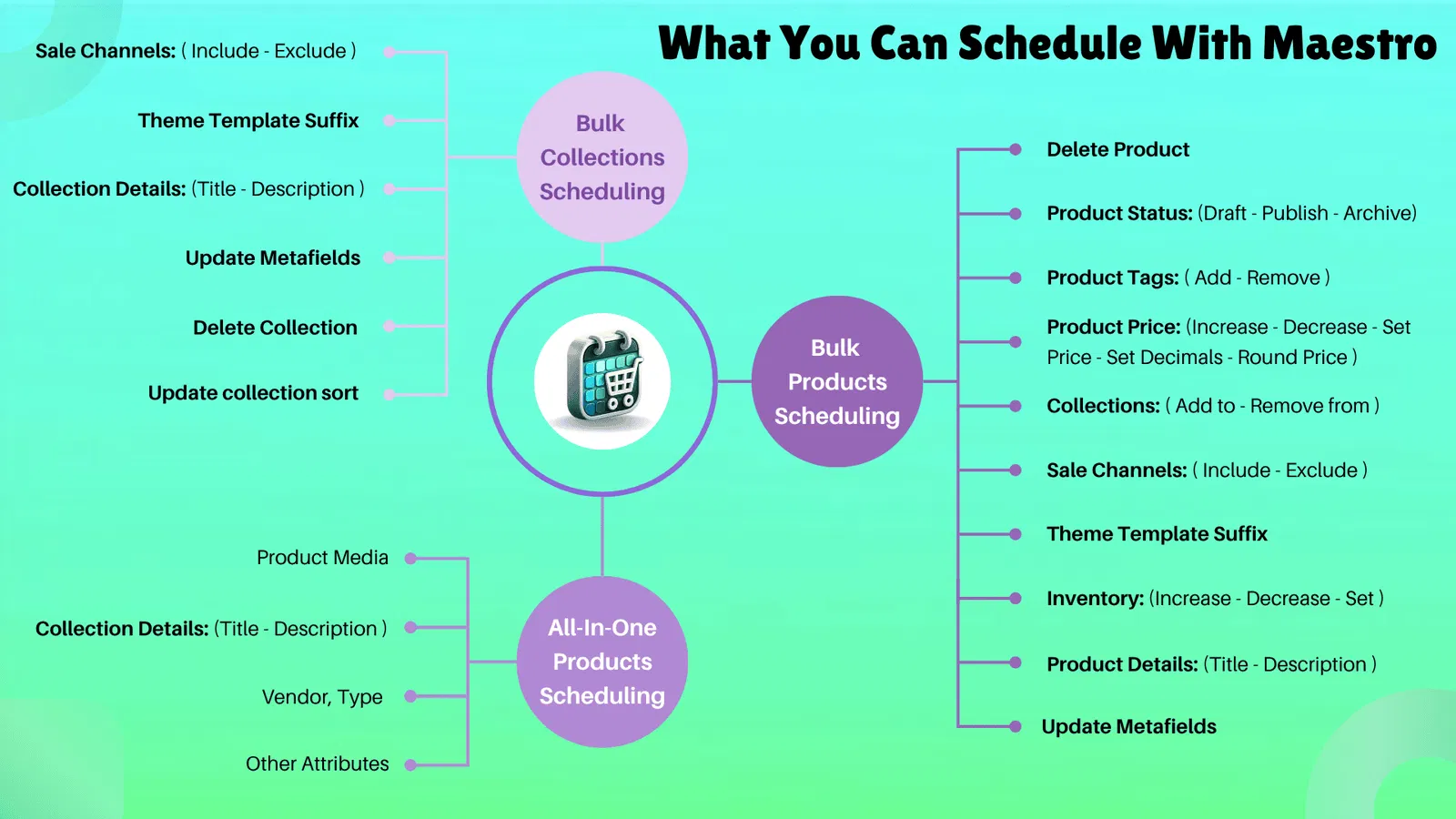
While Rankify ensures your products are sorted perfectly, Maestro allows you to schedule theme changes, promotional banners, and even section visibility to coincide with your automated collections. For example, you can schedule a "Sale" banner to appear exactly when your Rankify rules shift to prioritize "On-Sale" items. This level of synchronization is what separates top-tier e-commerce brands from the rest.

Common Pitfalls to Avoid
Even with the best tools, it is possible to make mistakes. Here are a few things to keep in mind:
- Over-Complicating Rules: Start simple. If you have ten different criteria with tiny weights, it becomes difficult to understand why a product is positioned where it is.
- Ignoring the Visual Balance: Sometimes a computer-generated sort can result in a visually jarring grid (e.g., all bright red products at the top). Occasionally check your collections to ensure they still look aesthetically pleasing.
- Neglecting Out-of-Stock Logic: Ensure your rules explicitly handle out-of-stock items. Simply sorting by "Sales" might keep a sold-out bestseller at the top for too long if the data is not refreshed frequently.
Conclusion: Taking the Proactive Step
Automated merchandising is no longer a luxury reserved for the giants of retail. With Rankify Smart Collections, stores of all sizes can implement sophisticated sorting logic that drives revenue and saves hours of manual work.
As you look to optimize your Shopify store setup, remember that the goal of automation is to serve your customers better. By presenting them with the products they are most likely to buy, in the order that makes the most sense, you create a frictionless path to purchase.
If you are looking to scale your business and need expert guidance on Shopify Plus development or custom Shopify themes, we are here to help. At XCO Agency, we specialize in building high-performance e-commerce experiences that convert.
After completing the initial setup of your automated collections, you will likely see an immediate improvement in your store's workflow. If you want to discuss how to integrate these tools into your broader growth strategies, feel free to book a meeting with our team today. Taking this proactive step now will set the foundation for a much more efficient and profitable future.