
As a Shopify expert, I often witness high-growth merchants activate Shopify Markets with the expectation that their international traffic will skyrocket overnight. They assume that because the platform offers native multi-currency and multi-language features, the heavy lifting of Global SEO is handled by default. Unfortunately, this is precisely where most global expansion strategies hit a brick wall.
While Shopify Markets is a revolutionary tool for cross-border commerce, it is not a "set it and forget it" solution for search engine rankings. Without a deliberate strategy for technical SEO and content localization, you may actually be cannibalizing your own traffic and confusing search engines.
In this guide, I will break down why your current international strategy might be failing and how to leverage the full power of Shopify Markets to dominate global search results.
Why Your Current Global SEO Strategy Is Failing
Many store owners are seeking a simple way to reach international customers, but they often overlook the technical nuances that search engines like Google require to rank localized content correctly. If you have noticed stagnant growth in specific regions despite having Shopify Markets enabled, you are likely suffering from one of three common issues.
- Duplicate Content Dilution: When you serve identical product descriptions and collection pages across the US, UK, and Australia, Google struggles to determine which version is the most relevant. Often, it will simply pick one as the "canonical" version and ignore the others, causing your localized pages to vanish from search results.
- Hreflang Signal Conflicts: While Shopify generates hreflang tags automatically, these tags are merely suggestions to Google. If your content is not sufficiently localized or if your domain structure is messy, Google may ignore these tags entirely.
- Domain Authority Fragmentation: Choosing the wrong domain structure (such as using separate .com.au and .co.uk domains without sufficient authority) can split your SEO power into tiny, weak fragments rather than concentrating it into a single, powerful global entity.
The Problem with "Copy-Paste" Internationalization
The most frequent mistake is assuming that English-speaking markets are interchangeable. A customer in London does not search the same way a customer in New York does. If your SEO strategy does not account for regional terminology, you are missing out on significant search volume.
For instance, a UK customer looking for "trainers" will likely not click on a result titled "sneakers." Beyond just keywords, cultural nuances, seasonal differences, and local measurement units all play a role in how Google perceives the "helpfulness" of your page.
The Pillars of a Successful Shopify Markets SEO Strategy
To fix a failing strategy, you must move beyond the basic configuration. You need to provide Google with clear, unambiguous signals that tell it exactly which version of your site belongs to which user.
1. Optimize Your Domain Structure
Choosing between subfolders, subdomains, or country-code top-level domains (ccTLDs) is the most critical decision you will make. For most merchants, I recommend the subfolder structure (e.g., yourstore.com/en-gb).
- Consolidated Authority: Subfolders allow your international versions to inherit the "SEO juice" of your primary domain.
- Technical Simplicity: It is much easier to manage SSL certificates and site-wide updates when everything lives under one root domain.
- Better User Experience: It provides a seamless transition for users who might be switching between regions.
If you are considering a major move or a fresh setup, our team at XCO Agency specializes in migration to Shopify and can help you architect the perfect domain strategy.
2. Move Beyond Automatic Translation
Shopify Markets allows you to translate your store, but translation is not localization. To rank globally, you must adapt your content to the local search intent.
- Local Keyword Research: Conduct separate keyword research for every major market. Do not assume your US keywords will work in Canada or Singapore.
- Localized Metadata: Ensure your Title Tags and Meta Descriptions are unique to each market. This is where you can include regional slang or specific value propositions like "Free Shipping in the UK."
- Regional Pricing and Units: Displaying prices in the local currency and measurements in the local system (Metric vs. Imperial) reduces bounce rates, which is a positive signal to search engines.

3. Implement Advanced Technical SEO
Even with Shopify Markets, you may need to go deeper into the technical weeds. This includes ensuring that your sitemaps are correctly partitioned and that your canonical tags are pointing to the correct regional versions.
If you find the technical side of Shopify daunting, exploring our Shopify speed optimization and technical services can provide the boost your site needs to maintain high rankings across all territories.
Leveraging Automation for Global Consistency
Managing a global store manually is a recipe for burnout and errors. High-growth merchants use automation to ensure their stores remain updated across all time zones and markets. This is where the XCO Agency suite of apps becomes vital.
Scheduling Regional Content Updates
When you are running a global brand, your marketing calendar is never simple. While it is winter in London, it is summer in Sydney. Promoting heavy wool coats to an Australian audience in July is a poor user experience and can hurt your engagement metrics.
With Maestro Theme Scheduler, you can automate your theme sections to show or hide based on the specific market and time zone.
- Select the Section: Choose the hero banner or promotional block you want to change.
- Define the Market: Specify which regional version of the store should see the change.
- Set the Timeline: Schedule the specific start and end times for your regional promotion.
This ensures that your global SEO strategy is supported by relevant, timely content that keeps users on the page longer.
Managing Product Availability and Pricing
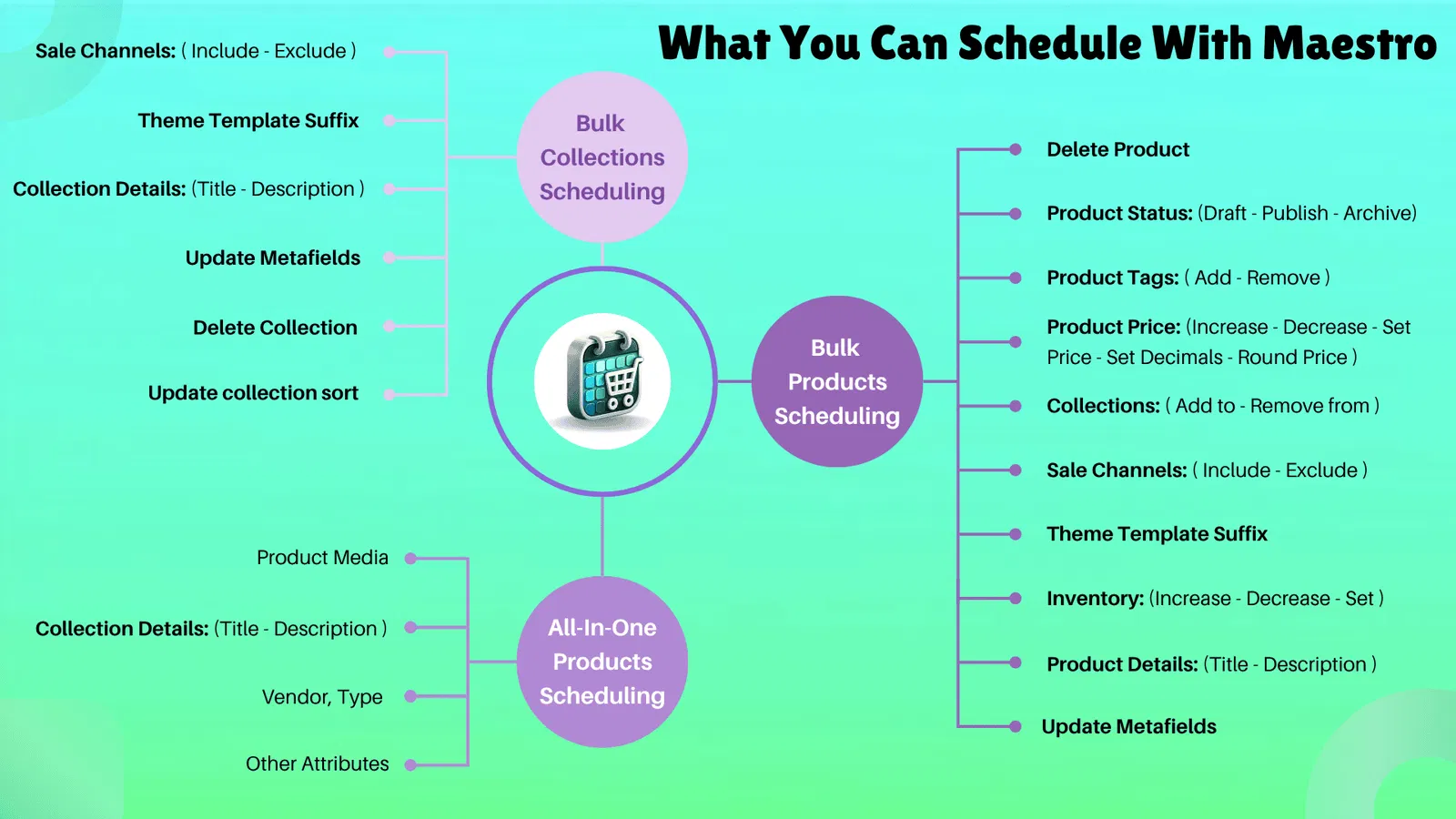
Global SEO also relies on "In Stock" signals. Nothing kills a search ranking faster than a page that consistently leads to an out-of-stock product. Using a tool like Product Maestro Scheduler, you can automate product status updates, pricing changes, and collection management across different regions. This prevents your global ads and search results from pointing to dead ends.
The Role of Trust and Post-Purchase in SEO
Google increasingly looks at "experience" signals to determine rankings. If your international customers are leaving negative reviews because of difficult return processes or lost packages, your search visibility will eventually suffer.
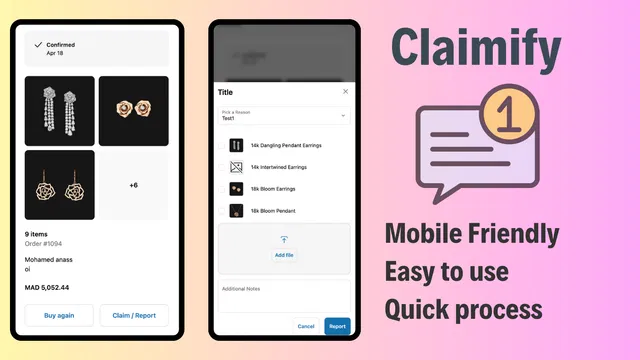
International shipping is complex, and claims are inevitable. To protect your brand's reputation and maintain high customer satisfaction scores, we recommend using Claimify. Claimify streamlines the claims management process, making it easy for global customers to report issues. A smooth resolution process turns a potentially negative review into a loyal customer, indirectly supporting your long-term SEO efforts.
Simple Steps to Audit Your Global SEO Today
If you suspect your Shopify Markets strategy is underperforming, follow these steps to identify the gaps.
- Check for "Noindex" Tags: Ensure you haven't accidentally hidden your regional subfolders from search engines.
- Verify Hreflang in Google Search Console: Check the "International Targeting" report to see if Google is flagging any errors.
- Analyze Traffic by Region: If you have high impressions but low click-through rates in a specific country, your metadata likely isn't localized enough.
- Test Your Page Speed: International users may experience slower load times if your site isn't optimized for a global CDN. Consult our Shopify speed optimization guide for help.
- Review B2B Capabilities: If you are selling to international wholesalers, ensure your Shopify B2B wholesale channel is properly indexed and separated from your D2C efforts.
Conclusion: Localization is a Requirement, Not an Option
Shopify Markets provides the skeleton for a global e-commerce business, but your SEO strategy is the muscle that makes it move. Relying on default settings and "copy-paste" content is a guaranteed way to lose visibility in the competitive global landscape.
By implementing a clear subfolder structure, prioritizing deep content localization, and using automation tools like Maestro Theme Scheduler to manage regional variations, you can ensure that your brand is visible and relevant to every customer, no matter where they are in the world.
Scaling globally is a vital step for any ambitious merchant, but it must be a proactive step. Don't wait for your rankings to drop before you take action.
If you are ready to refine your global strategy or need expert guidance on Shopify Plus features, our team is here to help. You can book a meeting with our consultants or contact us to discuss your specific growth goals.
