
As a Shopify expert, I often encounter high-volume merchants who are seeking more control over their storefront without the burden of manual, midnight deployments. For a brand operating at scale, the ability to pivot content, launch collections, and update promotional banners across multiple time zones is not just a convenience: it is a competitive necessity. When you are managing custom shopify themes and complex product catalogs, the risk of human error during a manual update can result in significant revenue loss and brand friction.
The modern e-commerce landscape demands agility. Whether it is a flash sale that must go live at exactly 12:00 AM or a seasonal shift in brand messaging, automation is the key to maintaining a high-performance store. In this guide, I will explore how Shopify Plus merchants can leverage advanced tools to automate storefront changes, ensuring a "set it and forget it" workflow that frees up your team for high-level strategy.
The Scaling Challenge: Why Manual Updates Fail
High-growth brands often reach a point where manual updates become a bottleneck. As your store grows, the complexity of your custom shopify themes increases, often involving hundreds of sections and blocks across various templates.
- Human Error Risks: Manually toggling visibility for banners or publishing new themes in the middle of the night increases the likelihood of broken layouts or incorrect pricing.
- Operational Inefficiency: Skilled developers and site managers should not spend their time on repetitive tasks that can be handled by software.
- Consistency Gaps: Ensuring that a promotion looks identical across all regional markets requires precise timing that manual intervention cannot guarantee.
- Late Night Deployments: Most major sales begin at midnight. Forcing a team to be online for every launch leads to burnout and decreased productivity during business hours.
To solve these issues, Shopify Plus development focuses heavily on creating systems that handle these transitions automatically.
Native Automation vs Granular Control
Shopify Plus offers native tools like Launchpad, which is an excellent starting point for scheduling major events. Launchpad allows you to schedule theme changes, publish products, and apply discounts at a fixed time. However, for many merchants, Launchpad can feel like a "sledgehammer" when they need a "scalpel."

While native tools excel at whole-store transitions, many merchants require granular control over specific sections and blocks. This is where the Maestro Theme Scheduler app fills the gap. Instead of swapping an entire theme, you can schedule the visibility of a single promotional banner or a specific product collection section.
Why Granular Automation Matters
- Precision: Toggle specific "Hero" sections for a 4-hour flash sale without affecting the rest of the page.
- Layered Campaigns: Run multiple overlapping promotions by scheduling different blocks to appear and disappear at different intervals.
- Resource Optimization: Avoid the need to duplicate entire themes just to change one line of text or one image.
Deep Dive into Maestro Theme Scheduler Features
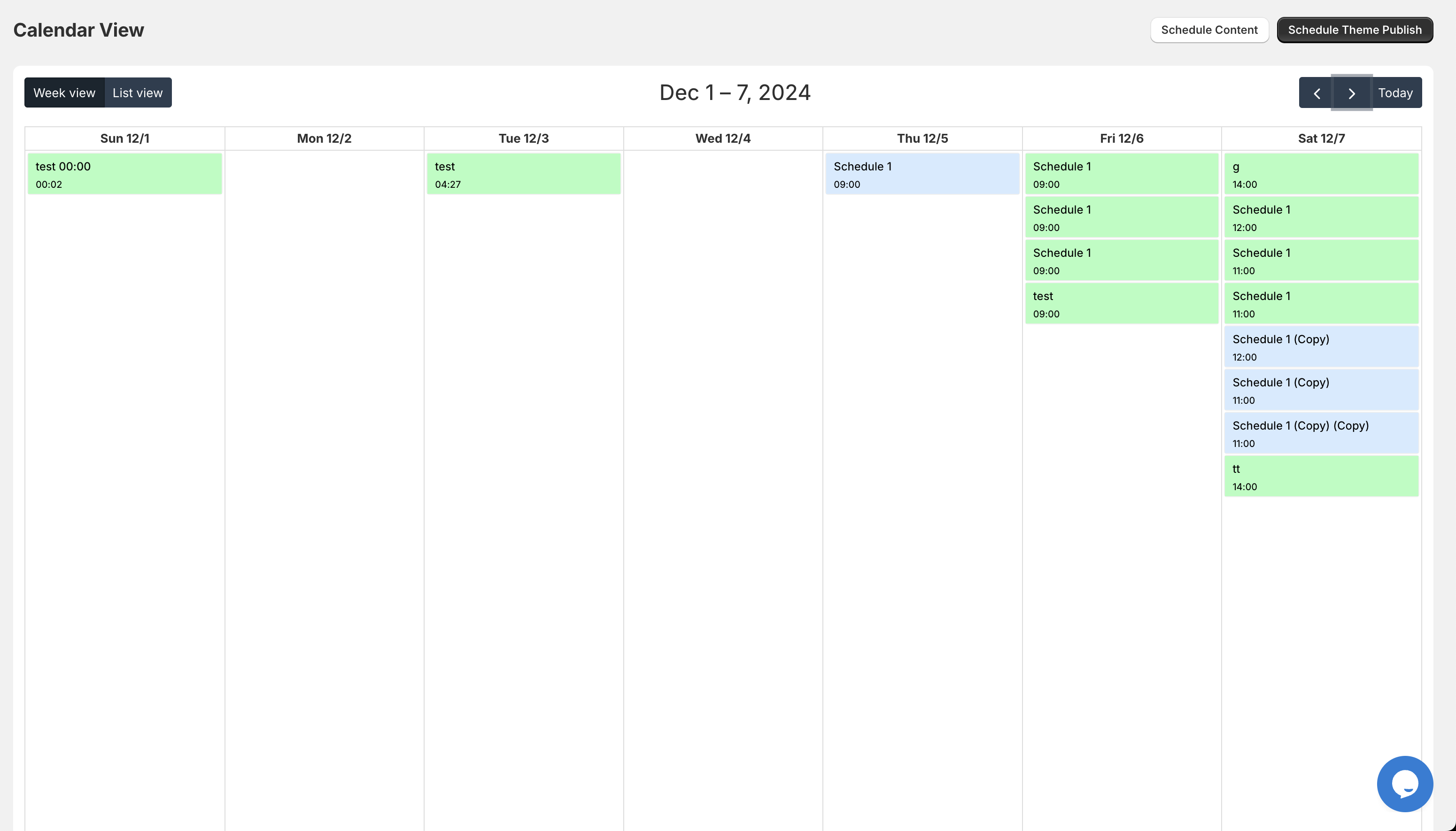
To achieve true automation at scale, you need a toolset that understands the structure of Shopify 2.0 themes. The Maestro Theme Scheduler is designed specifically for this purpose, providing a visual interface for managing complex timelines.

Key Capabilities for Automation
- Scheduled Theme Publishing: Prepare your next major site overhaul and set it to go live exactly when your marketing campaign hits.
- Section and Block Visibility: Automate when specific parts of a page are visible to customers. This is vital for "Deal of the Day" sections or limited-time offer countdowns.
- Recurring Schedules: Set up weekly "New Arrival" spotlights or weekend-only promotions that trigger automatically every week without manual input.
- Multi-Template Support: Coordinate changes across the Home page, Product pages, and Collection pages simultaneously from a single dashboard.
By utilizing these features, you effectively turn your store into a living, breathing entity that adapts to your marketing calendar. For more details on the technical setup, you can visit our deep dive on the Maestro Theme Scheduler.
Step-by-Step Strategy for Storefront Automation
Implementing automation requires a structured approach to ensure that your workflows are stable and effective. Here is the process we recommend at XCO Agency for our Shopify Plus clients.
Step 1: Audit Your Promotional Calendar
Review your upcoming sales, product launches, and seasonal changes. Identify the specific sections of your custom shopify themes that will need to change.
Step 2: Define Your "Triggers" and "Actions"
Decide what events will start an automation.
- Trigger: A specific date and time (e.g., Black Friday at midnight).
- Action: Publish a new theme or make a "Sale" banner visible.
Step 3: Configure Your Content in Drafts
Before scheduling, ensure that your content is perfectly styled. If you are adding a featured collection to your home page, verify that the products are ready and the layout is optimized. You can find guidance on this in our article on adding a featured collection to your home page shopify.
Step 4: Set the Schedule in Maestro
Navigate to the Maestro app interface.
- Select the theme or section you wish to automate.
- Input the start and end dates.
- Confirm the timezone alignment to match your primary customer base.
Step 5: Test and Monitor
Always use a preview link or a staging theme to verify how the automation will look. Once live, the app provides logs to confirm that the changes were executed successfully.
Real-World Use Cases for High-Volume Merchants
Automation is not just about saving time: it is about maximizing revenue opportunities. Here are a few ways Shopify Plus merchants use these tools to drive growth.
Black Friday and Cyber Monday (BFCM)
During the busiest shopping weekend of the year, timing is everything. Merchants use automation to:
- Switch to a high-conversion "Sale" theme at the stroke of midnight.
- Reveal "Door Buster" sections every three hours to keep customers coming back.
- Revert to the standard theme immediately when the sale ends to avoid honoring expired prices.
Global Seasonal Shifts
If you operate in multiple markets, your "Winter Collection" launch might happen at different times. Automation allows you to schedule these changes based on regional timezones, ensuring that your message is always relevant to the local shopper.
Flash Sales and Scarcity
Create urgency by scheduling a specific block that announces "Only 2 Hours Left." By automating this, you ensure the message disappears exactly when it should, maintaining your brand's authenticity and trust. If you are looking to further enhance your store's credibility, consider our tips on increasing brand authenticity by removing powered by shopify.

Maximizing Performance with Ecommerce Maintenance Services
While automation tools like Maestro handle the "when," a robust digital strategy requires attention to the "what." Professional ecommerce maintenance services ensure that your underlying theme code is optimized for these rapid changes.
- Optimization Audits: Before automating a massive sale, ensure your site speed and UX are peak. A boost in your store's UX and conversion rate ensures that the traffic driven by your automated promotions actually converts.
- Custom Development: Sometimes you need a specific type of block that does not exist in your current theme. Custom shopify themes often require bespoke section development to make the most of scheduling tools.
- Technical Integrity: Regular checks on your DNS, SSL, and third-party app integrations prevent "silent failures" where an automation triggers but the content fails to load correctly.
Conclusion: The Proactive Step Toward Scale
Automating your Shopify Plus storefront is no longer a luxury: it is a vital step for any merchant looking to scale without increasing operational overhead. By moving away from manual updates and embracing a "set it and forget it" mindset with tools like Maestro Theme Scheduler, you ensure that your store is always optimized, always current, and always ready to convert.
The peace of mind that comes with knowing your storefront will update perfectly while you sleep is invaluable. It allows your team to focus on what matters most: growing your brand and serving your customers.
If you are ready to take control of your store's schedule and eliminate the stress of manual deployments, now is the time to audit your workflows. Start small with a single scheduled banner, and soon you will be managing global, multi-layered campaigns with ease. For more insights into optimizing your Shopify experience, explore our full collection of Shopify guides.