
As a Shopify expert, I often see merchants and marketing managers staying up until the early hours of the morning just to click a "Publish" button. Whether it is a Black Friday launch, a seasonal collection drop, or a flash sale that starts at midnight, the traditional Shopify workflow demands manual intervention at precisely the wrong times. This manual bottleneck is more than just an inconvenience. It is a risk to your brand consistency and a drain on your internal resources.
In the fast paced world of e-commerce, being tethered to your laptop for routine site updates is a waste of your most valuable asset: time. High growth brands seeking to scale need systems that allow them to plan ahead and execute flawlessly without constant supervision. This is where the concept of a "set and forget" storefront strategy becomes a game changer for your operations.
The High Cost of Manual Storefront Management
Many merchants believe that manual updates are the only way to ensure quality control. However, the opposite is often true. When you rely on manual publishing, you introduce several points of failure that can impact your bottom line.
- Human Error During Peak Hours: Making changes to your theme under pressure at midnight increases the likelihood of broken links, missing banners, or incorrect pricing.
- Operational Inefficiency: Your team should be focused on growth strategies and customer acquisition, not the repetitive task of toggling section visibility or switching theme templates.
- Lack of Synchronization: Coordinating a storefront change with social media ads and email blasts is difficult when the site update depends on a manual click.
- Burnout: Constant "on call" requirements for site updates lead to developer and manager fatigue, which eventually affects the quality of your custom Shopify themes.
To stay competitive, especially when dealing with Shopify Plus development, you must move toward automation. Efficient store management requires moving away from reactive "firefighting" and moving toward proactive, scheduled execution.

Introducing the Maestro Theme Scheduler
The most effective "set and forget" hack for Shopify stores is the implementation of a dedicated scheduling engine. While Shopify offers some basic scheduling for products and blog posts, it has historically lacked granular control over the theme environment itself.
The Maestro Theme Scheduler app, developed by XCO Agency, fills this critical gap. It is designed specifically for merchants who need to automate the visibility of sections, blocks, and entire theme versions. By using this tool, you can transform your workflow from manual labor to strategic automation.
Why Merchants are Switching to Automated Scheduling
- Precision Timing: Ensure your promotional banners appear at exactly 12:00 AM and disappear the moment the sale ends.
- Campaign Preparedness: Build and preview your entire promotional storefront days or weeks in advance.
- Operational Freedom: Free up your developers and site managers to work on high impact projects instead of routine maintenance.
- Consistent Customer Experience: Maintain a professional look by ensuring seasonal content never lingers past its expiration date.
For brands utilizing ecommerce maintenance services, automation provides a layer of reliability that manual checks simply cannot match.
Deep Dive: Automated Theme Publishing
The core of the Maestro "set and forget" hack is the ability to schedule entire theme publishes. When you are working on a major site redesign or a massive seasonal overhaul, you often work in a duplicate "development" theme.
Traditionally, to go live, you have to manually go to your Shopify admin and click "Publish" on that theme. With Maestro, you can select the future date and time for this action.
The Benefits of Scheduled Publishing
- Launch While You Sleep: You can schedule a new theme to go live at midnight on a Friday without having to be awake to see it happen.
- Instant Rollbacks: You can schedule a "revert" theme to publish immediately after a sale ends, ensuring your store returns to its evergreen state automatically.
- Coordination with External Teams: If you are working with an agency for custom Shopify themes, they can prepare the theme and schedule the launch, providing a seamless transition for your internal team.
Granular Control: Section and Block Visibility
Sometimes you do not need to change your entire theme. You might only need to show a "Free Shipping" banner for 48 hours or swap a hero image for a weekend flash sale.
Maestro allows you to target specific sections and blocks within your live theme. This level of granularity is vital for merchants who want to maintain a dynamic storefront without the overhead of full theme management.
How to Use Granular Scheduling
- Timed Promotional Banners: Schedule a top bar announcement to appear only during your "Happy Hour" sales.
- Limited Time Collections: Show a specific collection grid on your homepage only for the duration of a product drop.
- Seasonal Styling: Automatically swap out your footer or header content to reflect holidays like Valentine's Day or Mother's Day.
By automating these small changes, you ensure your site always feels fresh and relevant to your visitors, which can significantly boost your growth strategies.
Scaling with Shopify Plus Development
For large scale enterprises, the complexity of managing multiple storefronts or international expansions is significant. Shopify Plus development often involves high stakes launches where every second of downtime or every visual glitch costs thousands of dollars.
Maestro provides the enterprise grade reliability needed for these environments. It supports recurring schedules, meaning if you have a "Weekly Deal" every Tuesday, you can set it once and let the app handle the visibility for the rest of the year.
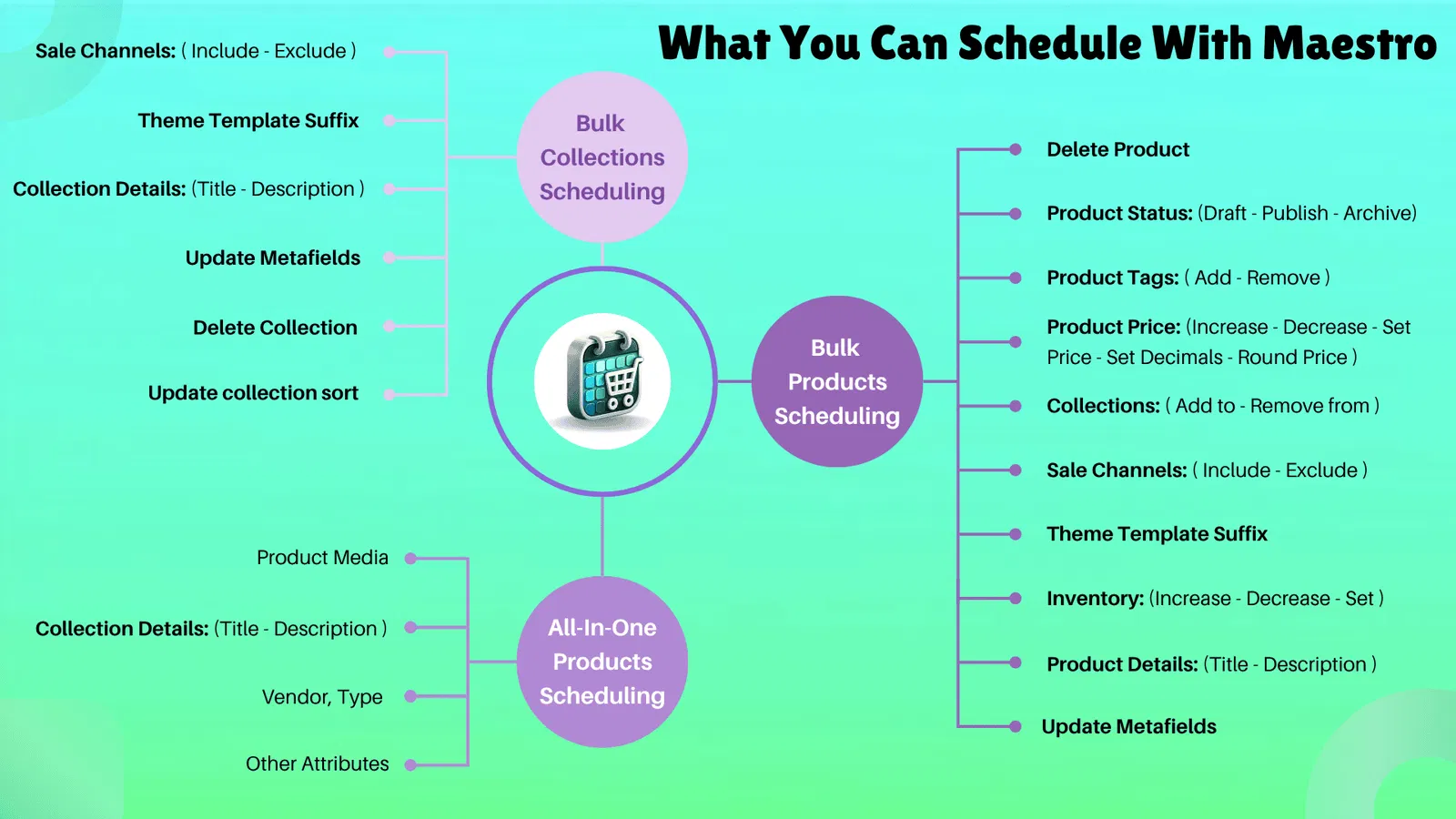
Step-by-Step Guide to Your First "Set and Forget" Campaign
Implementing this hack is straightforward. Here is how you can set up your first automated storefront change using Maestro.
Step 1: Install and Connect
Navigate to the Maestro Theme Scheduler page and install the app on your Shopify store. Once installed, the app will sync with your existing themes and templates.
Step 2: Select Your Target
Decide whether you want to schedule an entire theme publish or a specific section update. For most sales, scheduling a specific section (like a hero banner) is the most efficient method.
Step 3: Define the Timeline
Use the intuitive calendar interface to select your start date and time. Ensure you align the timezone with your primary customer base or your marketing headquarters.
Step 4: Configure Recurring Rules (Optional)
If this is a repeating event, such as a weekend sale, enable the recurring feature. This allows the section to toggle on and off automatically every week.
Step 5: Review and Save
Maestro provides a clear timeline of all upcoming actions. Double check your scheduled tasks to ensure there are no overlaps or conflicts.

Best Practices for Automated Storefronts
While automation reduces manual labor, it still requires a strategic approach. As a Shopify expert, I recommend the following best practices to ensure your "set and forget" hack remains successful:
- Always Preview Your Changes: Use the Shopify theme preview feature to ensure the content looks perfect before the scheduled time arrives.
- Monitor Your Performance: Use the automation as a baseline, then check your analytics (like conversion rate and bounce rate) to see if the scheduled changes are having the desired impact.
- Coordinate with Marketing: Ensure your email marketing and social media teams are aware of the exact timing of the automated changes so their campaigns align perfectly.
- Keep Your Themes Organized: Name your themes and sections clearly so that when you are selecting them in Maestro, there is no confusion about which asset is being published.
For those managing complex inventories or B2B channels, consider how these schedules impact your Shopify B2B wholesale channel visibility as well.
The Future of E-Commerce Maintenance
The move toward automated theme management is a vital step for any merchant looking to professionalize their operations. The days of manual midnight updates are numbered. By adopting tools like Maestro, you are not just saving time. You are building a more resilient, responsive, and profitable business.
At XCO Agency, we specialize in helping brands optimize their workflows through custom Shopify development and intelligent automation. Whether you are a boutique brand or a Shopify Plus powerhouse, reducing manual friction is the key to sustainable growth.

Conclusion
Stop letting manual site updates dictate your schedule. The "set and forget" hack provided by Maestro Theme Scheduler allows you to reclaim your time and ensure your storefront is always performing at its peak. By automating theme publishing and section visibility, you eliminate the risks of human error and the fatigue of manual maintenance.
If you are ready to streamline your store operations and experience the power of professional Shopify automation, now is the time to act. Explore the full capabilities of the Maestro Theme Scheduler today.
For personalized assistance with your store setup or to discuss how we can enhance your Shopify Plus development, feel free to book a meeting with our team or contact us directly. Let us help you put your storefront on autopilot so you can focus on what truly matters: growing your brand.