
As a Shopify expert, I often speak with high-growth merchants who feel paralyzed by the prospect of international expansion. The ambition to reach a global audience is usually there, but it is often overshadowed by the technical nightmare of managing multiple store instances, localized pricing, and cross-border compliance. For years, the standard solution was to create separate Shopify stores for each region, a strategy that inevitably led to fragmented data, tripled workloads, and inconsistent branding.
Shopify Markets changed that dynamic entirely. It is a centralized global commerce management tool that allows you to identify, set up, launch, and optimize your international markets from a single store. This guide will walk you through how to leverage Shopify Markets to scale your brand across borders without the operational friction that used to define global e-commerce.
Why High-Growth Merchants Are Seeking Shopify Markets
Before diving into the technical setup, it is vital to understand why this tool is a game changer for scaling businesses. Merchants are moving away from the "multiple store" model because they need a unified backend that provides a clear view of their global performance.
By centralizing your operations, you gain several strategic advantages:
- Operational Efficiency: Manage all your products, inventory, and orders from one dashboard instead of logging into five different stores.
- Brand Consistency: Ensure your brand voice and design remain unified across the world while still offering localized experiences.
- Reduced Overhead: Lower your app subscription costs and developer fees by maintaining a single codebase and one set of integrations.
- Data Integrity: Consolidate your customer data and sales analytics to make better informed decisions about where to invest your marketing budget.
The Core Pillars of Localized Global Sales
Successful global expansion is not just about shipping to a new country. It is about making the customer in that country feel like they are shopping at a local business. Shopify Markets facilitates this through several core features.
Localized Pricing and Currency
One of the biggest barriers to international conversion is seeing a price in a foreign currency. Shopify Markets allows you to automatically display prices in the customer local currency based on their geographic location.
Beyond mere conversion, high-growth merchants often need to implement market specific pricing. This means you can set different prices for the same product in the US versus the UK to account for different shipping costs, local competition, or market positioning. Shopify handles the heavy lifting by rounding prices to look natural (e.g., 29.00 EUR instead of 28.43 EUR), which significantly boosts buyer trust.
Duties and Import Taxes at Checkout
Surprise "hidden fees" at the doorstep are the fastest way to kill your brand reputation internationally. Shopify Markets allows you to calculate and collect duties and import taxes at checkout. This transparency ensures that the price the customer sees is the final price they pay. By providing a DDP (Delivered Duty Paid) experience, you eliminate the risk of packages being held at customs or customers refusing delivery due to unexpected costs.
Multilingual Storefronts
Language is the ultimate form of localization. Shopify Markets integrates with translation apps to display your store in the preferred language of your target audience. When a customer from Tokyo lands on your site, they should be greeted in Japanese, not English. This level of personalization is no longer a luxury; it is an expectation for brands operating on a global scale.
Synchronizing Global Operations with XCO Agency Tools
As your store expands into different time zones, manual updates become impossible. If you are launching a product at 9 AM in London, you do not want your team in Los Angeles to wake up at 1 AM to push the update. This is where strategic automation becomes essential.
Automated Theme and Content Scheduling
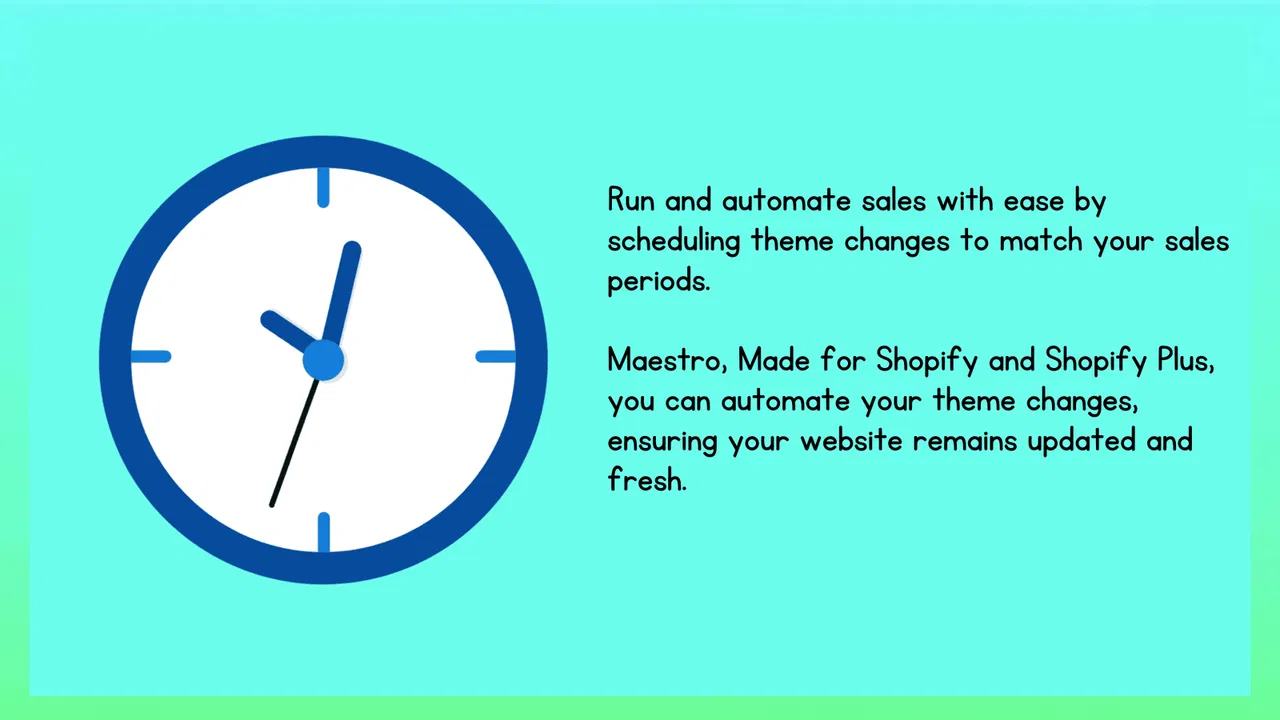
When managing multiple markets, your promotional banners and home page layouts often need to change based on regional holidays or sales events. I recommend using the Maestro Theme Scheduler to automate these transitions.
With this tool, you can schedule specific theme sections to appear or disappear at precise times. If you have a localized Lunar New Year promotion for your East Asian markets, you can set it to go live and expire automatically. This ensures your site is always relevant to the local context without requiring 24/7 manual monitoring.
Masterful Product Launches Across Borders
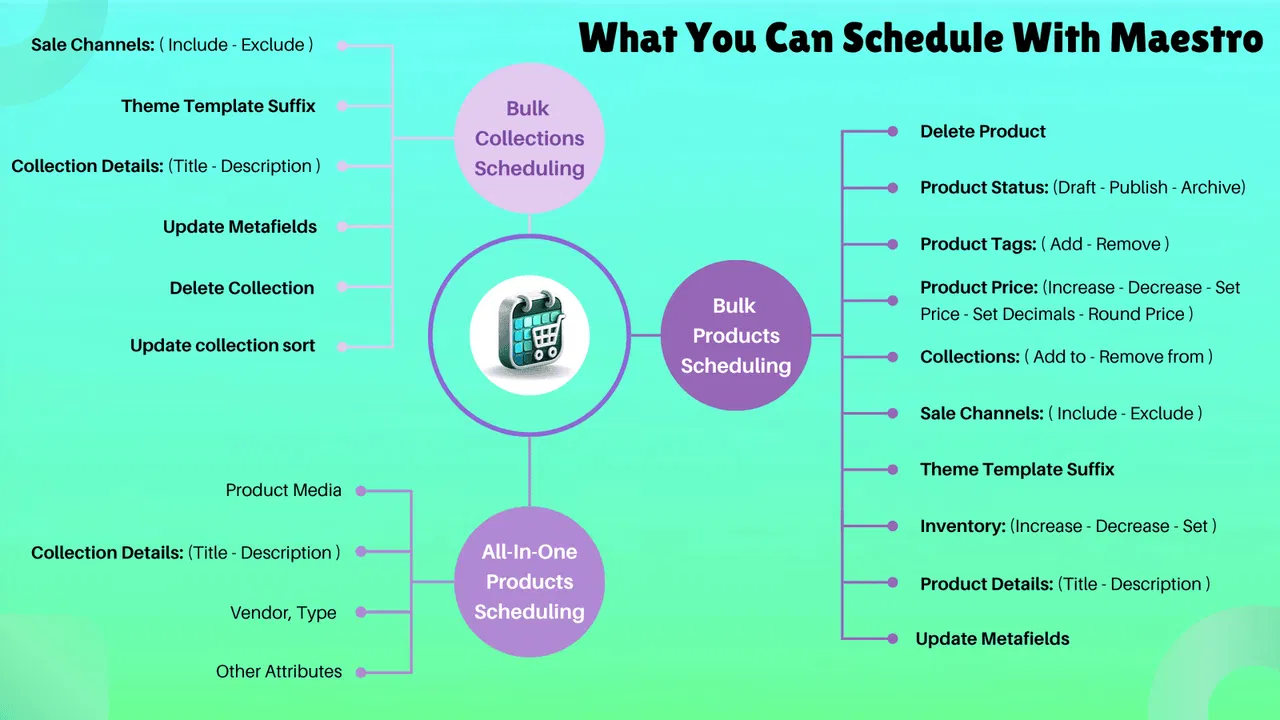
Product launches are high stakes events. When you use the Product Maestro Scheduler, you can automate the visibility and availability of products across different sales channels and markets.
Here are the benefits of using an automated scheduler for global sales:
- Simultaneous Launches: Ensure a product goes live at the exact same moment across all global time zones.
- Staggered Releases: Launch in your home market first and schedule the international rollout for a later date.
- Automated Tagging: Use automation to update tags or metafields that trigger market specific collections or shipping rules.
Step-by-Step Guide to Setting Up Your First Market
If you are ready to expand, Shopify makes the initial setup straightforward. Follow these steps to begin your journey.
- Navigate to Markets Settings: In your Shopify admin, go to Settings and then click on Markets.
- Add a New Market: Click on "Add market" and select the countries or regions you want to group together. For example, you might create a "European Union" market.
- Configure Languages and Domains: Decide if you want each market to have its own subfolder (e.g., store.com/en-gb) or a completely different domain. Ensure you have the necessary languages added to your store.
- Set Pricing Rules: Choose whether to use automatic exchange rate conversions or set manual price adjustments for the specific region.
- Review Shipping and Duties: Ensure your shipping zones are correctly mapped to your new market and enable duty collection if you are using Shopify Plus or a supported carrier.
- Activate and Preview: Use the "View as" feature to see exactly what a customer in that region will experience. Once satisfied, click Activate.
For complex setups involving custom storefronts or headless architectures like Hydrogen, I often suggest a site optimization audit to ensure your localization logic is firing correctly without slowing down your site.
Managing Global Post-Purchase Experiences
International sales do not end at the checkout button. High-growth merchants must have a robust plan for handling international returns and claims. Managing these manually across different countries is a recipe for logistical chaos.
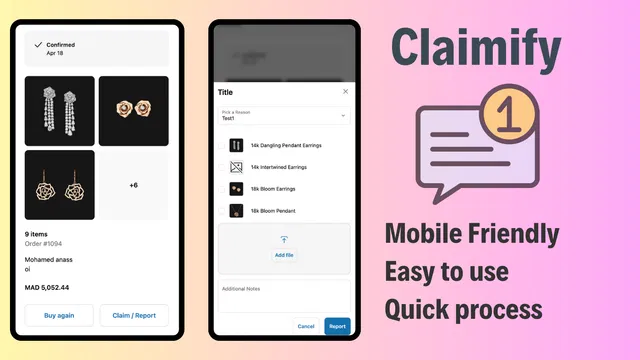
I frequently implement Claimify for our clients to streamline this process. Providing an easy, mobile friendly interface for customers to report issues or request returns is vital for maintaining high lifetime value (LTV) in foreign markets.
Advanced Strategies for Shopify Plus Merchants
If you are on Shopify Plus, you have access to even more powerful tools within the Markets ecosystem. This includes Checkout Extensibility, which allows you to customize the checkout experience for specific markets. You can add custom fields, localized trust badges, or market specific upsells that resonate better with different cultures.

Furthermore, Shopify Markets now supports B2B operations. This means you can manage your international wholesale business and direct to consumer sales from the same platform. You can create a specific "Market" for your B2B distributors in Germany, offering them different price lists, payment terms, and product catalogs while keeping your retail experience in that same country completely separate.
Final Thoughts on Global Growth
Mastering global sales is a journey of continuous optimization. While Shopify Markets provides the infrastructure, your success depends on how well you localize the experience and automate your workflows. By utilizing tools like the Maestro Theme Scheduler and Product Maestro Scheduler, you can focus on high level strategy while the technology handles the regional nuances.
Don't let the complexity of international commerce hold your brand back. Start by picking one high potential region, set up a dedicated market, and use the data to scale further. If you need expert guidance on setting up Shopify Markets or optimizing your global tech stack, the team at XCO Agency is here to help you navigate the process.
The world is a much smaller place when your e-commerce platform is built to handle it. Take the first proactive step toward global dominance today.