
As a Shopify expert, I often observe merchants spending hours every week manually dragging and dropping products within their collections. While manual merchandising allows for total control, it is a strategy that simply does not scale. For stores with hundreds or thousands of SKUs, keeping the most relevant, high margin, and in stock products at the top of the page is a Herculean task.
If you are seeking a way to reclaim your time while simultaneously increasing your conversion rate, automating your collection sorting is the most effective lever you can pull. This is where Rankify Smart Collections comes into play. By using data driven rules instead of manual intuition, you ensure that your store always puts its best foot forward.
In this guide, I will walk you through how to set up automated collection sorting in five minutes, allowing you to focus on high level strategy rather than tedious admin work.
Why Manual Merchandising is Costing You Sales
Before we dive into the setup, it is vital to understand why standard Shopify sorting often falls short for a growing brand. When you rely on the default options such as "Best Selling" or "Newest," you are using a blunt instrument for a delicate job.
Standard sorting lacks the nuance required for modern e-commerce. For instance, a "Best Selling" sort might keep a product at the top of your collection even if it only has one size left in stock. This leads to a poor user experience where customers click on a product only to find it is unavailable, which significantly increases your bounce rate.
By implementing advanced shopify collection management, you can avoid these common pitfalls:
- Out of stock frustration: Automatically push products with low inventory to the bottom of the page.
- Stale storefronts: Ensure that new arrivals are given priority without burying your consistent revenue generators.
- Margin neglect: Prioritize high margin items to ensure your marketing spend results in the highest possible return.
- Tag based organization: Sort products based on specific attributes like "Seasonal" or "Trending" without manual intervention.
The Power of Rankify Smart Collections
Rankify is designed to act as a digital merchandiser that never sleeps. It allows you to create weighted rule sets that determine exactly where a product should sit in a collection based on real time data. Whether you are focused on shopify store setup or optimizing an existing shopify plus development project, Rankify provides the flexibility that the native admin lacks.
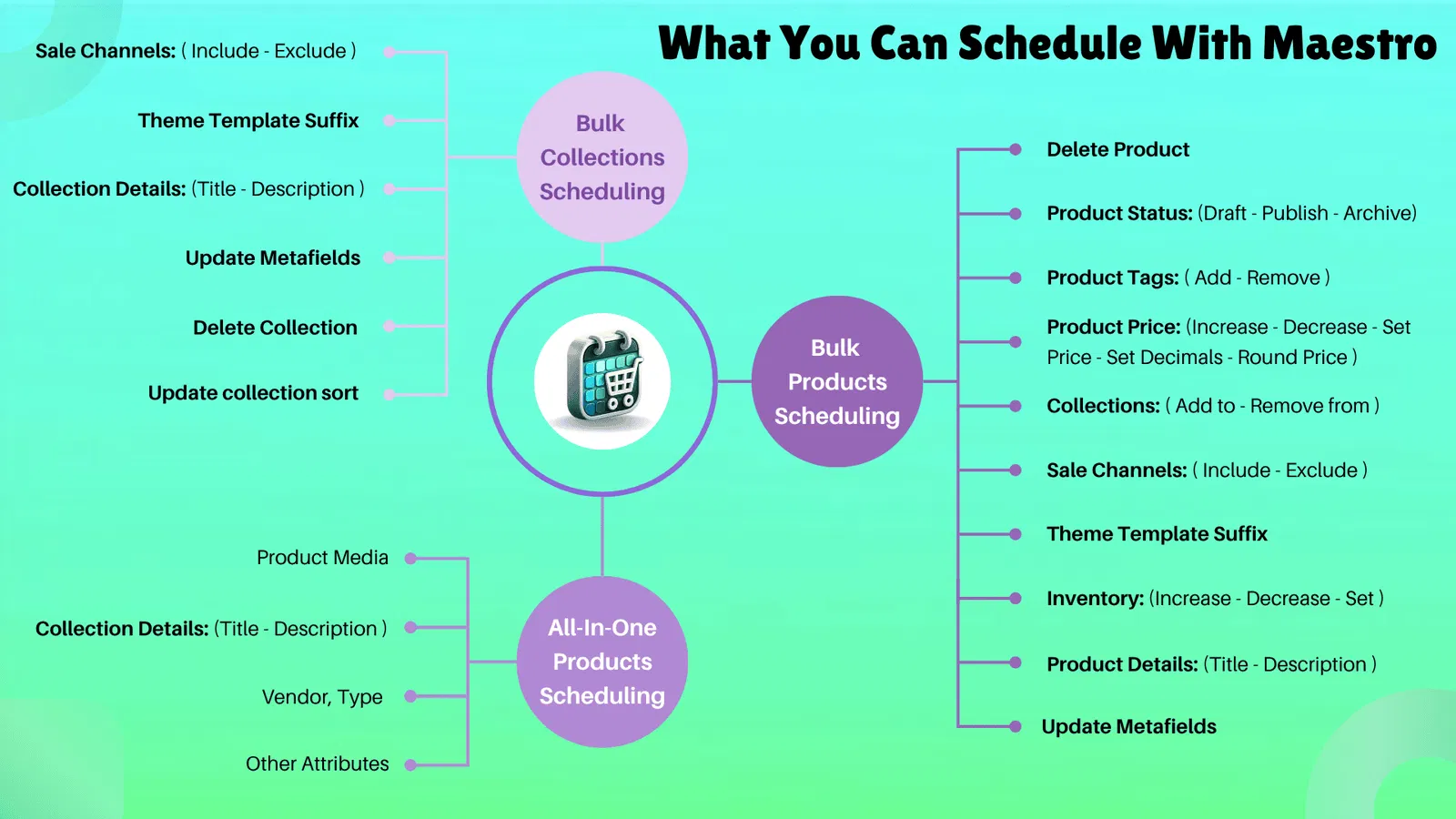
Here are the primary benefits of moving to an automated system:
- Weighted Logic: You can assign "points" to different attributes. For example, you might give 50 points to "High Sales Volume" and 30 points to "High Inventory Level."
- Real Time Updates: As soon as a product sells out or a new shipment arrives, the collection order updates automatically.
- Global Rule Sets: Create one master sorting rule and apply it to dozens of collections simultaneously.
- Custom Attribute Sorting: Use tags, product types, or even specific metafields to influence the sort order.
Step 1: Install and Connect Rankify
The first step in your five minute setup is to integrate Rankify with your Shopify admin. Once installed, the app syncs with your product catalog and existing collections. Unlike complex custom solutions, Rankify is built to work out of the box with custom shopify themes.
Navigate to the Shopify App Store, search for Rankify Smart Collections, and click "Install." Once you authorize the app, it will begin an initial sync of your data. This process is usually very fast, even for stores with large catalogs.
Step 2: Create Your First Sorting Rule Set
After the sync is complete, you will navigate to the "Rule Sets" tab. This is where the magic happens. A rule set is a collection of conditions that determine a product's rank.

To create an effective rule set, follow these instructions:
- Select "Create New Rule Set" and give it a descriptive name like "Standard Performance Sort."
- Add a "Sales" rule: Set this to look at the last 30 days of sales data. This ensures your current trending items stay visible.
- Add an "Inventory" rule: This is perhaps the most important step. Set a rule to "Push Out of Stock to Bottom." This ensures that any product with zero inventory is immediately moved to the end of the collection.
- Add a "Product Age" rule: If you want to keep your store looking fresh, give a slight boost to products created in the last 14 days.
- Assign Weights: Give your "Inventory" rule the highest weight to ensure you never promote products that cannot be purchased.
Step 3: Apply Rules to Your Collections
Once your rule set is defined, you need to tell Rankify which collections should follow these instructions. You can select individual collections or use bulk actions to apply the rules to your entire store.
As a proactive step, I recommend starting with your most visited collections, such as "New Arrivals" or "Best Sellers." By automating these first, you will see the most immediate impact on your conversion rate and user experience. If you are currently working on your shopify store setup, setting these rules now will save you hundreds of hours in the future.
Step 4: Schedule and Automate Syncing
Automation is only useful if it happens consistently. Within Rankify, you can set the frequency of your collection updates. For high traffic stores, you may want the collections to re-sort every hour. For smaller stores, a daily sync might be sufficient.

By scheduling these updates, you ensure that your custom shopify themes are always displaying the most optimized version of your catalog. This level of precision is a hallmark of professional shopify plus development and is now accessible to merchants of all sizes.
Advanced Strategies for Dynamic Merchandising
Once you have mastered the basic setup, you can begin to experiment with more advanced merchandising tactics. The beauty of weighted rule sets is that they can be as simple or as complex as your business requires.
Boosting High Margin Items
If you have specific products that yield a higher profit margin, you can add a tag to those products in Shopify (e.g., "high-margin"). In Rankify, create a rule that gives a points boost to any product containing that tag. This subtly nudges customers toward the products that are best for your bottom line.
Seasonal Tagging and Sorting
During holiday periods, you can use automated sorting to prioritize seasonal items. By adding a "Holiday" tag to relevant products and adjusting your Rankify rule set to prioritize that tag, you can transform your entire store's merchandising in seconds without manually touching a single collection.
Dealing with "New" but "Out of Stock"
One common issue is when a new product launch sells out instantly. Normally, "Newest" sorting would keep that sold out item at the top. With Rankify, your inventory rule will override the product age rule, moving the sold out item down and allowing the next newest in stock item to take the spotlight.

Enhancing User Experience Through Automation
Automated sorting is not just about internal efficiency; it is about the customer. When a shopper lands on your site, they likely have a short attention span. If the first row of products they see are irrelevant or unavailable, they will leave.
By using Rankify, you are essentially performing a continuous optimization audit on your collection pages. You are ensuring that every time a page loads, the products shown are the ones most likely to result in a successful checkout.
This level of detail extends to other areas of store usability. For example, just as you would add a favicon or set up a custom font to improve brand perception, automated sorting improves the functional reliability of your store.
Conclusion: A Vital Step for Scalable Growth
Automating your Shopify collection sorting with Rankify is a vital step for any merchant looking to scale. It bridges the gap between manual merchandising and pure algorithmic sorting, giving you the best of both worlds: expert control and automated precision.
In just five minutes, you can move away from the frustration of manual dragging and toward a data driven strategy that boosts conversion, optimizes inventory, and saves your team hours of work. Whether you are just beginning your shopify store setup or managing a complex shopify plus development environment, Rankify provides the tools necessary to stay competitive in a crowded market.
After completing the setup, you will likely find that your collection pages are more engaging, your "add to cart" rates are higher, and your bounce rates are lower. It is a simple change that yields significant results.
If you are looking to further optimize your store performance or need assistance with advanced Shopify features, our team at XCO Agency is ready to help. From theme customization to full scale digital marketing strategies, we specialize in helping Shopify merchants achieve their full potential. Explore our blog for more Shopify tips or reach out to us today to see how we can power up your e-commerce operations.