
As a Shopify expert, I often encounter merchants who are essentially prisoners of their own success. They have built a thriving brand, but their reward is a never ending cycle of manual labor. I often work with store owners who find themselves logging in at 11:59 PM on a Sunday just to flip a product from draft to active or to update sale prices for a Monday morning promotion.
If you are seeking a way to reclaim your weekends while maintaining a high performance store, you have come to the right place. Catalog management should not be a full time job. Whether you are dealing with a complex Shopify store setup or looking for ways to streamline your ecommerce maintenance services, automation is the only way to scale without burning out.
In this guide, I will show you how to use the Product Scheduler by Maestro app to automate your entire catalog workflow. Here are the primary reasons why you need to stop doing this manually:
- It eliminates human error during high stakes launches.
- It ensures your pricing is consistent and professional across hundreds of items.
- It improves your conversion rate optimization by keeping your collections fresh and relevant.
- It allows you to plan your entire marketing calendar weeks in advance.
The Midnight Merchant Syndrome: Why Manual Updates are Killing Your Growth
Before we dive into the how, let's talk about the why. Manual catalog management is not just tedious: it is expensive. When you or your team spend hours manually tagging products or moving items in and out of collections, you are not focused on growth strategies or customer acquisition.
Every manual click is an opportunity for a mistake. You forget to remove a sale tag, or you leave a product active when it should have been hidden. These small errors erode customer trust and hurt your brand. By implementing smart automation, you transform your store from a reactive environment into a proactive sales machine.
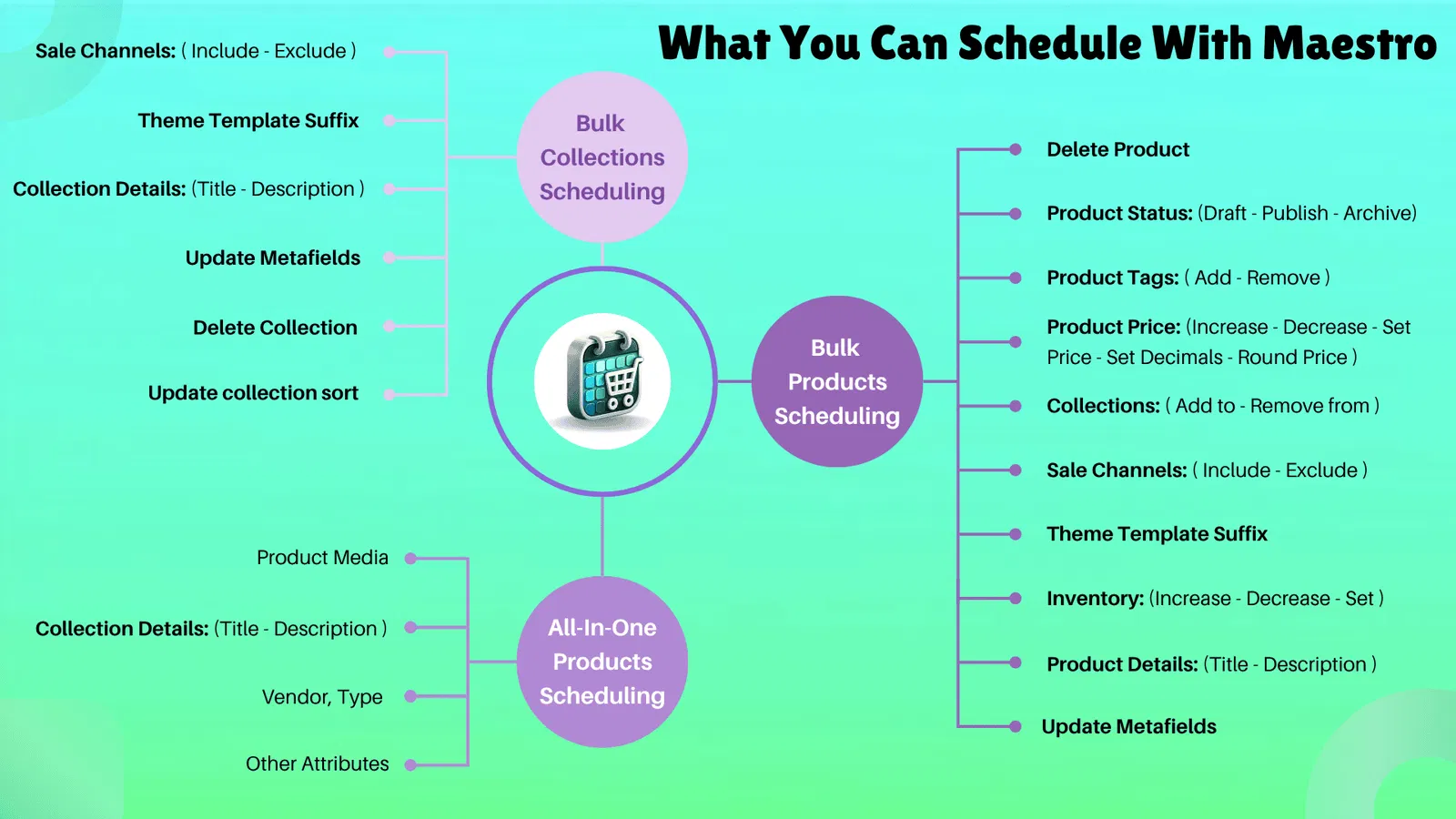
Step 1: Using the Draft Helper for Seamless Product Launches
The most common point of friction for any merchant is the product launch. You have the inventory, you have the photos, and you have the marketing ready to go. However, Shopify does not natively make it easy to schedule a complex launch that involves more than just one or two items.
The Draft Helper feature in the Maestro app is designed to solve this exact problem. Instead of hovering over the publish button, you can schedule the exact moment a product goes live.
How to set up your first automated launch:
- Navigate to the Maestro app within your Shopify admin.
- Select the Draft Helper tool to identify all products currently in draft status.
- Choose the specific products you want to include in your upcoming drop.
- Set the start date and time for the products to transition from draft to active.
- Ensure you also set a kill switch or an end date if the product is a limited time offer.
By using this feature, you can plan your drops a month in advance. This is a vital step for brands that thrive on "hype" marketing. You can focus on your social media engagement while the app handles the technical heavy lifting of the Shopify store setup.
Step 2: Automated Tag Management for Seasonal Sales
Tags are the invisible engine of your Shopify store. They control everything from your navigation filters to your automated collections. However, managing them manually during a seasonal sale is a nightmare.
As a Shopify expert, I always emphasize that conversion rate optimization depends heavily on how easily customers can find what they are looking for. If your Summer Sale tag is still active in October, your store looks neglected.
Streamlining your sale tags:
- Bulk Addition: Schedule a specific time for sale tags to be added to entire collections.
- Bulk Removal: Automatically strip tags once a promotion ends to keep your filters clean.
- Strategic Sorting: Use tags to trigger specific badges or ribbons on your product images.
This level of automation ensures that your store always reflects your current marketing efforts without you needing to touch a single CSV file.

Step 3: Scheduling Price Changes and Rounding Rules
Pricing is a psychological game. If you are running a 20 percent off sale, your prices might end up as messy numbers like 14.37. This looks unprofessional and can actually hurt your conversion rates.
The Maestro app allows you to schedule price changes while simultaneously applying rounding rules. This means you can drop your prices for Black Friday and ensure every single item ends in .99 or .00 automatically.
Setting up price automation:
- Select the products or collections that will be part of the price adjustment.
- Choose your discount type: whether it is a percentage or a fixed amount.
- Apply rounding rules to ensure all prices remain clean and on brand.
- Schedule the revert action so your prices go back to normal the second the sale ends.
This hands off approach to pricing is one of the most significant ecommerce maintenance services you can provide for your own business. It prevents the dreaded "post sale cleanup" that usually takes an entire Monday to finish.
Step 4: Inventory Automation and Restock Visibility
Nothing kills a customer's excitement faster than clicking on a product only to find it is out of stock. Conversely, having a "Sold Out" item sitting at the top of your collection page is a missed opportunity for a sale.
Automating your inventory visibility is a key component of effective growth strategies. You want your store to look full, but you also want it to be functional.
Managing restocks like a pro:
- Automated Sorting: Set rules to move out of stock items to the bottom of the collection automatically.
- Restock Notifications: Schedule products to become visible again the moment your warehouse updates the inventory levels.
- Status Changes: Automatically change a product status to "Archived" if it has been out of stock for a set period, keeping your Shopify speed optimization in check by reducing unnecessary catalog bloat.

Step 5: Collection Visibility and Sorting
Your homepage and collection pages are your digital storefront windows. In a physical store, you wouldn't leave a heavy winter coat display up during a heatwave. Your digital store should be just as dynamic.
With the Product Scheduler, you can manage collection visibility on a granular level. This means you can schedule an entire "Holiday Gift Guide" collection to appear on November 1st and disappear on December 26th.
Professional merchandising tactics:
- Timed Visibility: Hide or show collections based on specific marketing windows.
- Sort Order Automation: Change the way products are sorted within a collection during a sale (e.g., sort by "highest discount" first).
- Template Suffix Changes: Schedule a change in the theme template for a product page to show a more festive layout during the holidays.
If you are looking for more advanced customization, you might want to explore Shopify design services to create unique templates that the Maestro app can then toggle on and off for you.
Why XCO Agency Recommends Maestro for Shopify Plus
For high volume merchants, especially those on Shopify Plus, the stakes are higher. A broken link or a wrong price during a flash sale can mean thousands of dollars in lost revenue. We often recommend the Maestro Theme Scheduler because it provides a layer of safety and professional control that the native Shopify admin lacks.
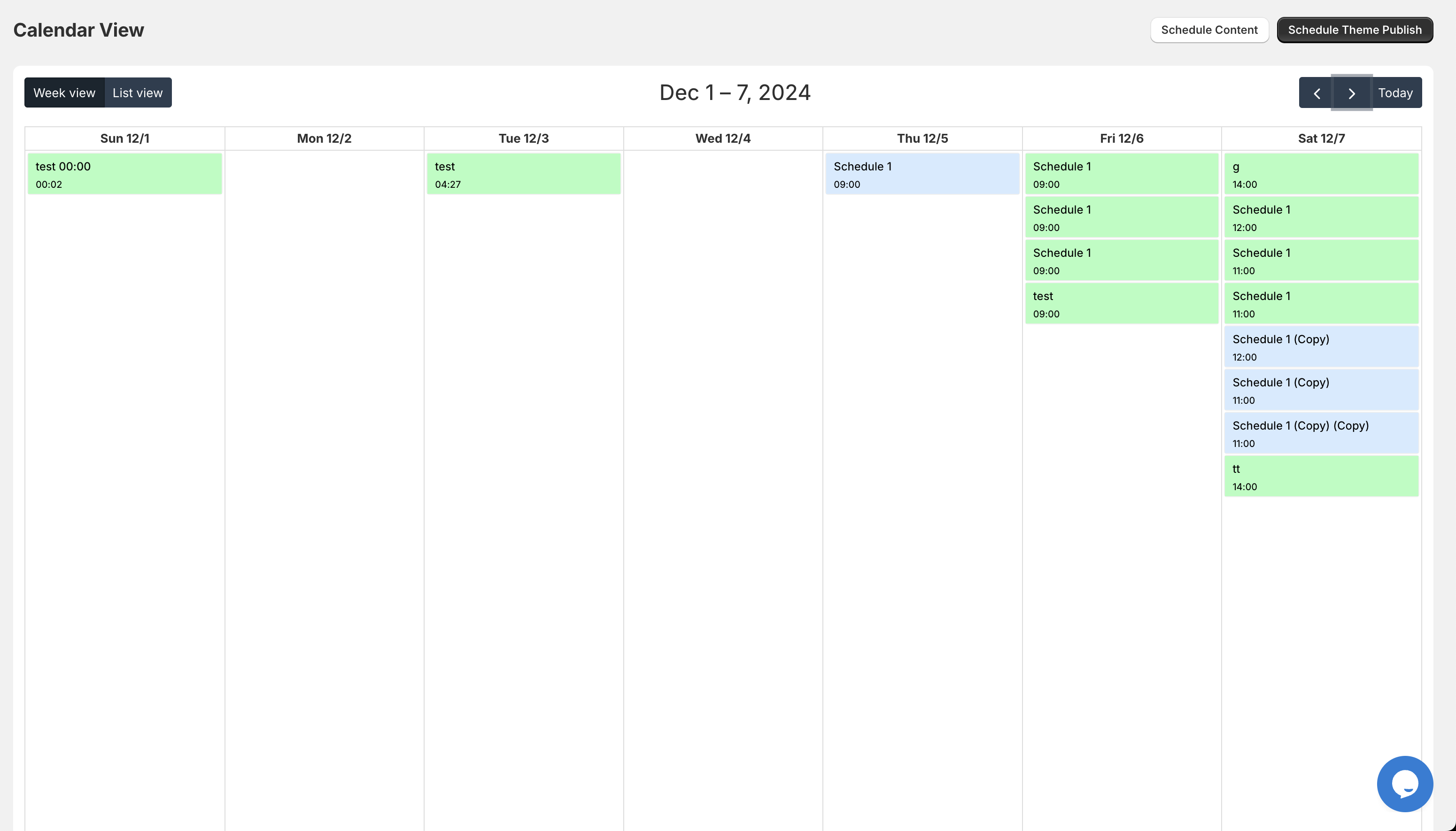
The ability to see a timeline of all upcoming changes gives you peace of mind. You can review your entire week's worth of updates in a single view, ensuring that everything from your Shopify integrations to your front end display is perfectly synced.
A Proactive Step Toward E-commerce Freedom
Automating your Shopify catalog is not just about saving five minutes here and there. It is about changing your relationship with your business. When you move away from manual updates, you reduce stress, eliminate errors, and create a more professional shopping experience for your customers.
By leveraging the Draft Helper, automated tag management, and smart pricing rules, you are essentially hiring a digital assistant that never sleeps and never makes a typo. This is a vital step for any merchant who is serious about scaling.
If you are ready to stop being the "Midnight Merchant" and start being the CEO of a truly automated store, it is time to give the Product Scheduler by Maestro a try. For more information on how we can help you optimize your store, feel free to contact us or book a meeting with our team. We specialize in helping brands transition from manual struggle to automated success.
Remember: the goal of technology is to give you your time back. Use it. Take that weekend off. Your store will be just fine without you.