
As a Shopify expert, I often work with high-growth merchants who feel paralyzed by the complexity of going global. For years, the standard approach to international e-commerce involved managing a fragmented web of "expansion stores." You would have one store for the US, another for the UK, and perhaps a third for the EU. While this offered local control, it created a massive operational burden. Inventory was split, apps had to be paid for multiple times, and reporting was a nightmare.
Shopify Markets has fundamentally shifted this paradigm. It allows brands to scale across borders from a single, unified store, eliminating the friction that traditionally kills international growth. Merchants are no longer seeking just a way to sell abroad; they are seeking a way to do it efficiently without doubling their headcount.
By utilizing Shopify Markets, you can expect several key benefits:
- Centralized Control: Manage all regional settings, from currency to duties, within one admin dashboard.
- Reduced Overhead: Stop paying for duplicate app subscriptions and themes for every new territory.
- Faster Speed-to-Market: Test demand in a new country in minutes rather than weeks.
- Improved SEO Performance: Automatically handle complex hreflang tags and localized domains to rank higher in regional searches.
Centralizing the Chaos: One Dashboard to Rule Them All
The primary reason Shopify Markets is a game-changer is the consolidation of operations. In the past, if you wanted to change a product description for your French customers, you had to log into a separate store and manually update it. With Shopify Markets, you manage everything from your primary admin.
This centralized approach means your inventory remains in a single pool. When a customer in Germany buys a shirt, it deducts from the same stock as a customer in New York. You no longer need to worry about over-selling or balancing inventory levels across multiple expansion stores. This efficiency is a vital step for any merchant looking to maintain lean operations while expanding their footprint.
If you are currently struggling with a complex multi-store setup, you might consider migration to Shopify or a consolidation project to bring everything under the Markets umbrella.
The Core Pillars of Localized Conversion
Selling internationally is not just about shipping packages across an ocean. It is about creating a "native" experience that builds trust. If a customer in Japan lands on your site and sees prices in USD or faces unexpected customs fees at checkout, they will likely abandon their cart.
Multi-Currency and Local Pricing
Shopify Markets allows you to present prices in over 130 local currencies. This is not just a simple conversion; you can set specific price adjustments for different markets. For example, if your shipping costs to Australia are higher, you can increase your product prices by 10 percent specifically for that market to protect your margins.
Automated Language Translation and SEO
Localized content is essential for conversion. Shopify Markets integrates with translation apps to offer a seamless multilingual experience. More importantly, it handles the technical SEO side of internationalization. It automatically adds hreflang tags to your site. These tags tell search engines like Google which version of the site to show based on the user's location. This ensures that a user in Paris finds your French-language pages rather than the English version.
Testing New Markets with Surgical Precision
One of the greatest risks in international expansion is the "all-in" trap. Historically, launching in a new country required a significant investment in localization and infrastructure. Shopify Markets allows for rapid market testing and validation.
If you suspect there is demand for your products in Scandinavia, you do not need to build a new store. You can simply create a "Northern Europe" market within your dashboard, enable local currency, and start running targeted ads. If the data shows a high conversion rate, you can then invest more in professional translation and local fulfillment. If the market underperforms, you can disable it with a single click. This low-risk approach allows brands to be more aggressive and experimental with their global strategy.

Automating Global Operations with Maestro
As you scale into multiple time zones, managing your storefront becomes a 24-hour job. If you are running a flash sale that starts at 9:00 AM in London and 9:00 AM in New York, you cannot manually update your theme at both times. This is where XCO Agency’s expertise in automation becomes essential.
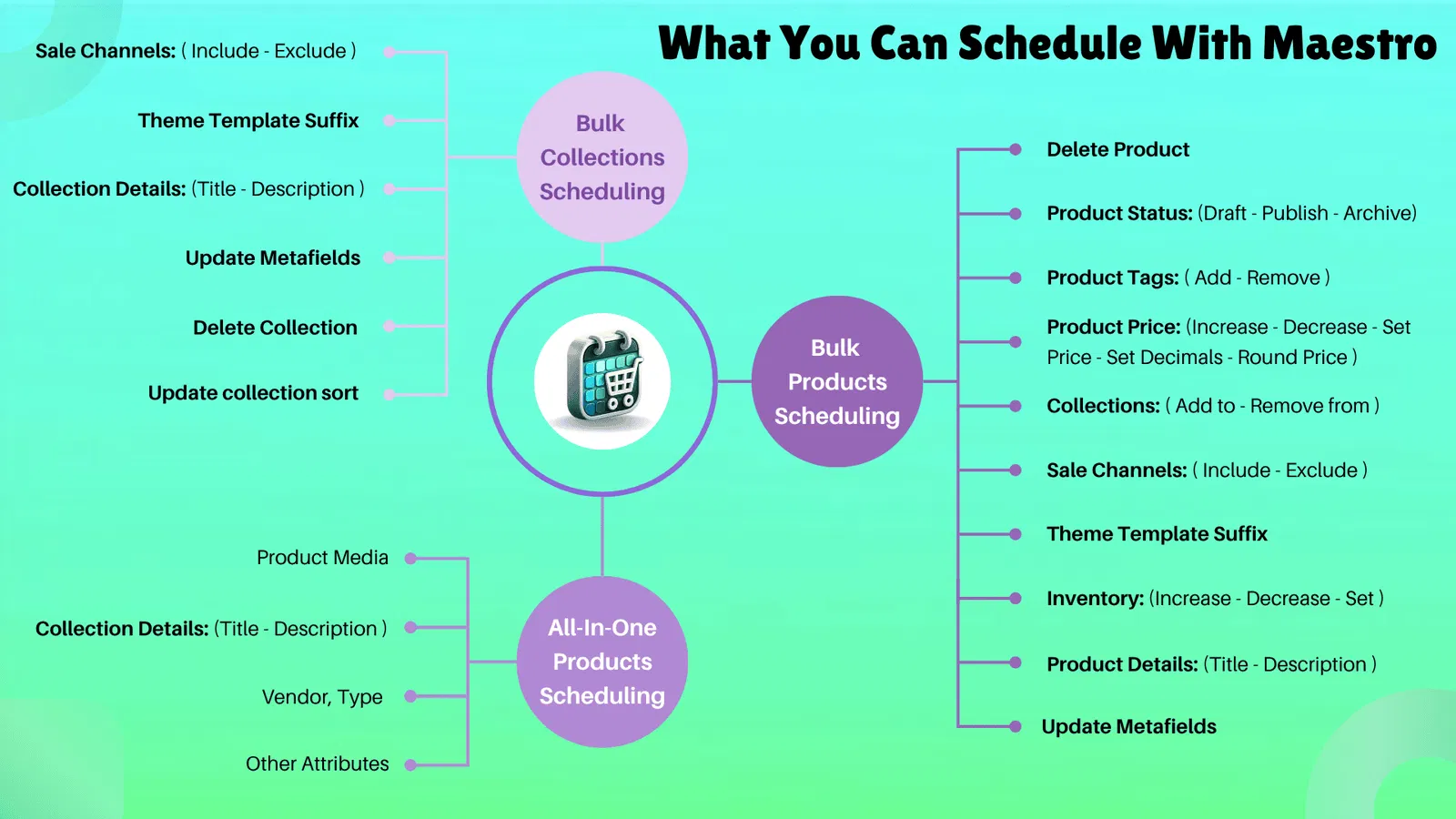
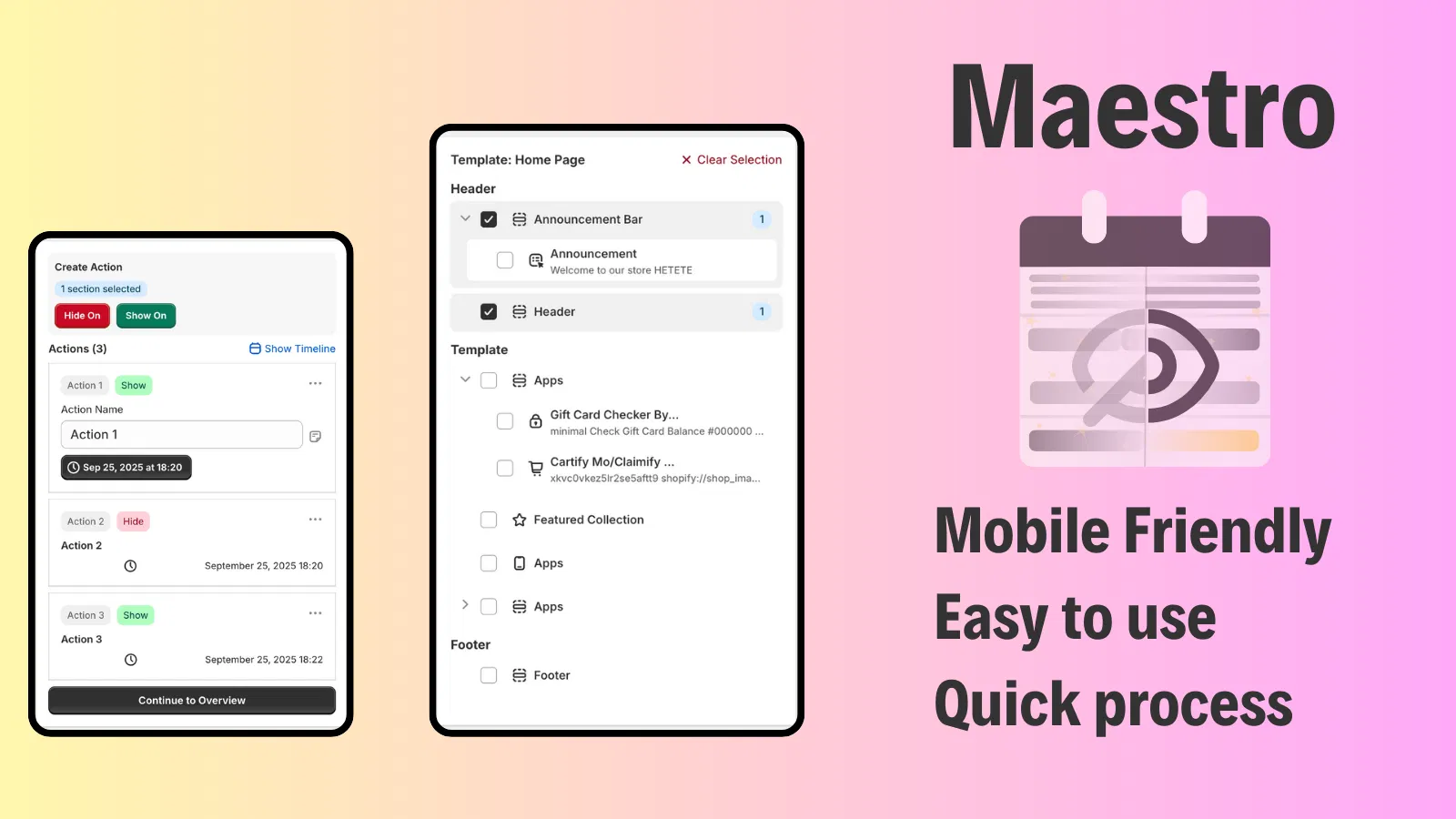
To manage these regional differences effectively, we recommend using tools like Maestro Theme Scheduler. This app allows you to schedule specific theme sections or blocks to appear and disappear at predetermined times.
Here are simple steps to optimize your regional campaigns:
- Identify Regional Holidays: Note down specific sales dates like Singles' Day in China or Boxing Day in the UK.
- Create Market-Specific Sections: Design banners and promotional content tailored to these local events.
- Schedule with Maestro: Use the scheduler to ensure the content goes live exactly when the local market wakes up, without requiring your team to be online at midnight.
- Automate Product Launches: Use the Product Maestro Scheduler to sync product availability with your regional marketing pushes.
This level of automation ensures that your international customers receive a curated, timely experience that feels local, regardless of where your headquarters is located.
Streamlining Post-Purchase Trust with Claimify
Scaling internationally often leads to an increase in support requests and shipping issues. Long-distance logistics are inherently more complex, and items are more likely to be damaged or delayed. If your claims process is difficult, international customers will not return.
We integrate Claimify into our clients' stores to handle this exact problem. Claimify provides a mobile-friendly interface where customers can quickly report issues, upload photos of damaged goods, and request replacements. By making the post-purchase experience professional and easy, you build the trust necessary for long-term global growth.

Choosing Between Shopify Markets and Managed Markets
For many merchants, the biggest barrier to international sales is the legal and logistical headache of taxes, duties, and compliance. Shopify offers two levels of service to address this:
- Shopify Markets: This is the standard toolset included with most Shopify plans. It gives you the "front-end" tools to localize currency, language, and domains. However, you are still the "Merchant of Record," meaning you are responsible for collecting and remitting taxes and complying with local laws.
- Shopify Managed Markets: This is an add-on service where Shopify (through a partnership with Global-e) acts as the Merchant of Record. They take on the legal liability for international taxes and compliance. They also provide guaranteed DDP (Delivered Duty Paid) shipping, which means customers will never be hit with unexpected "surprise" fees at their door.
For brands ready to scale rapidly without hiring a global tax team, Managed Markets is a proactive step that removes the most common bottlenecks to expansion.
When to Consider Expansion Stores
While Shopify Markets is revolutionary, there is still a place for separate expansion stores. As a general rule, once a specific international market accounts for 20 to 30 percent of your total revenue, you may find the limitations of a single-store setup.
High-volume regional operations often require:
- Deeply Customized Content: When a market is large enough to warrant a completely unique brand strategy or product catalog that differs significantly from your home market.
- Complex Fulfillment: If you have multiple local warehouses with complex logic that surpasses standard Shopify setups.
- Advanced B2B Requirements: If you are running a heavy wholesale operation in a specific region, you might benefit from the Shopify B2B wholesale channel on a dedicated store.
However, for 90 percent of merchants, Shopify Markets provides more than enough power to reach a global audience with minimal friction.
Conclusion: The Path Forward for Global Brands
The days of needing a massive team and a multi-million dollar budget to sell globally are over. Shopify Markets has democratized international commerce by centralizing operations, automating localization, and simplifying the complexities of global trade.
By leveraging these tools alongside strategic automation like Maestro, you can provide a world-class shopping experience to customers in every corner of the globe. You no longer have to choose between operational efficiency and a localized customer experience; you can have both.
If you are ready to stop managing spreadsheets and start scaling your brand internationally, book a meeting with us today. Our team at XCO Agency specializes in helping Shopify Plus merchants optimize their global footprint through advanced growth strategies and custom development. Taking this vital step now will position your brand for sustainable growth in the years to come.