
As a Shopify expert, I often work with high-growth merchants who feel stuck at the borders of their primary market. For years, scaling internationally meant managing a messy web of expansion stores, fragmented inventory, and inconsistent customer experiences. As we move into 2026, those barriers have effectively dissolved.
The evolution of Shopify Markets has fundamentally shifted the commerce landscape. It is no longer just a feature for currency conversion; it is a comprehensive infrastructure for global dominance. Whether you are targeting the surging e-commerce growth in Southeast Asia or navigating the complex regulatory environment of the European Union, Shopify Markets provides the toolkit to scale without the traditional operational overhead.
The Problem with Traditional International Expansion
Before the full maturity of Shopify Markets, merchants seeking to scale globally faced three significant hurdles that often stalled growth:
- Operational Fragmentation: Managing separate expansion stores for the UK, EU, and Australia meant duplicating every theme change, product upload, and app configuration.
- Compliance Complexity: Handling VAT, local taxes, and import duties required a small army of accountants and custom legal integrations.
- Friction in Customer Trust: International shoppers often abandoned carts because they couldn't see total costs upfront or pay with their preferred local methods.
Here at XCO Agency, we specialize in helping brands overcome these friction points. By leveraging the latest platform updates, we help you transition from a "one store fits all" mindset to a localized powerhouse strategy.
Unified Management Architecture
The most significant change in 2026 is the consolidation of global operations. Instead of jumping between multiple Shopify dashboards, you now manage your entire global presence from a single location. This unified architecture allows for a "centralized command" approach while maintaining "localized execution."
Centralized Inventory and Data
When you scale through Shopify Markets, your inventory remains synced across every region you serve. You no longer need to worry about overselling in France because a shipment was allocated to a separate German store.
Seamless Theme Localization
With a single store setup, you can customize the storefront experience for specific regions without maintaining multiple codebases. This is where strategic automation becomes vital. For instance, if you are running a region-specific promotion for Lunar New Year in your Asian markets, you don't want that banner appearing for your US customers.
By using tools like Maestro Theme Scheduler, you can automate these regional theme adjustments. You can schedule specific sections or blocks to appear and disappear based on local time zones, ensuring your global audience always sees the most relevant content.
Automated Compliance with Managed Markets
For many merchants, the fear of international shipping and taxes is the biggest deterrent to growth. Shopify Managed Markets (formerly Markets Pro) addresses this by acting as the Merchant of Record.
Why the Merchant of Record Model Wins
- Tax and Duty Automation: Shopify automatically calculates and collects duties and import taxes at checkout, ensuring no "surprise" fees for the customer at the door.
- Fraud Protection: The platform assumes the risk for international fraud, protecting your bottom line as you enter unfamiliar territories.
- Simplified Shipping: Access to pre-negotiated international shipping rates and automated customs documentation generation.
By removing these administrative burdens, your team can focus on what actually drives revenue: product development and growth strategies.
Localizing the Customer Experience for 2026
Localization is not just about translation. In 2026, global customers expect a shopping experience that feels native to their home country. If your store feels like a "translated version" of a US site, your conversion rates will suffer.
Dynamic Pricing and Local Currencies
Shopify Markets allows you to set specific price lists for different regions. You can account for different shipping costs, market demand, or local competition by adjusting prices by a percentage or setting fixed prices for key products.
Regional Payment Methods
While credit cards are standard in some regions, others prefer methods like iDEAL in the Netherlands, Bancontact in Belgium, or various digital wallets in Asia. Shopify Markets automatically surfaced these options based on the shopper's location.
Language and Cultural Relevance
Translating your site is the baseline. True localization involves cultural relevance. This includes everything from the tone of voice in your copy to the imagery you use in your marketing banners.

Strategic Scheduling for Global Product Launches
As you scale, managing product launches across different time zones becomes a logistical puzzle. If you are dropping a new collection globally at 9:00 AM local time, you cannot be awake for 24 hours manually clicking "publish" for each market.
Mastering the Global Drop
This is a core challenge we solve for our clients. We recommend using the Product Maestro Scheduler to automate these high-stakes moments.
- Select Your Products: Group the items for your new collection.
- Define Market Rules: Choose which Shopify Markets should receive the update.
- Schedule the Action: Set the exact time for the products to go live, the prices to update, and the tags to be added.
- Automate the Reversion: Schedule when the sale ends or when products should be hidden.
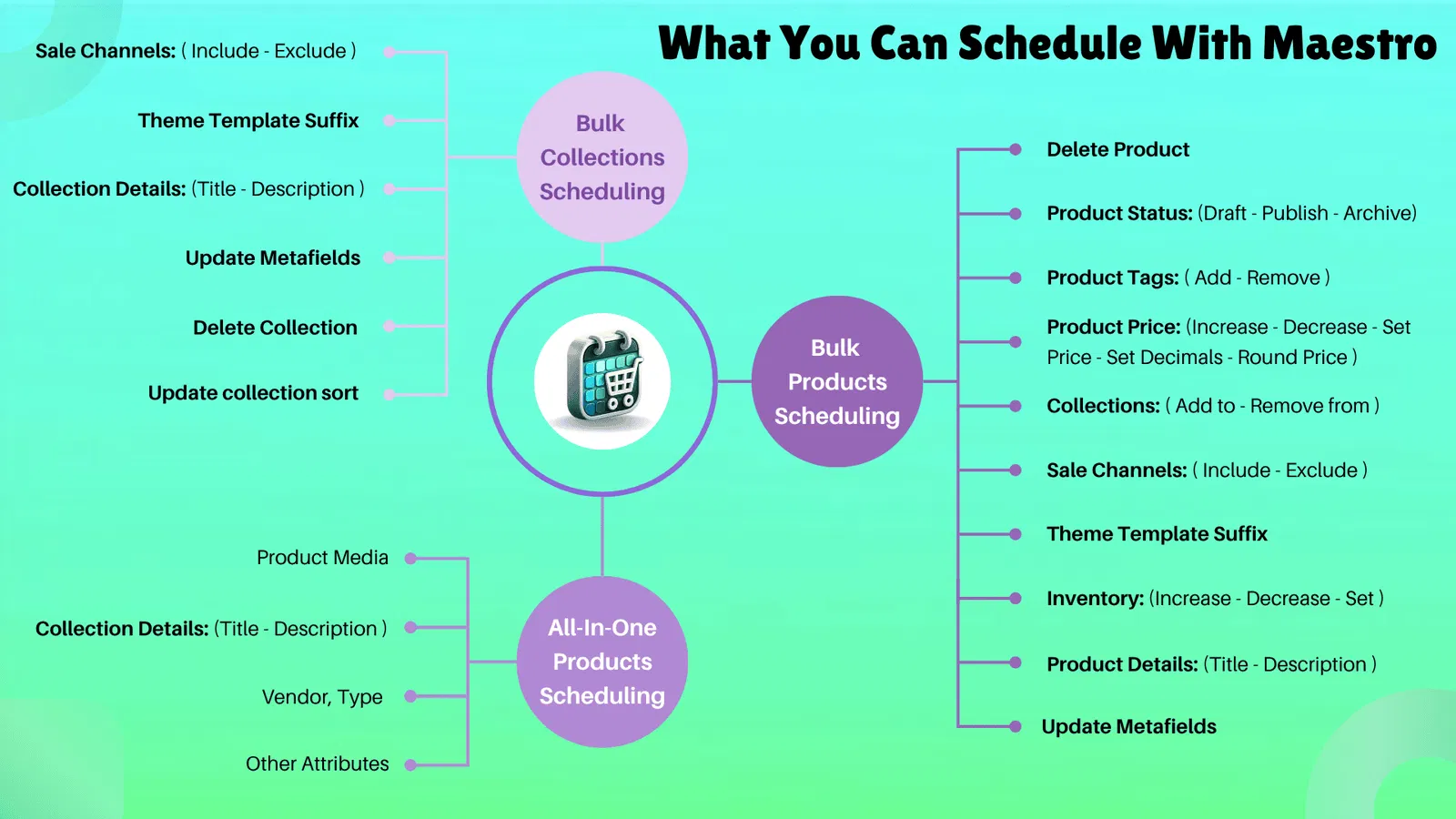
This level of automation ensures that your brand remains professional and consistent, regardless of which time zone your customers are in. It allows your team to work during business hours while the automation handles the "midnight launches" in international markets.
Post-Purchase and the Global Returns Challenge
Winning a customer is only half the battle. Retaining them requires a seamless post-purchase experience, which is notoriously difficult on a global scale. International returns and shipping errors can quickly turn a profitable expansion into a loss leader.
Building Trust Through Transparency
Customers are more likely to buy from an international brand if they know that getting help is easy. Providing a clear, localized claims process is essential for building long-term trust.
Streamlining Claims and Reports
When an international order goes wrong, the last thing a customer wants is a complicated back-and-forth email chain. We often integrate Claimify into our clients' stores to handle this.
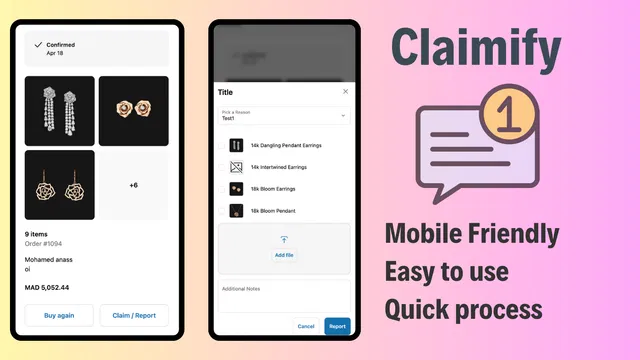
Claimify provides a mobile-friendly interface where customers can quickly report issues, upload photos of damaged goods, and track their claim status. By automating this part of the journey, you reduce the load on your customer service team and show your global customers that you value their experience as much as your local ones.
How to Start Your Global Journey with Shopify Markets
If you are ready to stop managing "stores" and start managing "markets," follow these simple steps to begin your expansion:
- Navigate to Settings > Markets: Open your Shopify admin and identify your primary market.
- Identify High-Potential Regions: Use your existing analytics to see where you are already getting international traffic.
- Create Your First Market: Group countries with similar characteristics (e.g., the Eurozone) into a single market.
- Configure Localization Settings: Enable local currencies, set up your shipping zones, and choose your preferred translation method.
- Review Duty and Tax Settings: Ensure you have selected whether to include or exclude duties in your product prices.
- Optimize for Speed: International shoppers have low patience for slow sites. Consider Shopify speed optimization to ensure your store loads instantly across the globe.
The Future of Scaling is Automated
The merchants who will dominate in 2026 are those who embrace automation. The days of manual store management are over. By combining the native power of Shopify Markets with specialized tools like Maestro and Claimify, you create a lean, efficient, and highly profitable global machine.
Global expansion is no longer a "someday" goal for when you have a massive team. With the right configuration, a small brand can operate like a multinational corporation from day one.
If you are looking for a partner to help navigate these technical waters, book a meeting with us. At XCO Agency, we don't just build stores; we build global growth engines. Whether you need a full migration to Shopify or advanced Shopify design services tailored for international audiences, our team is ready to help you scale.
The world is waiting for your brand. In 2026, there are no more borders: only markets waiting to be reached. Taking this proactive step today will define your brand's trajectory for years to come.