
As a Shopify expert, I often speak with high growth merchants who feel they have hit a ceiling with traditional Liquid themes. They are seeking faster load times, more unique brand experiences, and deep technical control that a standard template simply cannot provide. For years, the move to headless commerce was seen as a risky, expensive, and complex endeavor. However, the landscape has shifted.
The introduction and maturation of Shopify Hydrogen has changed the calculation for ambitious brands. By 2026, Hydrogen has become the gold standard for merchants who refuse to compromise between high speed and high customizability. It is no longer just a developer tool: it is a strategic business asset that empowers brands to create shopping experiences that were previously impossible.
The Problem with Traditional Storefronts
Most merchants start their journey with Liquid, Shopify’s native templating language. It is reliable, easy to use, and powers millions of stores. But as a business scales, certain limitations become apparent. You might find that your site speed is lagging despite aggressive optimization. You might want a user interface that breaks the mold of standard product grids and sidebars.
When you reach this point, you are often looking for:
- Sub-second page loads that keep mobile shoppers engaged.
- The ability to integrate data from multiple sources without slowing down the frontend.
- A truly bespoke aesthetic that reflects a premium brand identity.
- A future-proof architecture that can handle massive traffic surges during global sales.
Hydrogen solves these challenges by decoupling the frontend from the backend, using a modern framework built specifically for commerce.
What is Shopify Hydrogen?
Hydrogen is Shopify’s official framework for building headless storefronts. It is built on Remix, a powerful web framework that focuses on performance and the user experience. Unlike traditional headless setups that require you to piece together various technologies, Hydrogen provides a pre-configured toolkit designed to work seamlessly with Shopify’s APIs.
This architecture allows you to build a frontend using React, the most popular JavaScript library for building user interfaces. Because the frontend is decoupled, you are no longer restricted by the rules of Liquid. You can build exactly what you want, how you want it.

Why Hydrogen is a Game Changer for Performance
Performance is the most significant driver for moving to Hydrogen. In the current e-commerce climate, even a 100-millisecond delay can lead to a measurable drop in conversion rates. Hydrogen addresses this through several technical innovations.
React Server Components
Hydrogen leverages React Server Components to deliver 30 to 50 percent performance gains compared to traditional themes. This technology allows the server to do the heavy lifting of fetching data and rendering components before sending a minimal amount of JavaScript to the browser. This results in:
- Reduced Largest Contentful Paint (LCP) by up to 46 percent.
- Significantly lower First Input Delay (FID), often by 67 percent.
- Time to Interactive (TTI) being cut in half for most users.
Optimized Data Fetching with Remix
Because Hydrogen is powered by Remix, it uses intelligent data loading patterns. Instead of the browser making dozens of requests to different APIs after the page loads, the server handles these requests in parallel. This means that by the time the user sees the page, all the necessary product data, pricing, and availability are already there.
Sub-30ms Latency with Fluid Compute
In 2026, the integration with Oxygen (Shopify’s hosting platform) and technologies like Fluid Compute has eliminated the old problem of serverless "cold starts." Your store can now respond to requests in under 30 milliseconds, regardless of where the customer is located in the world. This level of speed is vital for global brands using Shopify speed optimization strategies to dominate international markets.
Creative Freedom Without Constraints
Beyond speed, Hydrogen is about the freedom to build. When you are no longer tied to the Shopify theme editor, you can create immersive experiences.
Optimistic UI
Hydrogen allows for "Optimistic UI" updates. This means that when a customer clicks "Add to Cart," the UI updates instantly before the server even confirms the action. This creates a feeling of zero latency that makes your store feel like a high-end mobile app rather than a website.
Nested Routing and Smooth Transitions
Traditional websites often require a full page reload when moving from a collection page to a product page. Hydrogen uses nested routing to only update the parts of the page that actually change. This results in fluid, cinematic transitions that keep the user in the shopping flow.
Managing Operations in a Headless World
One common fear merchants have about going headless is losing the ease of use of the Shopify admin. They worry that their marketing teams will no longer be able to update the site without a developer.
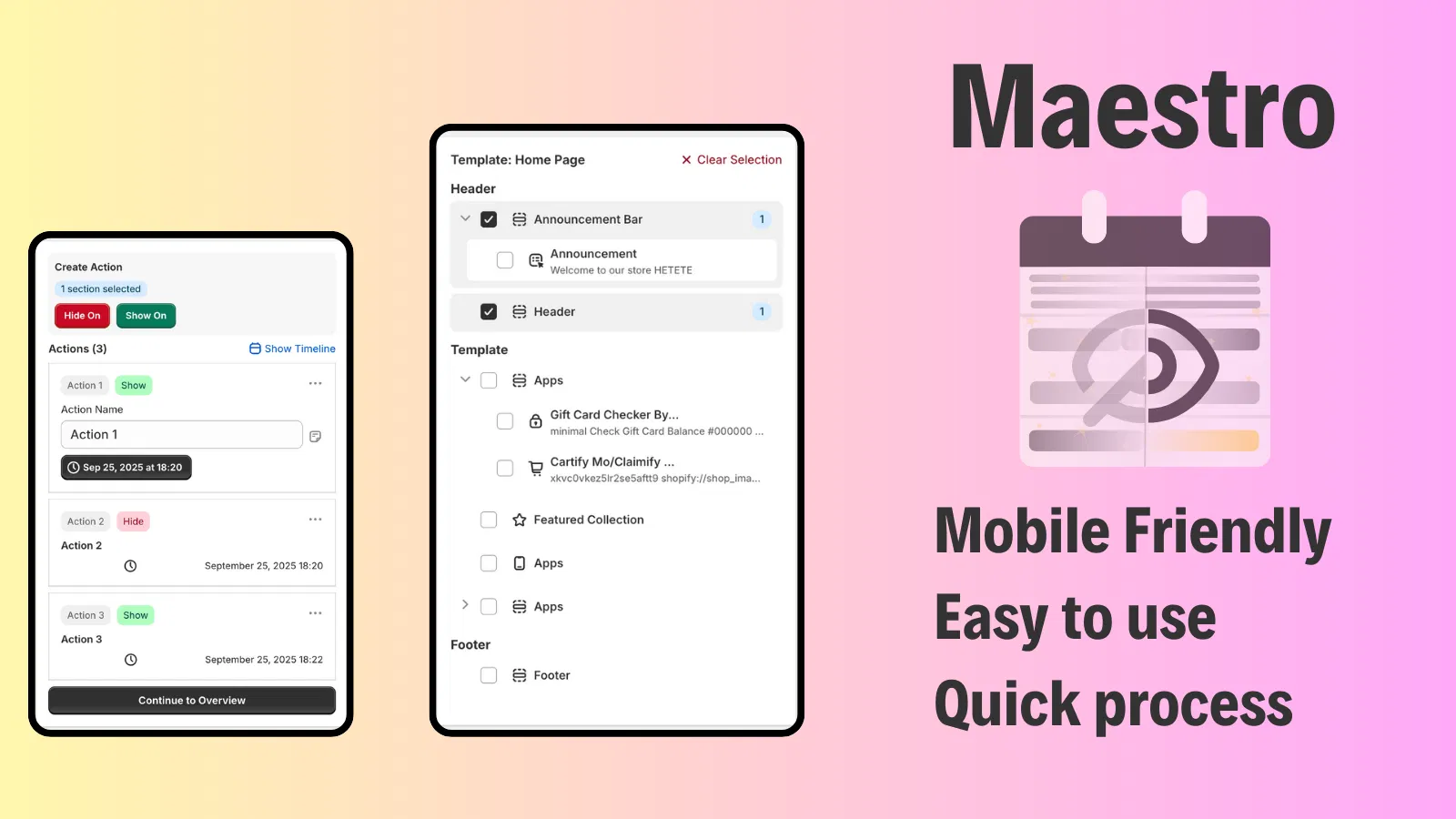
At XCO Agency, we solve this by implementing robust orchestration tools. For example, even in a headless environment, you can utilize the logic of our Maestro Theme Scheduler to plan and automate content shifts. By using a headless-friendly Content Management System (CMS) like Sanity or Contentful alongside Hydrogen, your team maintains the power to schedule sales, update banners, and launch new collections without touching a single line of code.
Streamlining Post-Purchase and Logistics
A high-performance storefront is only half the battle. You also need high-performance operations. For merchants dealing with high volumes or complex returns, tools like Claimify integrate into your ecosystem to handle product claims and reports seamlessly. This ensures that the premium experience you built with Hydrogen continues all the way through the post-purchase journey.

The 2026 Maturity Shift: AI and Dynamic Pricing
The real transformation we are seeing in 2026 is how Hydrogen enables real-time AI capabilities. Because Hydrogen storefronts run on edge servers, you can execute complex logic closer to the user.
- Real-Time AI Recommendations: Use edge functions to analyze user behavior in real-time and suggest products with sub-30ms latency.
- Dynamic Pricing: Automatically adjust prices based on inventory levels or regional demand, pulling data directly from your backend via webhooks.
- B2B and Wholesale: High-growth merchants are increasingly using Hydrogen to build complex Shopify B2B and wholesale channels that require different pricing tiers and restricted access, all while maintaining consumer-grade speeds.
Is Hydrogen Right for Your Business?
While Hydrogen is powerful, it is not a "one size fits all" solution. It requires a dedicated engineering approach. You should consider the move if:
- Your UX requirements are complex: If your design vision cannot be achieved within the confines of a standard Shopify theme.
- Performance is a competitive necessity: If you are in a highly competitive niche where every millisecond counts toward your conversion rate.
- You need deep integrations: If you are pulling data from a custom ERP, a complex PIM, or multiple third-party APIs.
- You have the resources: Headless commerce is a long term investment. You need a partner like XCO Agency to ensure your migration to Shopify and the subsequent maintenance of your Hydrogen store is handled by experts.
How to Get Started with Hydrogen
If you are ready to explore the possibilities of headless commerce, follow these steps to ensure a successful transition.
Step 1: Audit Your Current Performance
Before making the jump, identify your bottlenecks. Use tools like Google PageSpeed Insights and Shopify's built-in reports. If your performance issues are rooted in the limitations of Liquid, Hydrogen is the logical next step.
Step 2: Define Your Content Strategy
Decide which CMS you will use to power your Hydrogen frontend. This is a critical decision that will affect how your marketing team interacts with the store daily.
Step 3: Map Out Your Integrations
List every third-party app and tool you currently use. Ensure they have the necessary APIs or that there are headless-friendly alternatives. Many XCO Agency tools are designed with this flexibility in mind, ensuring your Shopify integrations remain seamless.
Step 4: Choose the Right Partner
Building a Hydrogen store is a sophisticated engineering task. You need a team that understands the nuances of Remix, React, and the Shopify Storefront API.

Conclusion: A Vital Step for Future Growth
The move to Shopify Hydrogen represents a proactive step toward a future where your e-commerce site is not just a shop, but a high-performance application. By prioritizing speed, creative freedom, and operational agility, you position your brand at the forefront of the digital commerce landscape.
As we move through 2026, the gap between standard stores and high-performance headless stores will only widen. Merchants who embrace these technologies now will be the ones who define the next era of online shopping.
If you are looking to push the boundaries of what your Shopify store can do, our team is here to guide you. From growth strategies to custom development, we help high-growth brands navigate the complexities of modern commerce.
Ready to build the future of your brand? Book a meeting with our experts today or explore our services to see how we can transform your digital presence.