
As a Shopify expert, I often encounter merchants who spend hours every week manually dragging products around in their collections. This manual labor is not only tedious but also inefficient, as market trends and inventory levels change faster than any human can react. In the competitive landscape of e-commerce, staying relevant means your storefront must be as dynamic as your customers' shopping habits.
Merchants are constantly seeking ways to improve their shopify store setup to ensure that the most profitable and relevant items are always front and center. This is where dynamic sorting becomes a game-changer. By automating how products are arranged based on real-time data, you can significantly enhance the user experience and boost your conversion rates.
In this guide, I will walk you through the essential strategies of dynamic merchandising using Rankify Smart Collections. Whether you are managing a small boutique or handling a large-scale shopify plus development project, mastering these automated sorting rules will transform your operational efficiency.

Why Manual Collection Management is Failing Your Store
Before we dive into the "how," it is vital to understand the "why." Traditional Shopify collections require a Choice between manual sorting or simple automated conditions (like "Product tag is equal to X"). While automated collections are better than manual ones, they lack the sophisticated logic needed for high-performance merchandising.
Here are the primary challenges of manual or basic sorting:
- Inventory Blindness: Out-of-stock items often linger at the top of collections, frustrating customers and increasing bounce rates.
- Stale Content: Without constant updates, returning customers see the same products in the same order, leading to a perceived lack of variety.
- Missed Opportunities: Products that are trending or high-converting might be buried on page three because nobody had the time to move them up.
- Labor Intensive: For stores with hundreds of products, keeping collections optimized is a full-time job that detracts from higher-level business growth.
By implementing dynamic sorting, you solve these problems by letting data drive the placement of every item in your catalog.
The Power of Rankify Smart Collections
Rankify Smart Collections is a powerful tool designed to bring advanced merchandising logic to your Shopify store. It moves beyond basic "if-this-then-that" rules to create a multi-layered sorting environment. It allows you to define complex rule sets that adjust your collections in real-time based on the metrics that matter most to your bottom line.
Using Rankify, you can automate sorting by:
- Sales Performance: Automatically boost products that are generating the most revenue or have the highest quantity sold.
- Inventory Levels: Prioritize items with deep stock to prevent selling out too quickly, or demote items with low stock to the bottom.
- Product Age: Highlight your newest arrivals to keep the store looking fresh and exciting for loyal customers.
- Discount and Price: Sort by price range or highlight items that are currently on sale to attract budget-conscious shoppers.
- Tags and Attributes: Create custom rules based on specific tags like "Best Seller," "Eco-Friendly," or "Limited Edition."
Understanding Weighted Rule Sets
The most transformative feature of Rankify is the ability to create weighted rule sets. Most basic tools only allow you to sort by one metric at a time, such as "Best Selling" or "Newest." However, a sophisticated merchandising strategy often requires a balance of several factors.
As a Shopify consultant, I recommend using weighted rules to create a "Product Health Score." For example, you might create a rule set that looks like this:
- Sales Velocity (50% weight): This ensures your proven winners stay visible.
- Inventory Health (30% weight): This prevents you from promoting items that only have one or two sizes left.
- Product Age (20% weight): This gives new products a slight boost to help them gain initial traction.
By combining these factors, Rankify calculates a unique score for every product in the collection and sorts them accordingly. This level of customization is essential for shopify plus development where catalog complexity is high and margins are tight.

Step-by-Step: Implementing Dynamic Sorting in Your Store
Setting up Rankify to handle your collection sorting is a straightforward process. Here are the simple steps to follow to get your first smart collection running.
Step 1: Define Your Merchandising Goal
Before touching any settings, identify what you want to achieve. Are you trying to clear out old stock? Are you focused on maximizing revenue per visitor? Or are you looking to promote a specific category of goods? Your goal will dictate your rule weights.
Step 2: Create a Rule Set in Rankify
Navigate to the Rankify app within your Shopify admin. Select the option to create a new Rule Set. Give it a descriptive name like "Standard Revenue Maximizer" or "Inventory Clearance."
Step 3: Add Sorting Criteria
Choose your primary sorting metrics. For a standard high-performance collection, I suggest adding:
- Sales (Revenue): To keep the heavy hitters at the top.
- Inventory (Percentage): To ensure items with full size runs are prioritized.
- Published Date: To give a subtle lift to new arrivals.
Step 4: Assign Weights
Assign a percentage value to each criterion. Ensure the total adds up to 100%. This is where you fine-tune the "intelligence" of your collection. If you are unsure, start with a 60/40 split between Sales and Inventory.
Step 5: Apply the Rule Set to Collections
Once your rule set is saved, you can apply it to any number of collections. This is a massive time-saver. Instead of configuring each collection individually, you can update one rule set and have the changes reflect across your entire store.
Step 6: Set the Refresh Frequency
Decide how often Rankify should re-sort your products. For high-volume stores, a daily or even hourly refresh ensures that your collections are always accurate to current sales trends and stock levels.
Enhancing Your Custom Shopify Themes
When building custom shopify themes, it is easy to focus entirely on the visual design. However, the logic behind the layout is just as important. Dynamic sorting ensures that the beautiful grid layouts you have designed are filled with products that customers actually want to buy.
If you have spent resources on shopify store setup, you know that a clean interface is only half the battle. If a user lands on a perfectly designed page but sees only out-of-stock items, the design cannot save the conversion. Rankify acts as the "silent merchandiser" that keeps your theme's content optimized.
Furthermore, because Rankify handles the sorting logic on the backend, it does not impact your page load speed. This is a critical consideration for SEO and user experience. Unlike some client-side sorting apps that cause "content jumping" as the page loads, Rankify updates the collection order within the Shopify database itself.

Best Practices for Long-Term Success
To get the most out of dynamic sorting, you should treat it as an evolving strategy rather than a "set it and forget it" task. Here are some expert tips to keep your merchandising sharp:
- Seasonal Adjustments: During peak seasons like Black Friday or Cyber Monday, you may want to increase the weight of "Sales" and "Discount" to capitalize on high-intent traffic.
- Audit Regularly: Every month, review your collection orders to ensure the logic is still producing the results you expect. You might find that some products are being demoted too aggressively due to low inventory.
- Coordinate with Marketing: If you are running a major ad campaign for a specific product, use a "Tag" rule to keep that product at the top of its collection, regardless of its sales or inventory score.
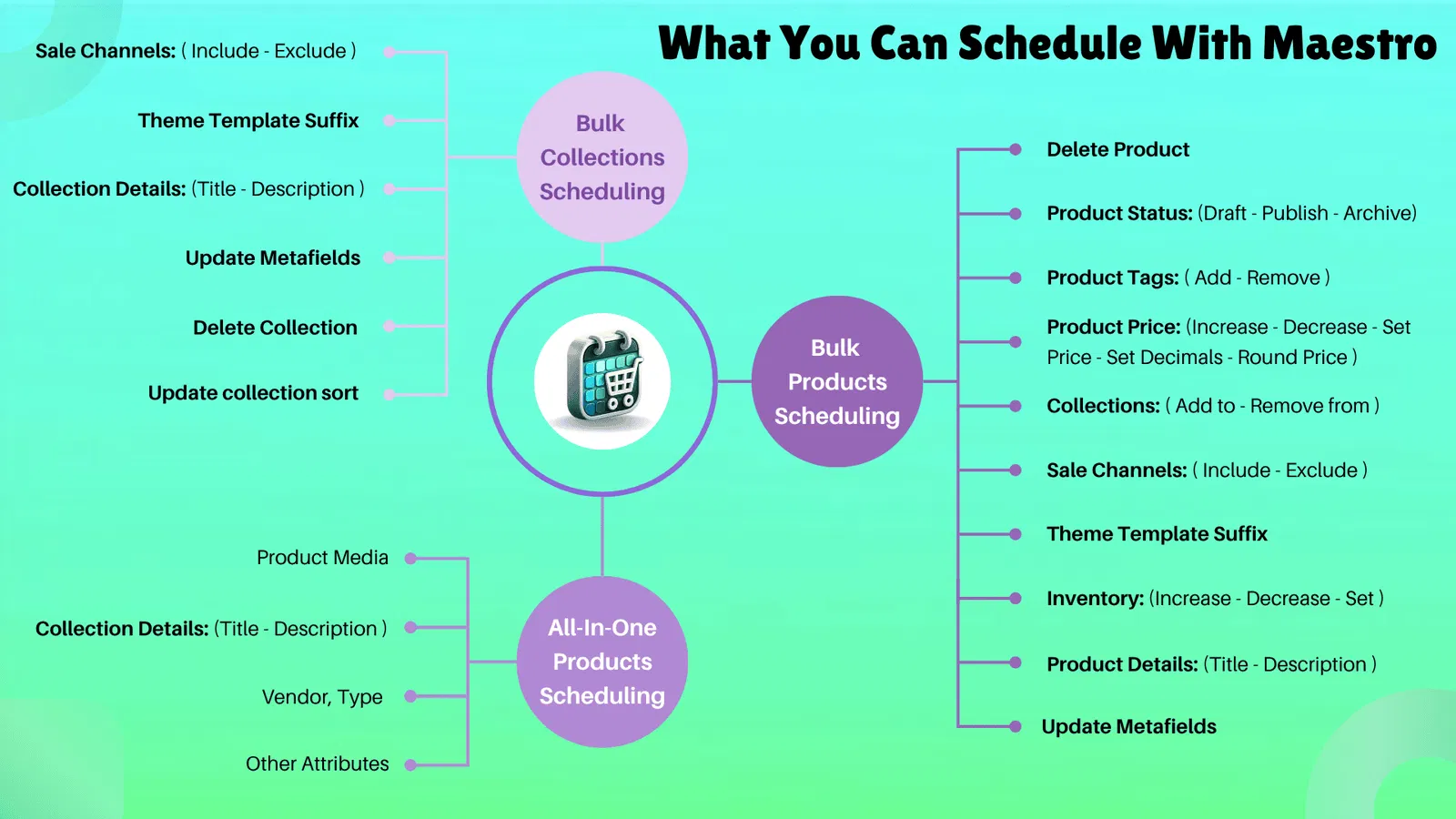
- Utilize Scheduling: If you are using tools like Maestro for content scheduling, coordinate your collection sorting changes with your theme updates to create a cohesive brand message.
Integrating Rankify into Your Workflow
The beauty of dynamic sorting is how well it integrates into the broader Shopify ecosystem. For businesses focused on custom shopify themes, Rankify provides the necessary data structure to ensure that any featured collection section on the home page is always displaying the best possible products.
After completing the initial setup, you will notice a significant reduction in the hours spent on administrative tasks. This time can be better spent on optimizing your store's UX or refining your digital marketing strategy.
Conclusion: A Vital Step for Modern E-Commerce
Implementing dynamic sorting via Rankify is a proactive step toward a more professional and profitable Shopify store. By moving away from manual collection management and embracing automated, data-driven rules, you ensure that your store is always working to maximize its conversion potential.
As a Shopify expert, I have seen firsthand how much impact these "behind the scenes" optimizations can have. It is not just about moving products around; it is about providing a seamless, relevant, and engaging shopping experience for every visitor.
If you are ready to power-up your merchandising and take the manual labor out of your workflow, starting with Rankify Smart Collections is a vital step. Whether you need help with a complex shopify plus development project or just want to perfectly set up your domain, XCO Agency is here to help you scale.
Take control of your collections today and watch how dynamic sorting can transform your store's performance. Reach out to us at XCO Agency to learn more about how we can help you optimize every aspect of your Shopify experience.