
As a Shopify expert, I often see merchants who are essentially slaves to their own success. They spend their days (and far too many of their nights) manually updating product descriptions, toggling sale prices, and clicking "publish" at the stroke of midnight. This manual approach to ecommerce maintenance services is not only exhausting; it is inherently risky. One missed click or a forgotten alarm can lead to a botched launch, lost revenue, and a lot of frustrated customers.
If you are seeking a way to reclaim your schedule while simultaneously improving your store performance, you have likely looked into automation. However, basic Shopify functionality often falls short when you need precise, complex scheduling. This is where the Product Scheduler by Maestro app steps in. It is not just a tool for timing; it is a fundamental shift in how you handle your shopify store setup.
In this post, we will explore how automating your catalog management can lead to:
- Significant reduction in human error during high-stakes launches.
- Better conversion rate optimization through strategic product placement.
- A truly hands-off workflow for seasonal sales and restocks.
- More time to focus on high-level growth strategies rather than micro-managing data.
The End of the Midnight Launch: Meet the Draft Helper
The "Draft Helper" feature is a game-changer for anyone who has ever had to stay up late to launch a new collection. Traditionally, Shopify requires you to manually change a product's status from draft to active. While Shopify does have some native scheduling, it often lacks the flexibility needed for complex, multi-channel launches.
The Draft Helper allows you to prepare everything in advance. You can set the exact second a product goes live across all your sales channels. This means your marketing emails, social media ads, and site updates can all be perfectly synchronized.
How the Draft Helper Streamlines Your Workflow
- Prepare in Batches: Instead of working on products one by one, you can prepare an entire season’s worth of inventory in draft mode.
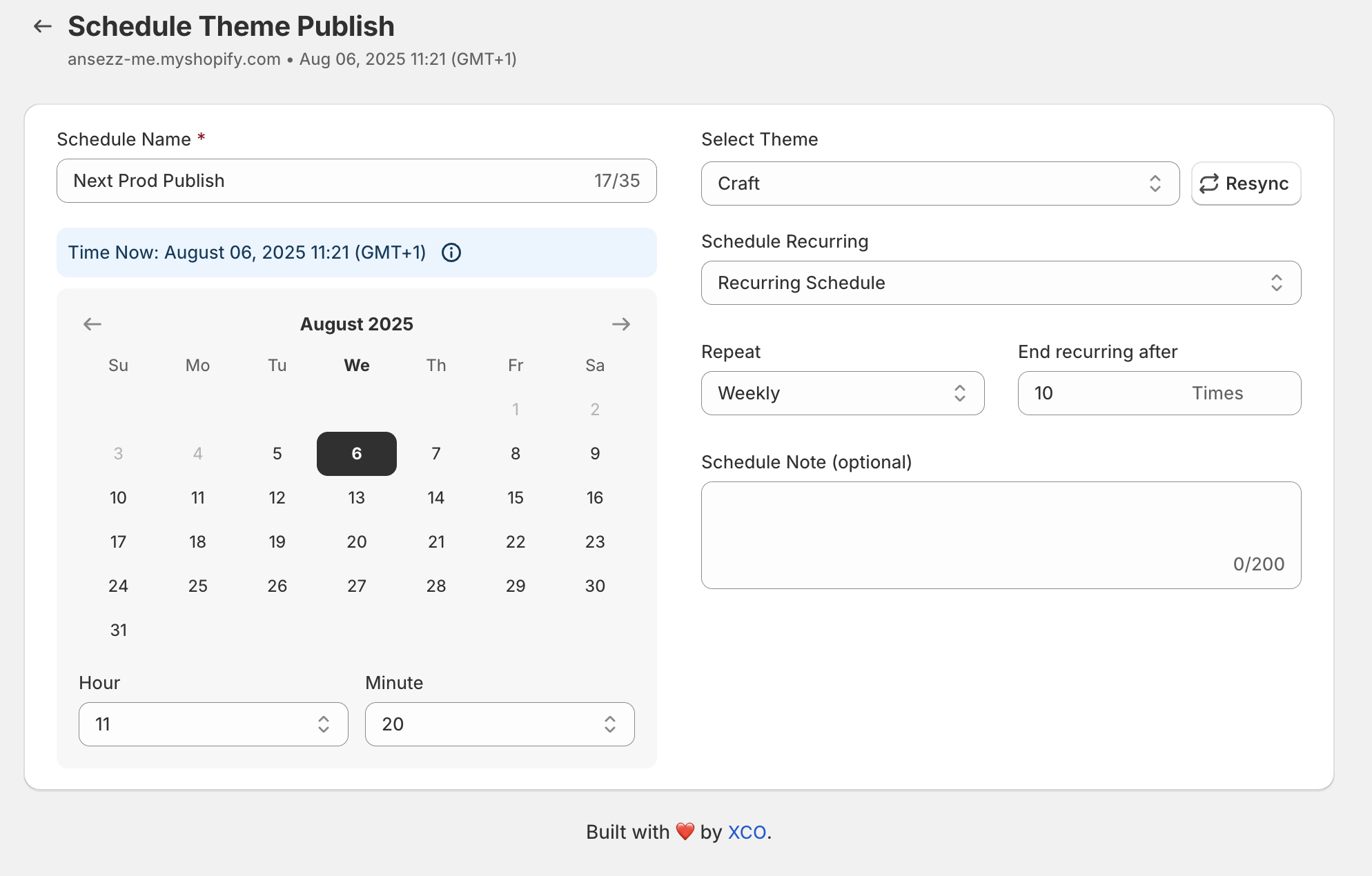
- Set the Schedule: Use the Maestro interface to select your products and set the "Go Live" date.
- Automate Unpublishing: If you have a limited-time drop, you can also schedule when the product should disappear or move back to draft status.
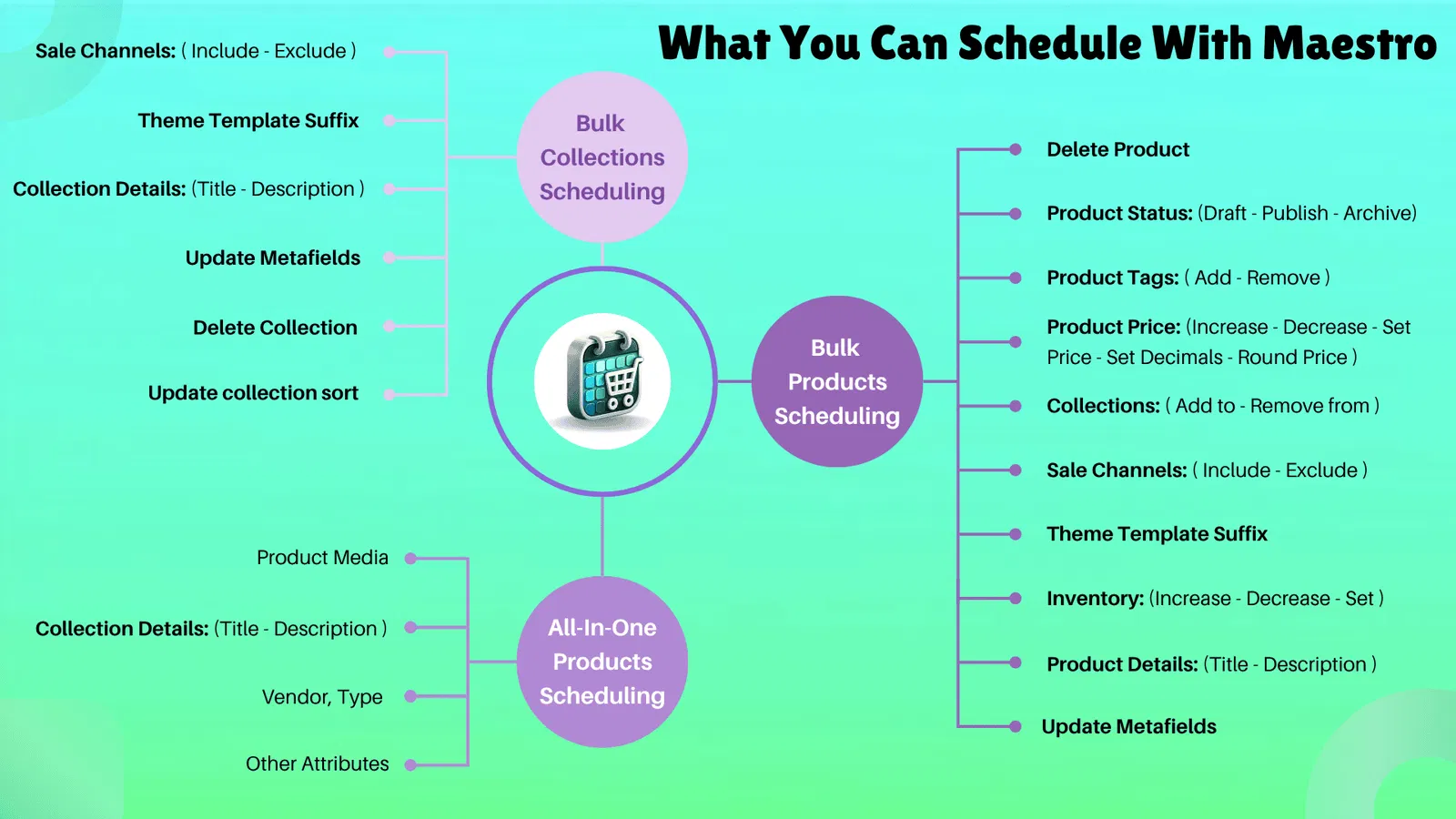
By using this feature, you ensure that your site always looks fresh and updated without you needing to be at your desk. This level of automation is essential for modern Shopify design services where the user experience depends on timely content.
Automated Tag Management for Seasonal Sales
Tags are the invisible engine of your Shopify store. They power your filters, your smart collections, and even some of your automated marketing flows. Managing these tags manually during a major sale like Black Friday or a seasonal clearance is a recipe for a headache.
Imagine needing to add a "Summer Sale" tag to 500 items on Friday morning and removing it on Sunday night. If you miss even five items, your collection pages will look broken, and your filters will mislead your customers.
Leveraging Automation for Tags
The Product Scheduler allows you to automate the addition and removal of tags. You can schedule a "Tag Update" action that triggers at a specific time.
- Step 1: Select the products you want to include in your sale.
- Step 2: Schedule the "Add Tag" action for the start of the sale.
- Step 3: Schedule the "Remove Tag" action for the exact moment the sale ends.
This ensures your conversion rate optimization efforts are not hampered by outdated tags or products lingering in sale collections long after the promotion has ended. It keeps your store clean, professional, and trustworthy.

Price Changes and the Power of Rounding Rules
Pricing is one of the most stressful aspects of ecommerce maintenance services. When you run a site-wide sale, you aren't just changing one price; you are changing hundreds. Furthermore, if you are doing a percentage-based discount, you often end up with ugly prices like $19.37.
Maestro’s Product Scheduler handles both the timing of price changes and the aesthetics of those prices. You can schedule a price decrease for a specific period and, more importantly, apply rounding rules.
Why Rounding Rules Matter
Psychological pricing is a core component of ecommerce success. A price of $19.99 almost always performs better than $20.00 or $19.37. With the scheduler, you can:
- Set a Discount Percentage: Decrease prices by 20% for a weekend flash sale.
- Apply Rounding: Instruct the app to round all resulting prices to the nearest .99 or .95.
- Automate Reversion: Once the sale is over, the app automatically reverts the prices to their original state.
This level of precision is vital for maintaining margins while staying competitive. If you are operating a Shopify B2B wholesale channel, these automated price adjustments can help you manage different pricing tiers without manual intervention.
Inventory Automation and Restock Coordination
Nothing kills a conversion faster than an "Out of Stock" button. Conversely, nothing builds hype like a "Back in Stock" announcement. Managing the visibility of products based on their inventory levels is a full-time job if you do it manually.
Product Scheduler allows you to automate what happens when inventory hits a certain threshold. You can schedule products to move to the bottom of a collection when stock is low, or hide them entirely when they hit zero.
Streamlining Restocks
When a shipment arrives, you don't always want those products to appear on the site immediately. Perhaps you want to wait until you have a marketing blast ready.
- Synchronized Restocks: Schedule the "Active" status of restocked items to coincide with your newsletter.
- Inventory Buffers: Use the scheduler to manage how inventory is displayed, ensuring you don't oversell during high-traffic periods.
This proactive approach to inventory management is a cornerstone of professional shopify store setup and long-term scaling.

Managing Collection Visibility and Sorting
The order in which products appear in a collection significantly impacts what customers buy. Most merchants set their collections to "Newest" or "Best Selling" and leave it at that. However, a truly optimized store changes its sorting based on current goals.
With Maestro, you can schedule changes to your collection templates and sorting rules. If you want your high-margin items at the top during a specific holiday weekend, you can schedule that change in advance.
Advanced Collection Management
- Theme Template Suffixes: You can schedule a change in the theme template for a collection. For example, during a holiday sale, you might want a collection to use a more festive layout.
- Visibility Scheduling: Show or hide entire collections based on a calendar. This is perfect for seasonal "Gift Guides" that should only be visible in November and December.
By automating these changes, you ensure that your store always presents the most relevant products to your visitors, directly contributing to higher average order values and better growth strategies.
Why This is the Ultimate "Hands-Off" Solution
The goal of any successful ecommerce entrepreneur should be to work on the business, not in the business. Spending hours on repetitive data entry is not a good use of your time. The Product Scheduler by Maestro acts like a digital employee who never sleeps, never makes a typo, and always hits the deadline.
By centralizing all these actions into a single dashboard, you gain a high-level view of your store's future. You can see every price change, every tag update, and every product launch scheduled for the next month. This clarity allows you to spot potential conflicts before they happen.
Reducing the "Human Factor"
Human error is the silent killer of ecommerce margins. A price set too low can cost thousands in minutes. A product published without an image looks unprofessional. Automation removes these risks. Once you have set your rules and verified your schedules, the app executes them with robotic precision.
For merchants who are serious about their ecommerce maintenance services, moving away from manual updates is the most significant step toward professionalization.
Taking the Next Step in Store Automation
Managing a Shopify catalog shouldn't feel like a constant battle against the clock. By implementing the Product Scheduler, you are not just buying an app; you are investing in a more scalable, reliable, and profitable business model. You gain the freedom to plan your marketing weeks in advance and the confidence that your store will execute that plan perfectly.
Whether you are looking to optimize your conversion rate, streamline your shopify store setup, or simply get a full night's sleep before a big launch, the Maestro Product Scheduler is the tool you have been looking for.
If you are ready to stop micro-managing your catalog and start growing your brand, our team at XCO Agency is here to help. We specialize in helping Shopify Plus merchants automate their workflows and optimize their digital presence.
Book a meeting with us today to discuss how we can implement these automation strategies for your store, or contact us if you have any questions about getting started with the Maestro suite of tools. Relying on manual updates is a risk you no longer have to take; let automation do the heavy lifting for you.