
As a Shopify expert, I often see high-growth merchants reach a plateau in their domestic market and start looking toward the horizon. The ambition to go global is a natural progression for any successful e-commerce brand, but the technical hurdles of cross-border trade used to be a significant barrier to entry. Previously, selling internationally meant managing multiple "expansion stores," which fragmented inventory, complicated reporting, and doubled the administrative workload.
Today, Shopify Markets has fundamentally changed that equation. It is a centralized management hub that allows you to identify, set up, launch, and optimize your international markets from a single Shopify store. At XCO Agency, we help merchants navigate this transition to ensure that scaling globally does not result in operational chaos.
Whether you are looking to dip your toes into a neighboring country or launch a full-scale assault on the European or Asian markets, this guide will provide the strategic framework you need to succeed.
Why High-Growth Merchants are Seeking Shopify Markets
Before we dive into the technical setup, it is vital to understand why this platform update is a game-changer for your growth strategy. Merchants are seeking ways to reduce friction in the buying process for international customers while keeping their back-end operations lean.
The advantages of utilizing Shopify Markets include:
- Higher Conversion Rates: By displaying prices in local currencies and offering local payment methods, you significantly reduce cart abandonment.
- Operational Efficiency: You manage one product catalog, one inventory pool, and one set of orders, rather than juggling multiple logins.
- Localized SEO: You can set up subfolders (like /en-ca or /fr-fr) or unique domains for each market, helping you rank higher in local search results.
- Transparent Pricing: Including duties and import taxes at checkout eliminates the "sticker shock" customers often experience when a package arrives with unexpected fees.
Step 1: Defining Your International Strategy
Expanding globally is not just about flipping a switch. It requires a proactive step-out into data analysis to ensure you are targeting the right regions. At XCO Agency, we recommend a phased approach.
Analyze Existing Traffic
Check your Shopify analytics or Google Analytics to see where your "ghost" traffic is coming from. If you have a significant number of visitors from the United Kingdom but no sales, it is likely because they are put off by shipping costs or non-localized pricing.
Assess Logistics and Compliance
Before selecting a market, research the specific regulations for your product category in that region. Certain cosmetics, supplements, or electronics may have strict labeling requirements or import bans.
Evaluate Cultural Nuances
A product that sells well in the United States might need different marketing or even different photography to appeal to a Japanese audience. This is where your brand tone and visual identity must remain consistent yet flexible.

Step 2: Configuring Your First Market
Once you have identified your target region, the setup process within the Shopify admin is straightforward. Here are simple steps to get started:
- Navigate to Settings: Click on the "Markets" tab in your Shopify admin.
- Add a Market: Select "Add market" and choose the country or group of countries you wish to target.
- Configure Currency and Language: Ensure that Shopify Payments is active to enable automatic currency conversion.
- Set Up Domains and Subfolders: Decide if you will use a subfolder (yourstore.com/en-uk) or a top-level domain (yourstore.co.uk). Subfolders are generally easier for SEO authority consolidation.
- Review Product Availability: You do not have to sell your entire catalog in every market. Use the "Products and pricing" section to hide specific items that are too expensive to ship or are not compliant.
Step 3: Mastering Localization and Regional Pricing
True global success lies in the details. If a customer in Germany sees a price in USD, they are far less likely to complete the purchase. Shopify Markets allows you to set specific price adjustments for each region.
Regional Price Adjustments
You can increase or decrease prices by a percentage for specific markets to account for higher shipping costs or different market valuations. For example, you might increase your European prices by 10 percent to offset the cost of international fulfillment.
Scheduling Regional Changes
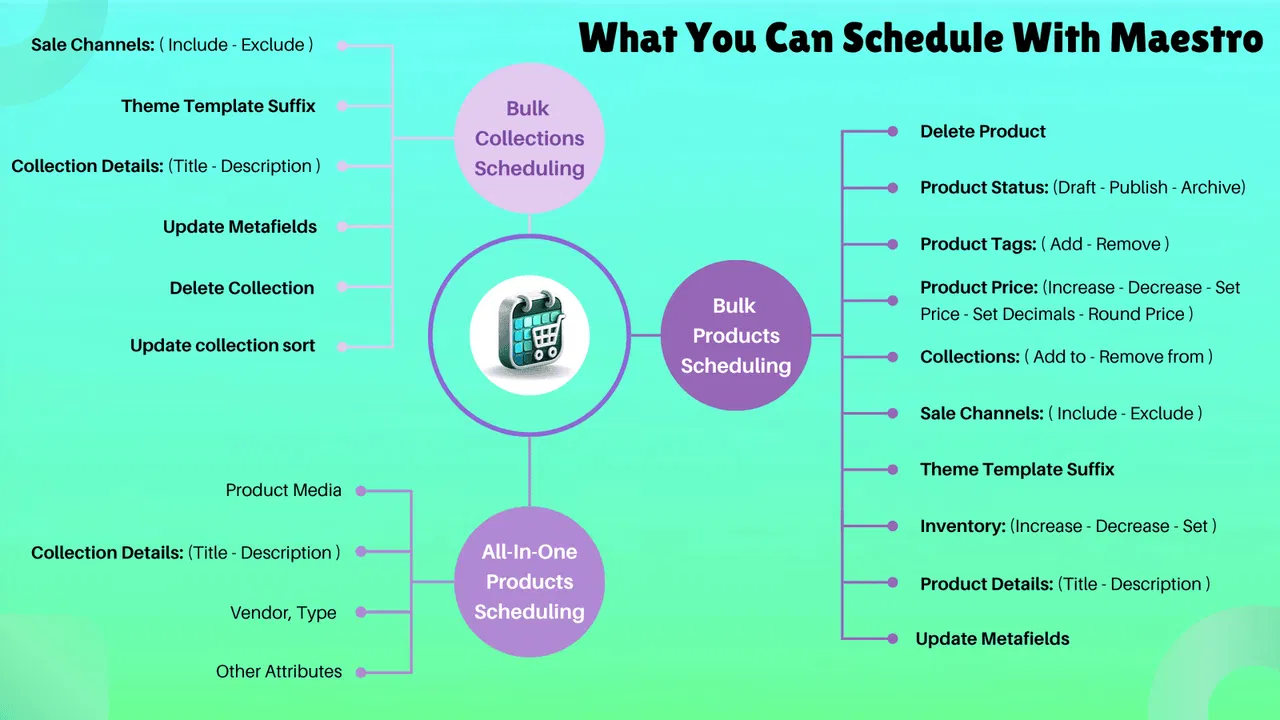
As your global footprint grows, managing different sales and promotions across time zones becomes a challenge. This is where we often recommend our internal tool, Product Maestro Scheduler. As a Shopify expert, I know that manual updates at 3:00 AM to sync with a London launch are not sustainable. Using a scheduler allows you to automate price changes, product launches, and collection updates specifically for your international segments.
Step 4: Optimizing the Storefront Experience
Localization goes beyond currency. It involves the entire "feel" of the website. If you are running a major promotion in Australia for their summer, you do not want your North American customers seeing parkas and snow gear on the homepage.
Adaptive Theme Sections
Using Maestro Theme Scheduler, you can schedule theme template changes that align with regional holidays or seasonal shifts. If you are targeting the Middle East, you can schedule specific banners and collections to appear during Ramadan without affecting your global site.
Language Translation
Shopify Markets integrates with several translation apps to provide a seamless multilingual experience. Ensure your checkout, notifications, and "Return Policy" are all available in the customer’s native language to build trust.
Step 5: Handling Duties, Taxes, and Shipping
One of the most complex aspects of global expansion is the financial compliance. Shopify Markets simplifies this by calculating duties and import taxes at checkout.
- Duty Calculation: Shopify uses Harmonized System (HS) codes to calculate duties. Ensure every product in your catalog has the correct HS code assigned.
- DDP vs. DDU: We always recommend "Delivered Duty Paid" (DDP). This allows the customer to pay all fees upfront. It is a vital step in reducing customer service inquiries and refusal of delivery.
- Shipping Profiles: Create specific shipping zones for your new markets. Use Shopify speed optimization techniques to ensure that your shipping calculator does not slow down the checkout process.
Step 6: Post-Purchase and Returns Strategy
Global expansion often fails because merchants forget about the "return" leg of the journey. International shipping is expensive, and returns can quickly eat your margins.
Managing Claims Efficiently
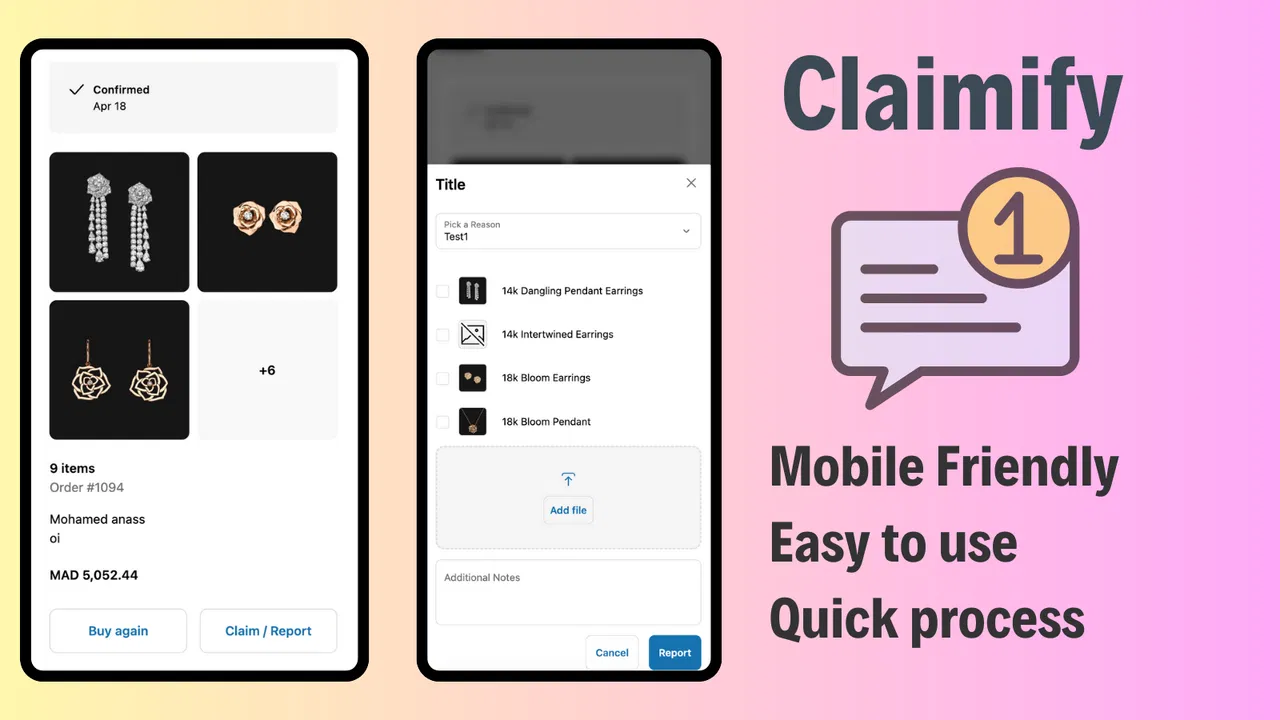
When issues arise with international orders, you need a streamlined way to handle them. We recommend using Claimify to allow customers to report issues or submit claims easily. A transparent claims process is especially important for international buyers who may feel more vulnerable when ordering from a brand across the ocean.
Step 7: Scaling with Shopify Managed Markets
For brands that want the ultimate "hands-off" approach, Shopify offers "Managed Markets" (formerly known as Shopify Markets Pro). In this model, Shopify acts as the "Merchant of Record."
The benefits of Managed Markets include:
- Guaranteed Duties: Shopify takes the risk of duty fluctuations.
- Fraud Protection: Advanced protection against international credit card fraud.
- Simplified Tax Filing: Shopify handles the remittance of taxes to international governments.
- Access to Premium Shipping: Often includes discounted rates for DHL Express and other global carriers.
While Managed Markets carries a higher transaction fee, the peace of mind and reduction in legal complexity make it an attractive option for high-growth brands.

Common Pitfalls to Avoid
Even with the best tools, global expansion can go wrong if you are not careful. Here are a few things to watch out for:
- Ignoring Local Payment Methods: In many European countries, credit cards are not the primary payment method. If you don't offer iDEAL in the Netherlands or Bancontact in Belgium, you will lose sales.
- Generic Translations: Machine translation is a great starting point, but it can miss cultural context. Always have a native speaker review your core pages and high-traffic product descriptions.
- Inconsistent Inventory: Ensure your migration to Shopify or your current integration setup accurately reflects inventory across all markets to avoid overselling.
- Poor SEO Mapping: Ensure your hreflang tags are correctly implemented. Shopify handles a lot of this automatically, but custom themes or complex Shopify design services can sometimes interfere with these tags.
Conclusion: Taking Your Brand to the World
Expanding your business through Shopify Markets is a proactive step toward long-term sustainability. It allows you to diversify your revenue streams and reach millions of new customers without the overhead of multiple store environments. By focusing on localized pricing, automated scheduling with tools like Maestro, and a robust post-purchase strategy, you can turn your domestic success into a global powerhouse.
At XCO Agency, we specialize in helping Shopify Plus merchants optimize their stores for international growth. From custom integrations to strategic growth strategies, our team is ready to guide you through every stage of your expansion.
Global trade is no longer reserved for the retail giants. With Shopify Markets and the right strategic partners, the entire world is now your marketplace. If you are ready to take the next step in your expansion journey, book a meeting with us to discuss how we can help you scale effectively and efficiently.