
As a Shopify expert, I often encounter high growth merchants who feel held back by geographical borders. They are seeking ways to expand their reach without the operational nightmare of managing five different stores for five different countries. International expansion used to mean duplicating themes, splitting inventory, and manually syncing data across multiple Shopify instances.
Shopify Markets changed that paradigm. It provides a centralized hub that allows you to manage global sales from a single admin panel. By the end of this guide, you will understand how to leverage this powerful tool to scale your brand across the globe while maintaining local relevance for every customer.
Understanding the Power of Shopify Markets
Shopify Markets is a cross border management tool that helps you identify, set up, launch, and optimize your international markets. Instead of viewing the world as one giant bucket of customers, Shopify Markets allows you to segment your audience into specific geographic regions.
Here are the primary reasons why high growth merchants are shifting to this model:
- Operational Efficiency: You manage one set of products, one theme, and one inventory pool.
- Localized Customer Experience: You can offer local currencies, languages, and regional domains.
- Reduced Friction: By calculating duties and taxes upfront, you remove the "surprise" costs that often lead to abandoned carts in international shipping.
- Strategic Control: You can set different prices or even offer different product catalogs for different countries.
Once your primary market is established, Shopify will guide you through the process of adding additional regions. This centralized approach is vital for maintaining a consistent brand voice while respecting local nuances.
Core Features of Shopify Markets
To succeed globally, you must do more than just ship packages across an ocean. You need to provide a shopping experience that feels domestic to the buyer. Shopify Markets enables this through several key features.
Local Currencies and International Pricing
One of the quickest ways to lose an international customer is to force them to do math at checkout. Shopify Markets uses Shopify Payments to automatically convert your prices into 130 plus local currencies.
Beyond simple conversion, you can also implement market specific pricing. If your shipping costs to Australia are significantly higher than to the United States, you can adjust your Australian prices upward by a percentage or set fixed prices for specific items to maintain your margins.
Language Translation and Content Localization
Trust is the currency of e-commerce. If a customer in France lands on a store that is entirely in English, the bounce rate will skyrocket. Shopify Markets integrates with translation apps to allow you to offer your store in multiple languages.
However, localization goes beyond just words. It involves showing the right content at the right time. For example, a merchant selling winter gear would want to promote heavy parkas to the Northern Hemisphere while highlighting lightweight rain shells to the Southern Hemisphere.

At XCO Agency, we recommend using Maestro Theme Scheduler to manage these regional variations. This tool allows you to schedule section visibility. You can show a specific promotional banner to your UK market during a bank holiday while keeping your standard homepage active for your US customers.
Market Specific Domains and SEO
To rank in local search results, you need a local presence. Shopify Markets allows you to set up subfolders (e.g., store.com/en-ca), subdomains (e.g., ca.store.com), or unique top level domains (e.g., store.ca) for each market.
Shopify automatically adds Hreflang tags to your store. These tags tell search engines like Google which version of your site to show based on the user's location, ensuring that your international SEO efforts are not diluted.
The Evolution of Shopify Markets Pro
For merchants who want to scale even faster without the burden of international compliance, Shopify introduced Markets Pro. This is a "Merchant of Record" service where Shopify (via Global-e) takes on the legal and financial responsibility of the international transaction.
Here is why Markets Pro is a game changer for growing brands:
- Guaranteed Duties and Taxes: It provides 100 percent accuracy on duty calculations, and Shopify handles the remittance to local governments.
- Fraud Protection: Markets Pro covers the risk of international fraud and chargebacks.
- Expanded Payment Methods: It automatically enables local payment options that are popular in specific regions, such as Klarna in Europe or Pix in Brazil.
- Simplified Shipping: You gain access to discounted international shipping rates and a streamlined label printing process.
While standard Markets is great for control, Markets Pro is built for speed and risk mitigation. If you are looking to enter 20 plus countries simultaneously, the Pro version is often the most efficient route.
Strategic Workflow: Setting Up Your First Market
Expanding globally should be a calculated process. Here are simple steps to get started:
Step 1: Identify Your Target Markets
Navigate to your Shopify Admin and go to Settings then Markets. Look at your historical data. If you see significant traffic coming from Canada or Germany but low conversion, those are your primary candidates for a dedicated market.
Step 2: Configure Localized Settings
Once you add a market, click on "Manage" to set the language and currency. Ensure that your domain strategy is consistent across all new regions.
Step 3: Set Up Shipping and Duties
Navigate to your shipping settings and create zones that correspond to your new markets. If you are not using Markets Pro, you should still enable duty collection at checkout to avoid "Delivery Duty Unpaid" (DDU) issues, which often lead to refused packages and high return rates.
Step 4: Automate Your Global Operations
Managing multiple markets manually is a recipe for burnout. You need automation to keep your store updated across time zones.
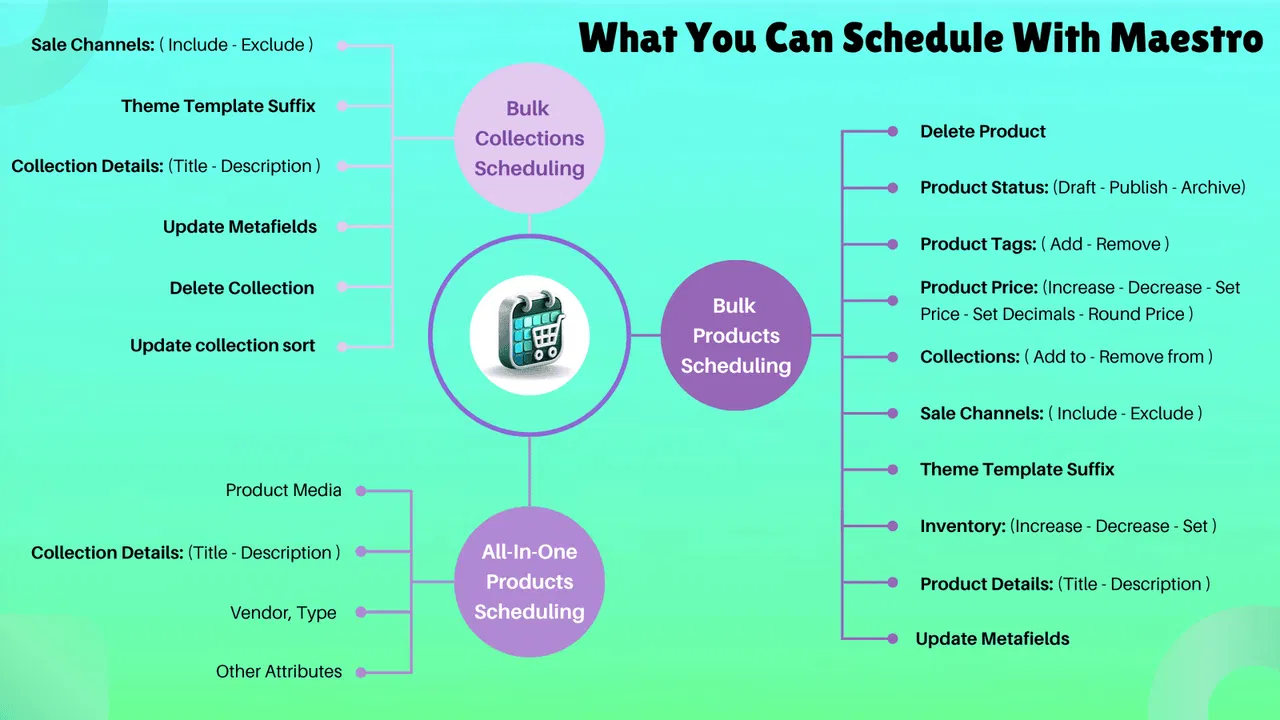
Using the Product Maestro Scheduler allows you to automate product availability by market. If you are launching a limited edition collection that is only available in the UK, you can schedule the exact moment those products become visible in that specific market without affecting your global inventory visibility elsewhere.
Best Practices for Cross Border Success
Success in global e-commerce requires a mix of technical setup and cultural awareness. After completing your basic setup, consider these advanced strategies:
Optimize for Speed
International customers are often browsing on slower networks or from great distances. Ensure your site is lean. Our Shopify speed optimization services can help ensure that a customer in Tokyo has the same lightning fast experience as a customer in New York.
Handle Returns Professionally
International returns are the biggest pain point for global merchants. Clear communication is key. Use a dedicated claims management tool like Claimify to handle issues.

Claimify allows customers to report issues or request returns through a mobile friendly interface. This transparency reduces the "where is my refund" emails and builds long term loyalty, even when a cross border shipment goes wrong.
Localize Your Marketing
Don't just translate your ads: transpose them. This means using local slang, referencing local holidays, and ensuring your imagery reflects the culture you are selling to. Use Growth Strategies tailored to each region rather than a one size fits all approach.

Common Pitfalls to Avoid
Even with the best tools, global expansion has hurdles. Avoid these common mistakes:
- Ignoring Local Regulations: Some countries have strict rules about ingredients, labeling, or electronic waste. Ensure your products are legal in the destination country.
- Neglecting Customer Support: If you sell in Japan, you should eventually aim to provide support in Japanese, or at least have a very clear FAQ translated into the local language.
- Static Pricing: Exchange rates fluctuate. If you set fixed prices, review them quarterly to ensure you aren't losing margin as currencies shift.
A Proactive Step Toward Global Growth
Shopify Markets is more than just a feature: it is a growth engine. It takes the technical complexity of international trade and hides it behind a user friendly interface. For high growth brands, this means the focus can stay where it belongs: on the product and the customer.
By centralizing your operations, localizing your content, and automating your workflows with tools like Product Maestro Scheduler and Claimify, you create a scalable foundation. You are no longer just a local business that happens to ship overseas: you are a global brand.
Expanding your business is a vital step in the modern e-commerce landscape. If the process feels intimidating, remember that you don't have to do it alone. Whether you need help with migration to Shopify or advanced Shopify design services for your international storefronts, our team is here to help.
Are you ready to take your store to the global stage? Explore our full range of services or book a meeting with us today to build a custom roadmap for your international success.