
As a Shopify expert, I often observe a recurring bottleneck that slows down even the most successful e-commerce brands: manual collection management. When your store grows from fifty products to five thousand, the traditional way of dragging and dropping items into a specific order becomes impossible. Merchants seek a way to automate this process while maintaining strategic control over what their customers see first.
This is where Rankify enters the conversation. Rankify is an advanced tool designed to handle dynamic collection merchandising and automated sorting through sophisticated rule sets. By moving away from static lists and toward data-driven automation, you can ensure your bestsellers, newest arrivals, and high-margin items are always front and center.
In this guide, I will explore how Rankify transforms Shopify collection management, why it is a vital tool for Shopify Plus development, and how you can implement it to optimize your store performance.
The Hidden Cost of Manual Collection Sorting
Many store owners start their journey by manually curated collections. While this works for small catalogs, it quickly becomes a liability. Manual sorting is reactive rather than proactive. By the time you realize a product has sold out or that a new trend has emerged, your collection page has already lost potential revenue because the right products were not in the top rows.
There are several critical pain points that Rankify addresses:
- Time Consumption: Merchandising a single collection can take hours. Multiply that by dozens of collections, and your team is spending days on maintenance instead of growth.
- Inventory Inefficiency: Showing out-of-stock items at the top of a page kills conversion rates. Manual updates often lag behind real-time inventory levels.
- Missed Sales Opportunities: Products with high conversion rates or recent sales spikes might stay buried on page three if you aren't constantly monitoring data and moving them up.
- Static Merchandising: Most stores look the same for weeks. Dynamic sorting ensures the storefront feels fresh every time a customer returns.
By implementing automated sorting, you transition from a manual operator to a strategic merchant. This is a standard practice in growth strategies for high-volume stores.
Key Features of Rankify for Dynamic Merchandising
Rankify does not just sort products alphabetically or by price. It uses a multi-layered approach to determine the "rank" of a product within a collection. This involves using weighted rule sets that look at various data points simultaneously.
Automated Sorting by Sales and Revenue
Rankify can track which products are actually generating money and move them to the top. You can set rules based on the number of units sold or the total revenue generated over a specific timeframe, such as the last seven, thirty, or ninety days. This ensures that your "trending" items are always visible to new visitors.
Inventory-Aware Merchandising
One of the most powerful features is the ability to push out-of-stock or low-stock items to the bottom of the collection. This keeps your "above the fold" area clean and filled with items that customers can actually purchase, significantly improving the user experience and reducing bounce rates.
Weighted Rule Sets
This is the "secret sauce" of professional merchandising. Instead of choosing just one metric (like sales), you can create a composite score. For example, you might give a 50 percent weight to sales volume, a 30 percent weight to product age (to keep new items high), and a 20 percent weight to profit margin. Rankify calculates these scores automatically and reorders the collection accordingly.
How to Set Up Rankify for Your Shopify Store
Setting up Rankify is a straightforward process, but it requires a clear strategy regarding your business goals. Whether you are performing a shopify store setup from scratch or optimizing an existing custom shopify theme, the steps remain consistent.
Step 1: Clean Your Product Data
Before Rankify can work its magic, your product data must be standardized. Ensure that all products have accurate tags, types, and vendors. Smart collections rely on clean data to function. If your tags are inconsistent, your automated rules will miss products.
Step 2: Define Your Merchandising Goals
Determine what success looks like for your collections. Are you trying to clear out old inventory? Are you focusing on maximizing the average order value? Your goal will dictate whether you prioritize "Product Age" or "Highest Price" in your rule sets.
Step 3: Create Your Rule Sets
Navigate to the Rankify dashboard and begin creating rule sets. Start with a simple "Bestseller" rule set that prioritizes sales velocity. You can apply this same rule set to multiple collections, saving you the trouble of configuring each one individually.
Step 4: Preview and Test
Always use the preview function. Rankify allows you to see how the products will be ordered before the changes go live on your storefront. Ensure that the logic you created aligns with the visual result you expect.
Step 5: Schedule Updates
Decide how often you want the collections to refresh. For high-traffic stores, daily or even hourly updates might be necessary to keep up with fast-moving inventory. For smaller stores, a weekly refresh might be sufficient.

Advanced Strategies for Shopify Plus Merchants
For those using Shopify Plus, the requirements for collection management are often more complex. You might be dealing with international markets, B2B channels, or massive promotional events.
Leveraging Tags for Campaign Management
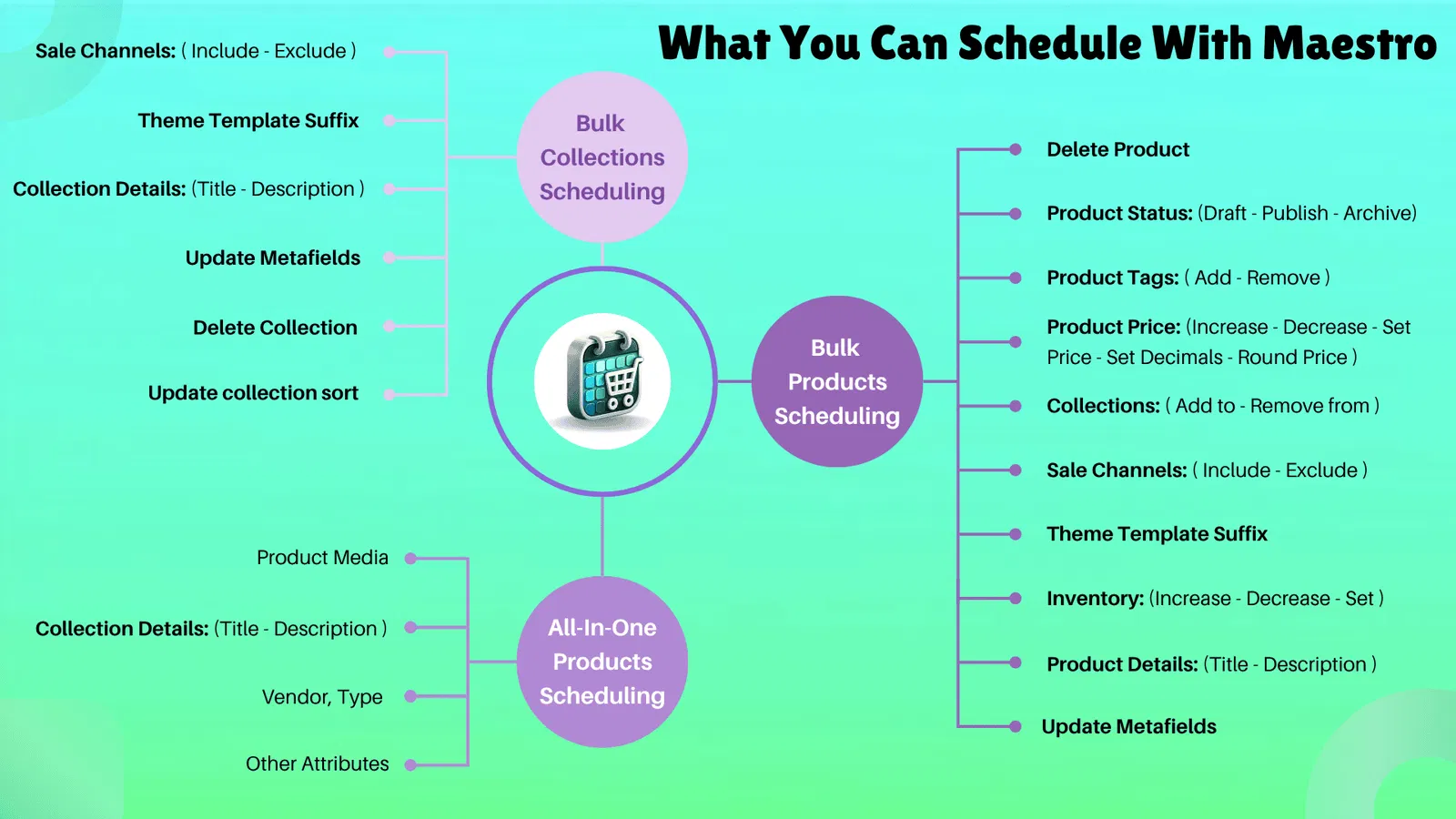
Tags are the foundation of scalable collection management. By using campaign-specific tags like "Summer-2026" or "Black-Friday-Exclusive," you can build collections that automatically populate and sort themselves as soon as the products are launched. This works seamlessly with tools like Maestro for scheduling theme changes.
Seasonal Transitions
When transitioning between seasons, you can adjust your weighted rules to favor "Product Age." This pushes your new seasonal arrivals to the top while keeping the previous season's items visible but further down the page. This balance is critical for maintaining SEO value while shifting sales focus.
Integrating with Shopify B2B
If you are running a shopify b2b wholesale channel, your merchandising needs are different. Wholesale buyers often look for bulk availability or specific product types. You can create Rankify rules specifically for your B2B collections to prioritize high-inventory items that are ready for bulk shipping.

Pricing and Scalability
Rankify offers tiered pricing to accommodate stores of all sizes. This makes it an accessible tool whether you are just starting or managing an enterprise-level catalog.
- Basic Plan: Ideal for stores with up to 1,000 products. This plan allows you to manage up to three smart collections with basic product attributes.
- Plus Plan: Designed for growing brands with up to 100,000 products. This plan offers unlimited collections and advanced attributes, plus the ability to force manual updates when you need a change to happen instantly.
- Premium Plan: For the largest e-commerce operations. This offers unlimited everything and the full suite of Rankify functionality to ensure your massive catalog stays organized without human intervention.
Each plan typically includes a free trial, which I highly recommend using to see the immediate impact on your collection layout.
The Impact on Site Speed and UX
A common concern with third-party apps is their impact on site speed. However, because Rankify works primarily on the backend to reorder Shopify’s native collections, the impact on frontend performance is negligible. In fact, by showing customers exactly what they are looking for faster, you improve the perceived speed and efficiency of the shopping experience.
If you are concerned about overall performance, our team at XCO Agency specializes in shopify speed optimization to ensure your store remains lightning-fast even with multiple app integrations.

Why Automation is the Future of E-Commerce
The shift toward automated merchandising is not just a trend; it is a necessity. As customer expectations rise, the tolerance for poorly organized, out-of-stock, or irrelevant collection pages drops. Automation allows you to stay competitive by reacting to market data faster than any human could.
By using Rankify, you gain:
- Consistency: Your collections always follow the same logical rules across your entire site.
- Agility: You can change the merchandising strategy for your entire store in minutes by adjusting a single rule set.
- Data-Driven Growth: You stop guessing what should be at the top of the page and let the customers' behavior dictate the order.
If you are ready to take your Shopify store to the next level, implementing Rankify is a vital step. Whether you need help with the initial shopify store setup or want to refine your growth strategies, our experts are here to assist.
For more information on how to optimize your store or to explore our full range of services, feel free to book a meeting with us today. You can also check our FAQs for more insights on Shopify management.
Final Thoughts on Rankify and Smart Collections
Mastering Shopify Smart Collections with Rankify is one of the most proactive steps you can take to increase your store's conversion rate. By automating the tedious task of sorting and merchandising, you free up your team to focus on high-level strategy and creative marketing.
Remember, the goal of a collection page is to lead the customer to a purchase as quickly as possible. Rankify ensures that the path to purchase is always paved with your best, most relevant products. Start small, test your rules, and watch as your automated merchandising drives better results for your brand.