
As a Shopify expert, I often work with ambitious brands that reach a critical tipping point in their growth trajectory where manual customer service operations completely buckle under pressure. Last year, I partnered with a fast-growing apparel brand processing thousands of orders weekly. Their support team was literally drowning in a sea of customer emails, searching through endless threads for order numbers, missing items, damaged shipments, and return requests.
Every morning started with inbox anxiety. Customer service agents spent hours copying and pasting tracking details, manually verifying purchase dates, and apologizing for delayed response times. The business was losing money not just on operational overhead, but on customer churn driven entirely by friction.
If your team is currently tethered to an inbox, manually sorting through return and shipping claims, you know how quickly administrative drag can stall your momentum. In this article, I will walk you through how migrating to Claimify transforms support workflows, reduces operational costs, and restores customer trust.
The Anatomy of Email Chaos in High-Volume E-Commerce
When online stores rely exclusively on email for handling returns, exchanges, and damaged product claims, several predictable bottlenecks emerge. Without a centralized, self-serve structure, every single customer inquiry turns into a manual administrative task.
- Lost Emails and Fragmented Threads: Customer replies get buried under marketing newsletters and promotional blasts, causing urgent claims to slip through the cracks.
- Manual Order Verification: Agents must manually search your Shopify admin for order history, shipping statuses, and customer lifetime value before deciding on a claim eligibility.
- Escalating Customer Frustration: Delayed response times turn minor shipping hiccups into public social media complaints and chargeback disputes.
- Inconsistent Policy Enforcement: Different support agents apply return windows or refund policies differently when relying on manual judgment calls instead of system rules.
To overcome these hurdles, forward-thinking merchants are shifting away from inbox management and adopting structured solutions like Claimify that empower customers to handle routine requests independently.
Transitioning to Claimify
Moving from email chaos to a streamlined Claimify workflow is a vital step for any scaling brand. Claimify acts as a self-serve extension of your e-commerce store where shoppers can securely log in, select specific items from past orders, state their reason for return or claim, and receive instant instructions.

By integrating robust shopify automation and a specialized solution like Claimify, you can significantly enhance operational efficiency while freeing up your team to focus on high-value customer interactions. Here are the primary advantages of making this transition:
- Instant Resolution for Shoppers: Customers receive immediate prepaid shipping labels or exchange options without waiting days for a human support reply.
- Automated Policy Enforcement: Claimify automatically validates return windows, restricted items, and restocking fees based on your custom store rules.
- Centralized Data Tracking: All claims, replacement orders, and store credits sync directly back to your admin dashboard for crystal-clear reporting.
Step-by-Step Transition Guide to Portal Automation
Implementing a claims portal requires a methodical approach. Here is a proven framework you can follow to migrate your workflow smoothly without disrupting your daily sales.
Step 1: Audit Your Current Claims and Support Volume
Before installing any new software, analyze your historical support data to understand the root causes of your inbox congestion.
- Review the past three months of support tickets to categorize every claim type, such as damaged items, lost packages, wrong sizes, or change-of-mind returns.
- Identify which inquiries require human judgment and which follow strict, repeatable logic that can be fully automated.
- Document your existing return policies so you can translate them into digital rule sets for Claimify.
Step 2: Implement Shopify Automation and Claimify
Once you have mapped your requirements, configure your store infrastructure to support automated self-service flows.
- Leverage professional shopify plus development services to integrate Claimify as your dedicated returns and claims solution or configure native self-serve customer accounts where appropriate.
- Ensure Claimify is prominently linked in your website footer, shipping confirmation emails, and customer account login pages.
- Set up automated notification triggers so customers receive instant email updates at every stage of their claim lifecycle.
Step 3: Define Auto-Approval Rules and Routing
Protect your profit margins and speed up resolution times by establishing intelligent automation rules.
- Configure auto-approval parameters for standard returns within your defined return window, letting the system issue labels instantly.
- Route complex or high-value claims, such as suspicious delivery disputes or high-cost items, to a dedicated internal inspection queue.
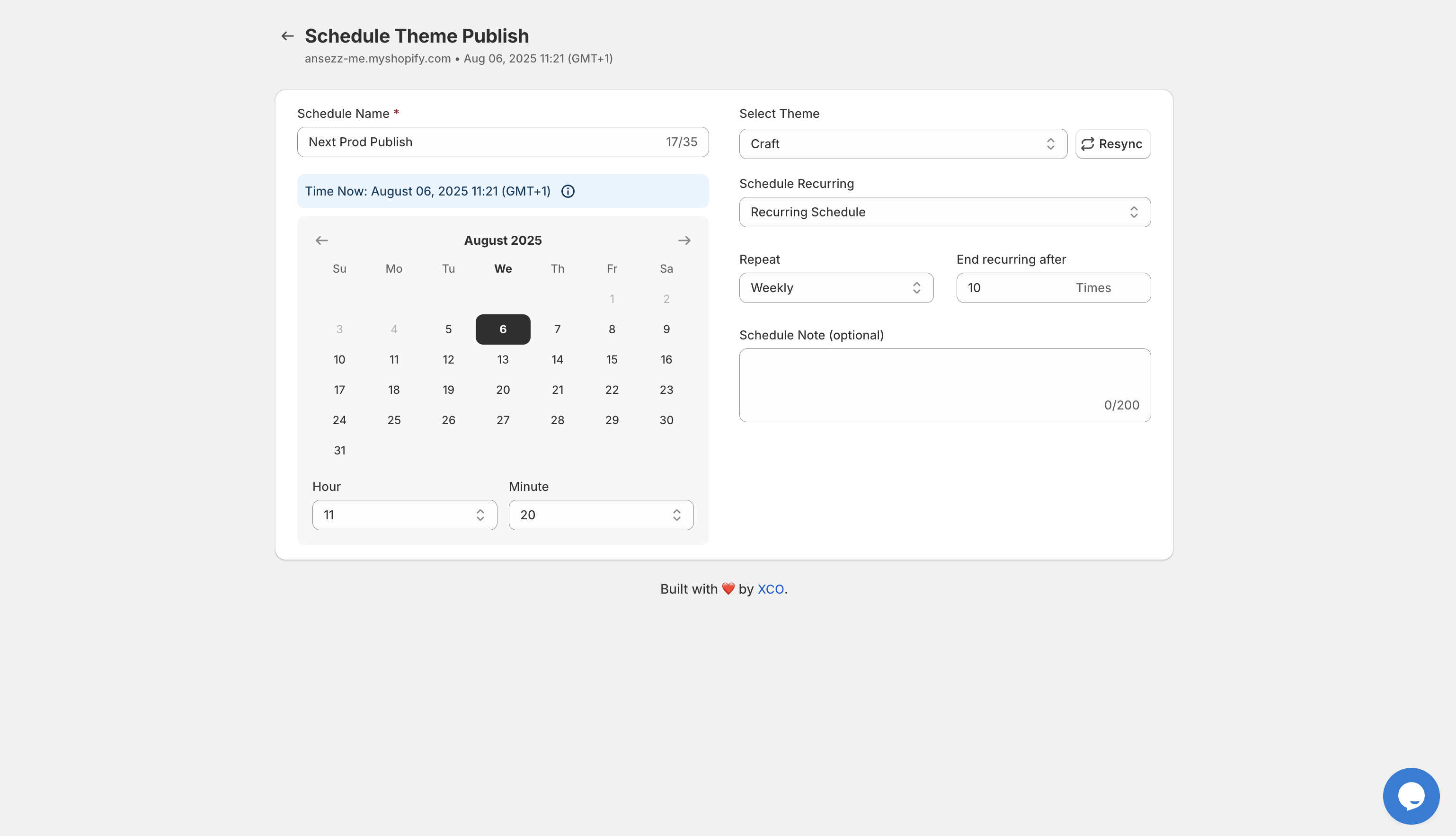
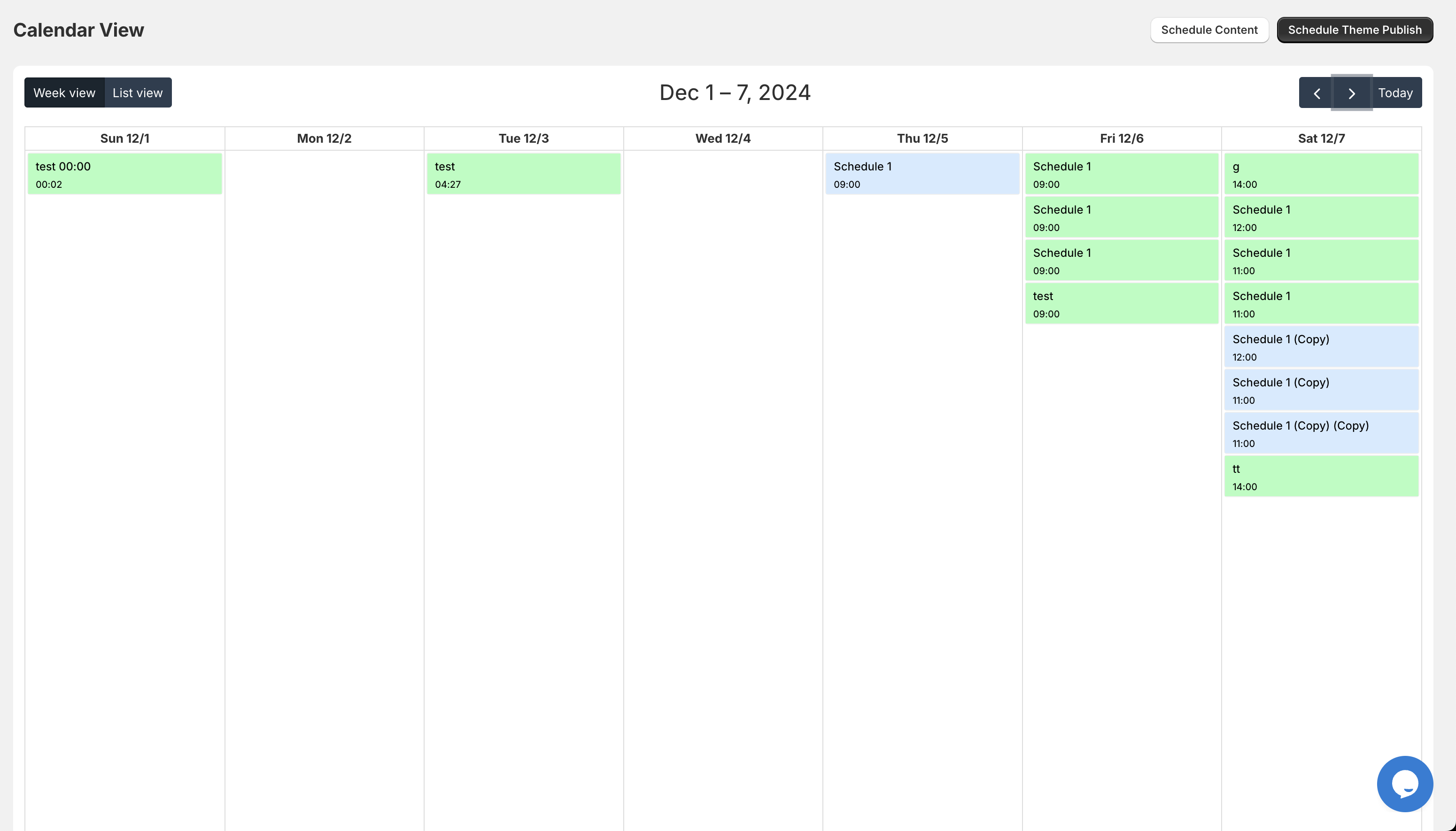
- Utilize a product scheduler and automated workflow tools to coordinate seasonal return policies or promotional extensions seamlessly across your storefront.
Real-World Impact: Before and After
The transformation for our merchant client was dramatic. Within thirty days of launching Claimify integrated with automated Shopify workflows, their average response time plummeted from twenty-four hours to under two minutes for standard requests.
Support ticket volume dropped by nearly sixty percent because shoppers could instantly check status updates and generate labels directly through their accounts. More importantly, the support team transitioned from reactive firefighters into proactive brand advocates, using saved time to drive upsells and assist VIP buyers.
Conclusion: Taking the Proactive Step
Living in your inbox is not a sustainable badge of honor for a growing e-commerce brand. Continuing to handle claims manually drains your team's energy, inflates operational overhead, and frustrates customers when they need support the most.
By migrating to Claimify as your automated self-serve claims portal, you reclaim valuable hours, protect your margins, and deliver the seamless digital experience modern shoppers expect. Making this transition is a vital step toward sustainable enterprise scaling.
If you are ready to modernize your e-commerce operations and eliminate manual bottlenecks, explore our comprehensive services or book a meeting with our Shopify experts today to discuss your custom growth strategy.