
As a Shopify expert, I often encounter merchants who are trapped in the "restock cycle." It starts with a simple spreadsheet and ends with a frantic midnight login to update stock levels before a sale goes live. If you are seeking a way to scale your brand without becoming a full-time inventory clerk, you need to stop babysitting your store.
Inventory management is essentially the laundry of e-commerce: it is never truly finished, and if you ignore it for too long, things start to smell. Many store owners struggle with manual updates because they fear losing control. However, manual processes are the primary source of human error, leading to overselling, stockouts, and frustrated customers. By implementing smart automation, you can run a hands-off store that works while you sleep.
In this guide, I will break down seven automation hacks that will help you reclaim your time and significantly improve your conversion rate optimization by ensuring your best products are always available and perfectly presented.
1. Deploy the Draft Helper for Seamless Product Launches
One of the most tedious parts of a shopify store setup is the transition from "Draft" to "Active." Many merchants manually toggle product statuses when a shipment arrives. This is a recipe for disaster if you are balancing multiple tasks or managing a large catalog.
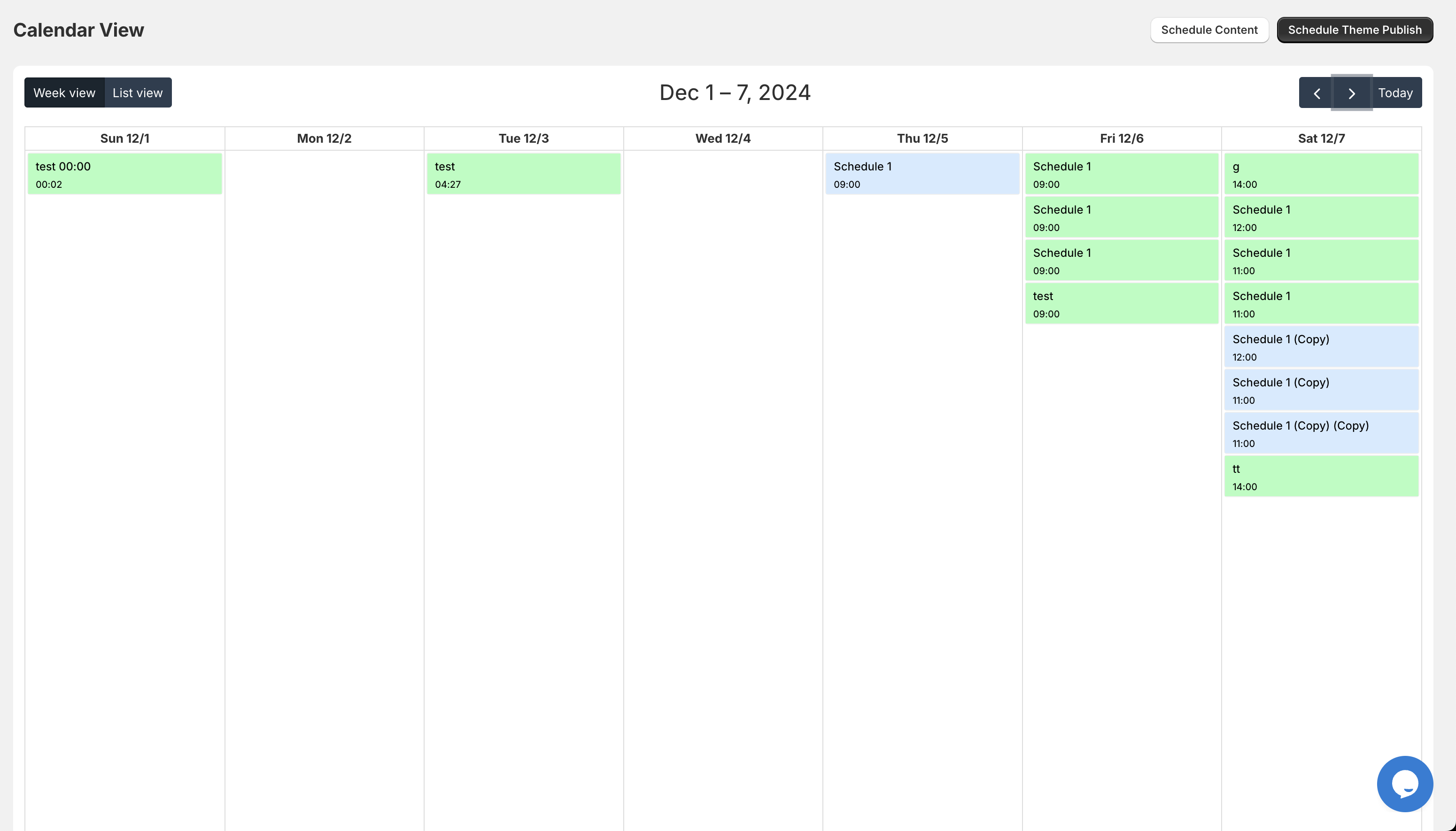
As a Shopify expert, I often work with brands that use the "Draft Helper" feature within the Product Scheduler by Maestro app. Instead of waiting for a restock to happen and then manually clicking through your admin, you can schedule the exact moment a draft product becomes live.
- Select your launch time: Set products to go live the moment your warehouse receives the stock.
- Coordinate with marketing: Ensure your "Back in Stock" emails go out exactly when the product status changes.
- Automate status transitions: Move products from draft to active without lifting a finger on launch day.
2. Set Intelligent Reorder Points with Automatic Alerts
You cannot fix what you do not measure. Most successful merchants use historical data to determine exactly when to restock. Rather than checking your dashboard every morning, you should implement automatic reorder points.
Modern inventory management systems allow you to set thresholds for every SKU. When the stock level hits a specific number (for example, ten units remaining), the system should automatically trigger a notification or a purchase order.
- Calculate lead times: Factor in how long it takes your supplier to ship.
- Set safety stock levels: Always keep a buffer to prevent total stockouts during unexpected demand spikes.
- Automate vendor notifications: Connect your system to send a restock request to your supplier the moment thresholds are met.
3. Master Seasonal Sales with Automated Tag Management
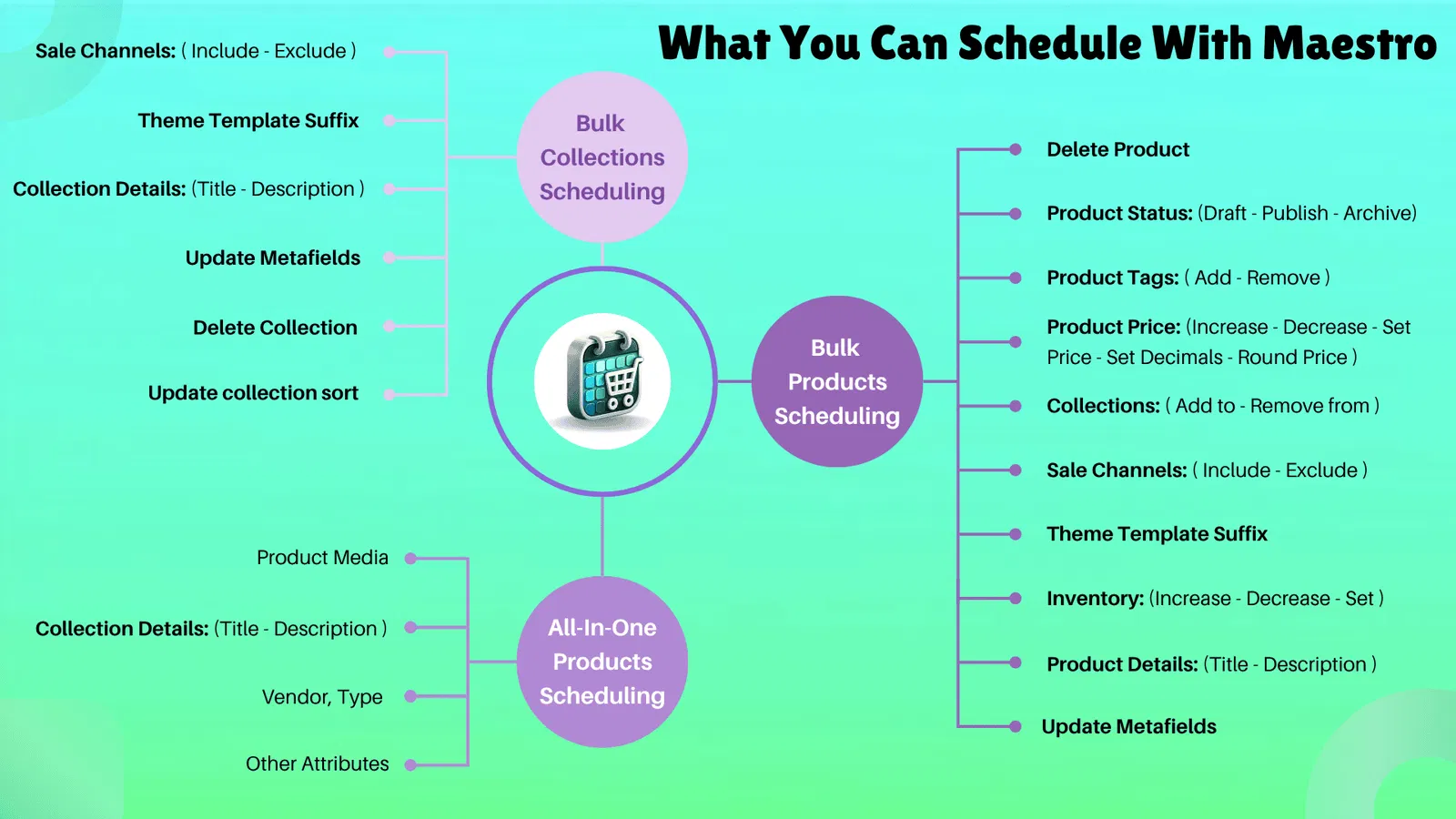
Tags are the invisible engine behind your Shopify store. They control everything from smart collections to search filters. During a restock or a seasonal sale, manually adding or removing tags like "New Arrival," "Restocked," or "Winter Sale" is a massive time sink.
Using automation for tag management allows you to schedule when specific tags appear and disappear. This is vital for maintaining a clean user experience and improving your ecommerce maintenance services workflow.
- Schedule tag additions: Automatically tag products as "New" the moment they are restocked.
- Automate tag removal: Remove "Sale" tags the second a promotion ends to avoid pricing confusion.
- Power smart collections: Use automated tagging to ensure your "Restocked Items" collection is always up to date.
4. Implement Dynamic Price Scheduling and Rounding Rules
Inventory restocks often come with price fluctuations due to shipping costs or supplier changes. Manually updating prices for hundreds of items is not only boring but prone to errors that can hurt your margins.
The Product Scheduler by Maestro allows you to schedule price changes in advance. You can also apply rounding rules to ensure your prices always look professional (for example, $29.99 instead of $30.01).
- Navigate to the price scheduler: Set future price increases or decreases based on your restock schedule.
- Apply global rounding rules: Ensure all updated prices maintain your brand's psychological pricing strategy.
- Sync with promotions: Coordinate price drops with your marketing calendar to boost conversion rates.

5. Optimize Collection Visibility Based on Stock Levels
There is nothing more frustrating for a customer than clicking on a collection only to find that half the products are out of stock. This kills your conversion rate. Automating your collection visibility ensures that customers only see what they can actually buy.
You can use scheduling tools to hide products that are out of stock and automatically show them again the moment a restock is scheduled. This keeps your store looking fresh and prevents the "Sold Out" graveyard look.
- Hide out-of-stock items: Automatically move unavailable products to the bottom of the collection or hide them entirely.
- Schedule visibility: If you know a restock is coming on Friday, schedule the product to reappear on Thursday evening to build anticipation.
- Sort by availability: Ensure your most "in-stock" items are always at the top of the page.

6. Leverage Safety Stock Automation and AI Forecasting
If you are scaling quickly, simple threshold alerts might not be enough. As a Shopify expert, I recommend looking into AI-driven forecasting. These tools analyze your sales velocity and tell you exactly how much stock you need to order to last until the next shipment.
Safety stock automation prevents the costly mistake of ordering too late. By the time you realize you are low, your supplier might already be backed up.
- Analyze sales velocity: Use apps that track how many units you sell per day.
- Automate quantity calculations: Let the system suggest the ideal reorder quantity based on growth trends.
- Minimize overstock: Avoid tying up your cash flow in inventory that is sitting in a warehouse for months.
7. Sync Directly with Suppliers via Integrated Systems
The final step in achieving a truly hands-off store is connecting your Shopify backend directly to your suppliers. Whether you use a Warehouse Management System (WMS) or direct API integrations, the goal is to eliminate the middleman (you).
When your stock reaches a certain level, an automated purchase order (PO) should be generated and sent to your vendor. This ensures a constant flow of inventory without you ever having to send an email. This level of automation is a cornerstone of professional ecommerce maintenance services.
- Integrate your WMS: Ensure your warehouse and Shopify store are speaking the same language in real-time.
- Set up Vendor Managed Inventory (VMI): In some cases, you can allow your supplier to monitor your stock levels and restock you automatically.
- Track shipments automatically: Ensure your "Expected Date" on your product pages updates as soon as the supplier ships the order.

Running a Hands-Off Store with Maestro
The "Product Scheduler by Maestro" app is designed for merchants who value their time. By automating the technical details of product launches, price changes, and visibility, you move away from being a manual operator and toward being a strategic business owner.
Here are simple steps to start your automation journey:
- Install the Maestro app: Navigate to the Shopify App Store and integrate it with your current theme.
- Audit your manual tasks: Identify which tasks (like tagging or price changes) take up the most time during a restock.
- Set your schedules: Use the bulk scheduling features to plan your next month of inventory updates in a single afternoon.
- Monitor and optimize: Check your reports to see how much time you have saved and adjust your strategies for better results.
Automation does more than just save time. It reduces the "human element" that leads to mistakes like selling products you don't have or forgetting to update a sale price. For high-volume stores, this is a vital step in maintaining professional standards.
Conclusion: Take the Proactive Step Toward Automation
Wasting time on manual inventory restocks is a choice, not a necessity. As we have explored, tools like the Product Scheduler by Maestro allow you to automate the launch, tagging, pricing, and visibility of your products with surgical precision.
By implementing these seven hacks, you shift your focus from "keeping the lights on" to "growing the business." You can find more information on how to optimize your store through our Shopify speed optimization services or by exploring our growth strategies.
If you are ready to stop the manual grind and start scaling, I highly recommend looking into the Maestro Theme Scheduler to see how it can transform your workflow. Don't let manual tasks hold your brand back. Take a proactive step today and automate your path to success.
If you need expert help setting up these automations or want to discuss a full shopify store setup, feel free to book a meeting with our team at XCO Agency. We specialize in turning complex e-commerce operations into streamlined, profit-generating machines.