
As a Shopify expert, I often work with high-growth merchants who feel they have hit a glass ceiling within their domestic market. The desire to go global is almost always there, but the perceived complexity of managing multiple currencies, languages, and international tax laws often acts as a significant barrier. In the past, selling internationally meant managing multiple stores or dealing with fragmented third-party apps that rarely talked to each other.
Shopify Markets has fundamentally changed this landscape. It is a centralized management tool that allows you to identify, set up, launch, and optimize your international markets from a single Shopify admin. Whether you are looking to dip your toes into the Canadian market or launch a full-scale European expansion, Shopify Markets provides the infrastructure to do so without the operational headache of duplicating your efforts.
Why High-Growth Merchants are Seeking Global Expansion
Before we dive into the technical how-to, it is vital to understand the benefits that a well-executed global strategy provides. Global e-commerce is no longer a luxury for large corporations; it is a necessity for any brand looking for long-term sustainability.
- Diversified Revenue Streams: Relying on a single economy can be risky. Expanding globally allows you to offset domestic downturns with growth in other regions.
- Extended Product Life Cycles: Seasonal products can find a year-round market by selling across both the Northern and Southern Hemispheres.
- Brand Authority: Being a global brand increases your perceived value and trust in the eyes of your customers.
- Scale Economies: Higher volume across multiple regions can lead to better shipping rates and lower manufacturing costs.
At XCO Agency, we specialize in helping brands navigate these transitions. Whether you are moving from a single-region store or looking for migration to Shopify from a less flexible platform, Shopify Markets is the foundation of your international success.
Understanding the Core Functionality of Shopify Markets
At its core, Shopify Markets allows you to create localized shopping experiences for different geographic regions. A "Market" can be a single country, such as the United Kingdom, or a group of countries, such as the Eurozone.
Centralized Management
The biggest problem Shopify Markets solves is fragmentation. Previously, international settings were scattered across your admin. Now, everything from localized pricing to regional domains is housed in one place. This unified approach ensures that your brand remains consistent while still catering to local preferences.
Localization and Currency
Using Shopify Payments, you can automatically show prices in the customer's local currency. This is not just a cosmetic change. Conversion rates significantly increase when customers can see exactly what they will pay without doing mental math or worrying about hidden conversion fees from their bank.
Language and Content
Localization goes beyond just translating words. It involves cultural adaptation. Shopify Markets integrates with translation apps to ensure your marketing copy, product descriptions, and legal pages resonate with the local audience. This is where the user experience truly shines, as it makes a foreign brand feel like a local one.

Strategic Automation: The Secret to Managing Global Storefronts
When you start managing multiple markets, timing becomes your biggest challenge. A promotion that starts at midnight in Tokyo begins at 4 PM in London and 11 AM in New York. Managing these manual updates is a recipe for burnout and errors.
This is where XCO Agency’s specialized tools come into play. To maintain a professional and synchronized global presence, we recommend using automation to handle the heavy lifting.
Scheduling Content with Maestro Theme Scheduler
Managing theme sections for different time zones is complex. If you have a banner promoting a "Bank Holiday Sale" in the UK, you do not want your American customers seeing it. Using the Maestro Theme Scheduler, you can schedule specific theme sections to show or hide based on your promotional calendar.
- Precision Timing: Ensure your international sales go live at the exact right moment for every region.
- Hands-off Management: Set up your entire month’s worth of international promotions in one afternoon.
- Visual Consistency: Use the scheduler to swap out localized imagery that appeals to specific cultural aesthetics.

Product Management with Product Maestro Scheduler
Global expansion often involves different product availability. You might want to launch a new collection in Europe two weeks before it hits the Australian market. Product Maestro Scheduler allows you to automate product status updates, tags, and even pricing changes across your markets. This ensures that your catalog is always accurate and your growth strategies are executed flawlessly.
How to Set Up Your First Market: A Step-by-Step Guide
If you are ready to begin, the process is straightforward. Shopify will guide you through most of the technical hurdles, but it is important to follow these steps to ensure nothing is missed.
- Access the Markets Dashboard: Navigate to your Shopify admin, click on Settings, and then select Markets.
- Add a New Market: Click the "Add Market" button. You will be prompted to name the market and select the countries or regions you wish to include.
- Configure Localized Pricing: Decide if you want to use the automatic exchange rate or set fixed prices for specific products in that market.
- Set Up Languages: Add the languages you wish to support. Ensure you have a translation strategy in place, whether through AI or professional translation services.
- Assign a Domain: Choose whether to use subfolders (brand.com/en-ca), subdomains (ca.brand.com), or unique top-level domains (brand.ca). For most beginners, subfolders are the best choice for SEO.
- Activate Shipping: You cannot activate a market until you have configured shipping rates for every country within that market. Ensure your Shopify integrations with carriers are correctly set up.
- Review and Go Live: Once your settings are verified, change the status to "Active."
Handling Global Returns and Claims
As your international order volume grows, so will your customer service needs. International shipping carries a higher risk of delays or damage. A poor return experience can destroy your brand reputation in a new market.
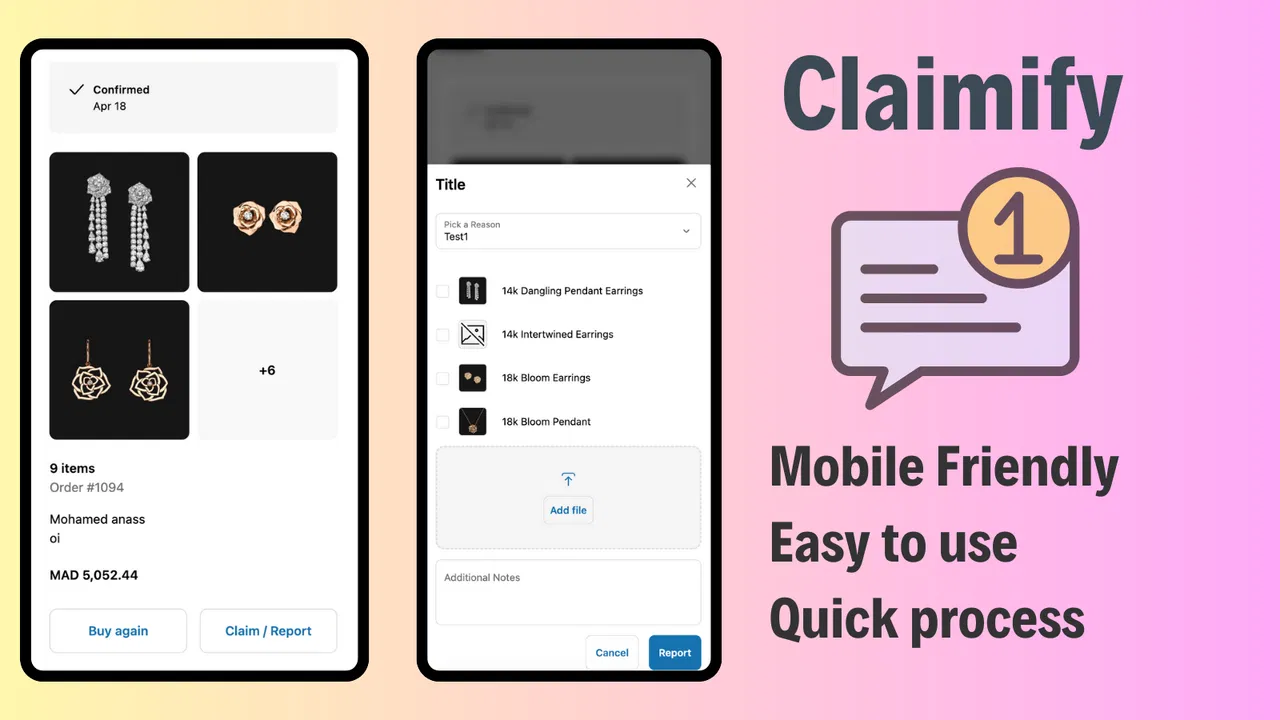
To mitigate this, we recommend integrating Claimify. Claimify provides a professional, mobile-friendly interface for customers to report issues with their orders.
- Self-Service Claims: Allow international customers to submit photos and details of damaged items without waiting for your support team to wake up in a different time zone.
- Streamlined Logic: Set up rules to handle international claims differently, perhaps offering immediate store credit to avoid the high cost of international return shipping.
- Enhanced Trust: A clear, easy-to-use claims process reassures global shoppers that they are protected, which is a vital step in building long-term loyalty.
Advanced Considerations: Hydrogen and Checkout Extensibility
For merchants seeking the absolute cutting edge of performance, Shopify Markets works seamlessly with Hydrogen, Shopify’s headless commerce framework. This allows for ultra-fast, customized storefronts that can be tailored to the millisecond for different regions.
Additionally, with the move toward Checkout Extensibility, you can now customize the checkout experience for different markets. You might want to add a specific trust badge for German customers or a different upsell offer for your primary market in the US. These platform updates are essential for maintaining a competitive edge in 2026.

Proactive Steps for Global Success
Success in global e-commerce is not just about turning on a feature; it is about strategic execution. Here are a few final tips to ensure your expansion is profitable:
- Analyze Your Data: Use your existing analytics to see where your "ghost traffic" is coming from. If 10 percent of your visitors are from Australia but you don't ship there yet, that is your first market.
- Optimize for Speed: International visitors may experience slower load times. Consider Shopify speed optimization to ensure a fast experience regardless of distance.
- Localize Your Marketing: Don't just translate your ads; change the context. Use local influencers and references to make the brand feel native.
- Monitor Taxes and Duties: Shopify Markets helps calculate these, but always consult with a tax professional when entering complex regions like the EU or UK.
Conclusion
Shopify Markets has removed the technical barriers that once kept small and medium businesses from competing on a global stage. By consolidating your operations into one unified dashboard, you can focus on what really matters: your products and your customers.
Scaling a brand internationally is a complex but rewarding journey. It requires the right platform, the right strategy, and the right tools to automate the tedious parts of the job. Whether you need help with Shopify design services to create a multi-regional look or you want to implement advanced scheduling with our Maestro apps, XCO Agency is here to support your growth.
Are you ready to take your brand to the global stage? Book a meeting with our experts today, or explore our full range of services to see how we can help you optimize your Shopify store for the international market. Global expansion is no longer a "someday" goal; with Shopify Markets, it is a "today" reality.