
As a Shopify expert, I often see merchants and marketing teams struggling with the manual labor of store management. Whether it is staying up until midnight to launch a Black Friday sale or waking up at 4 AM to revert a homepage banner after a flash sale ends, the manual approach is a recipe for burnout and human error. In the fast moving world of e-commerce, time is your most valuable asset, and how you spend it determines your ability to scale.
Many store owners are seeking ways to streamline their operations without sacrificing the quality of their custom Shopify themes. They want a storefront that feels dynamic and fresh but they lack the bandwidth to manage every tiny update in real time. This is where automation shifts from being a luxury to a necessity for professional ecommerce maintenance services.
Automating your storefront changes allows you to:
- Regain control of your schedule by planning updates weeks in advance.
- Ensure a seamless customer experience with perfectly timed promotions.
- Reduce the risk of broken layouts or missing banners during high traffic events.
- Focus on high level growth strategies rather than repetitive site edits.
The Reality of Shopify Plus Development and Store Management
In the realm of Shopify Plus development, we build incredibly powerful, high converting stores. However, even the most beautifully designed custom Shopify themes require constant updates to stay relevant. You might have a new product drop on Tuesday, a seasonal clearance starting Friday, and a brand collaboration launching next month.
Traditionally, managing these transitions required a developer or a very tech-savvy store manager to manually publish themes or toggle sections. For high growth brands, this manual process is a bottleneck. It limits how many campaigns you can run and increases the likelihood that a sale price stays active longer than intended or a promotional banner remains visible after the stock is gone.
By integrating automation into your workflow, you transform your storefront into a self-sustaining ecosystem. You move away from reactive "firefighting" and into a proactive state of "set it and forget it" management.
Why Automation is the Secret to Scalable Ecommerce Maintenance Services
Maintaining a Shopify store involves more than just fixing bugs. True ecommerce maintenance services focus on keeping the site optimized for conversions at all times. Automation is the engine that drives this optimization. When you automate your storefront changes, you are essentially hiring a digital assistant that never sleeps and never misses a deadline.
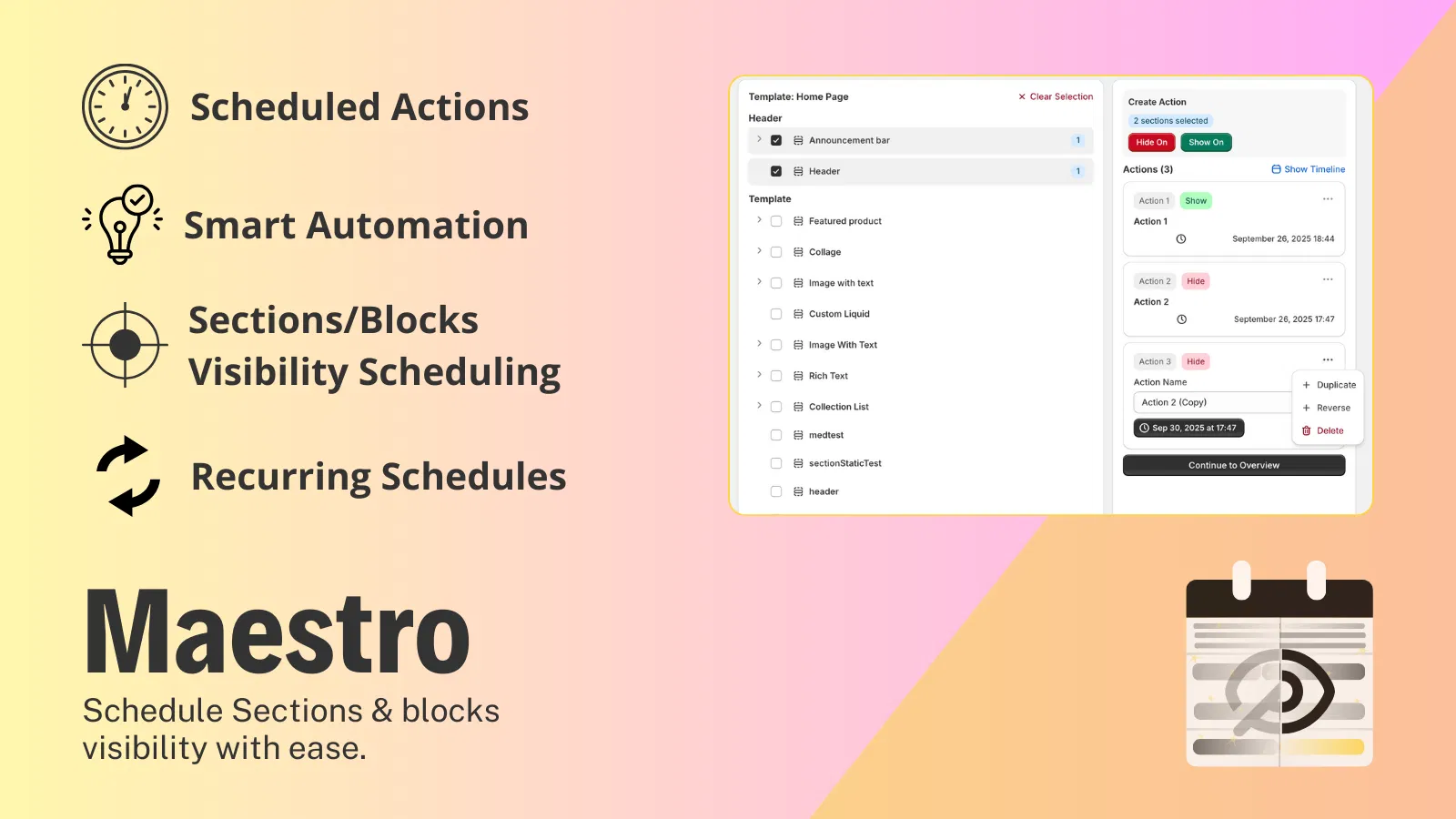
The Maestro Theme Scheduler was built specifically to address these pain points. It provides a centralized command center for all your theme and section level updates. Instead of navigating through multiple layers of the Shopify admin at the moment of a launch, you can configure everything within a few minutes and walk away.
Here is why this matters for your bottom line:
- Precision Timing: Promotions start and end at the exact second you specify, ensuring your marketing alignment is perfect across all channels.
- Consistency: Every page on your site updates simultaneously, preventing the "mismatched" look where the homepage shows a sale but the product pages do not.
- Reduced Overhead: You no longer need to pay team members for "on call" hours during late night launches.
How to Automate Your Storefront in 5 Minutes
Setting up automation does not have to be a complex technical project. With the right tools, you can have your first automated campaign ready to go in less time than it takes to brew a cup of coffee. Follow these simple steps to master your storefront schedule.
Step 1: Install and Connect Your Theme
The first step is to integrate the Maestro Theme Scheduler with your Shopify store. Once installed, the app will sync with your existing library of custom Shopify themes.
- Navigate to the Maestro dashboard within your Shopify admin.
- Ensure all the themes you plan to use for upcoming promotions are currently saved in your theme library.
- Verify that your primary "Live" theme is correctly identified by the app.
Step 2: Define Your Schedule Parameters
Automation is only as good as the instructions you give it. In this step, you will decide exactly when you want your changes to occur.
- Select the "Create New Schedule" option.
- Choose between a one time event, such as a holiday sale, or a recurring schedule, such as a weekly "New Arrivals" highlight.
- Input the specific start and end dates along with the exact times. Maestro handles timezone conversions, so you can plan based on your primary customer base.
Step 3: Select Your Content Levels
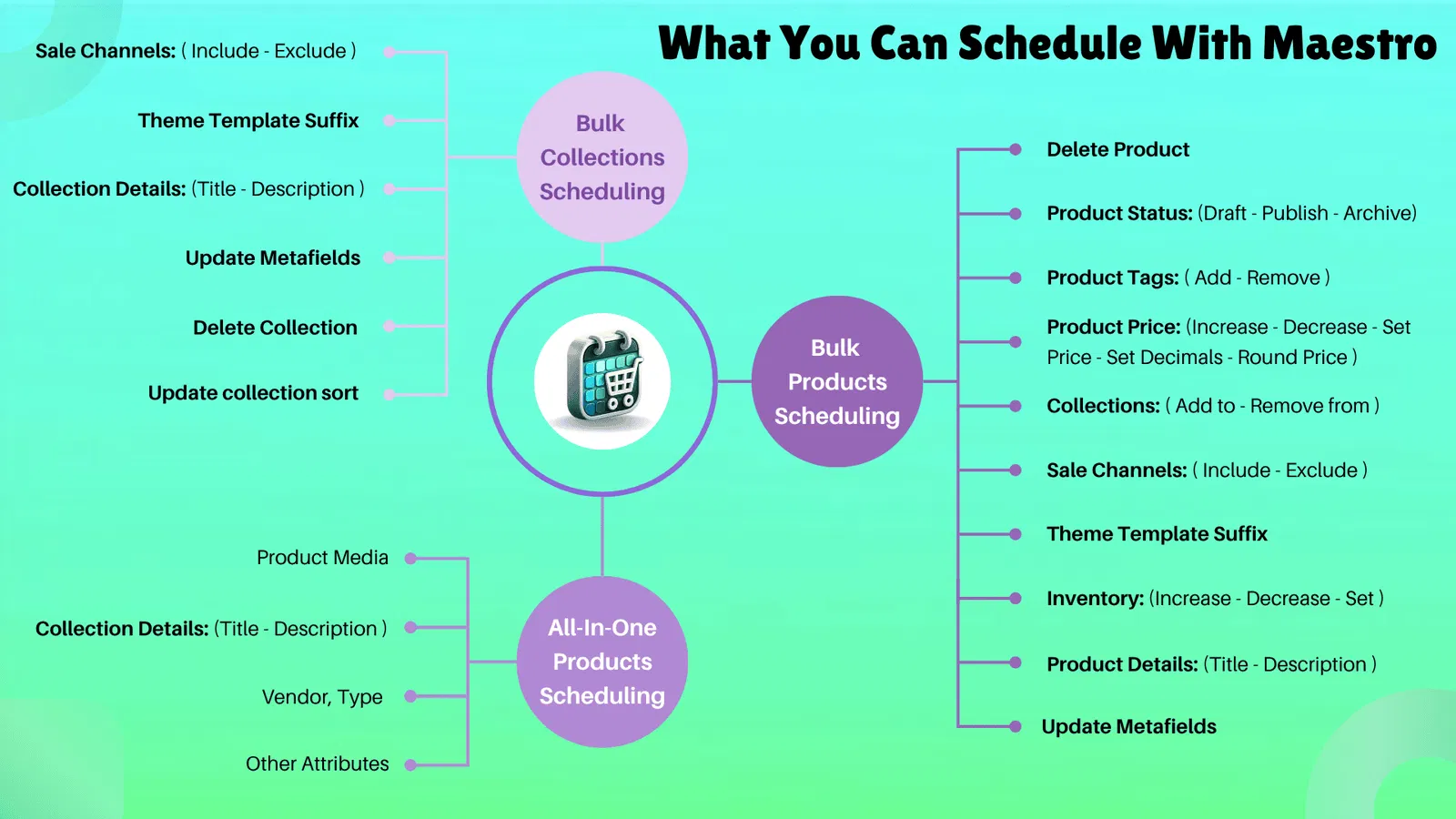
This is where the power of the Maestro app truly shines. You can choose to automate at the theme level or the section level.
- Theme Publishing: If you have built an entirely new version of your store for a major event like Black Friday, select the "Publish Theme" action. This will swap your entire live theme at the scheduled time.
- Section and Block Visibility: For smaller updates, use the section visibility tool. You can choose specific sections within your current theme, like a hero banner or a featured collection, and set them to appear or disappear based on your schedule.
Step 4: Review and Activate
Before finalizing your automation, it is vital to perform a quick review.
- Check the "Timeline" view within the app to see how your scheduled actions overlap.
- Ensure that no two conflicting theme publishes are set for the same time.
- Click "Activate" to let the automation take over.

Advanced Use Cases for Custom Shopify Themes
For brands that invest heavily in custom Shopify themes, the ability to schedule specific sections is a game changer. You do not always want to change your entire theme just to update a promotional bar or a testimonial slider.
Managing Seasonal Promotions
During peak seasons, your store needs to move fast. You might want to show a "Last Minute Shipping" notice only during the final three days before a holiday. By automating this section, you ensure that the notice disappears the moment the shipping deadline passes, preventing customer frustration and support tickets.
Flash Sales and Limited Drops
Flash sales are high pressure events. Using the Maestro app, you can schedule the visibility of a "Flash Sale" collection section to go live at 8 PM and disappear at midnight. This creates a sense of urgency for the customer and removes the manual task of cleaning up the storefront once the sale is over.
Weekly Content Rotations
If your brand focuses on content marketing, you likely update your blog highlights or video sections weekly. Instead of doing this manually every Monday morning, you can batch your work once a month. Spend 20 minutes scheduling four weeks of content, and your store will stay fresh throughout the month automatically.
Optimizing for Shopify Plus Development
Shopify Plus merchants often have more complex needs, including international expansion and multiple storefronts. In these environments, ecommerce maintenance services become even more critical.
Maestro is designed to handle the rigors of Shopify Plus development by offering:
- Multi-Schedule Support: Manage multiple overlapping schedules across different page templates without conflicts.
- Workflow Triggers: Integrate with other Shopify tools to ensure your theme changes are synced with inventory updates or price changes.
- Stability: Automation reduces the risk of theme crashes that can occur when multiple staff members are making manual edits simultaneously in the Shopify editor.

The Benefits of a Set It and Forget It Approach
The primary benefit of automating your storefront is the mental clarity it provides. When you know that your site will update itself accurately, you can redirect your energy toward growth strategies and customer acquisition.
- Error Prevention: Automation eliminates the "oops" moments, like forgetting to turn off a discount banner or publishing the wrong theme version.
- Team Efficiency: Your marketing team can prepare assets and schedules during normal business hours, improving overall company culture and productivity.
- Customer Trust: A storefront that is always up to date and reflects current promotions builds significant trust with your audience.
Conclusion: Taking the Proactive Step
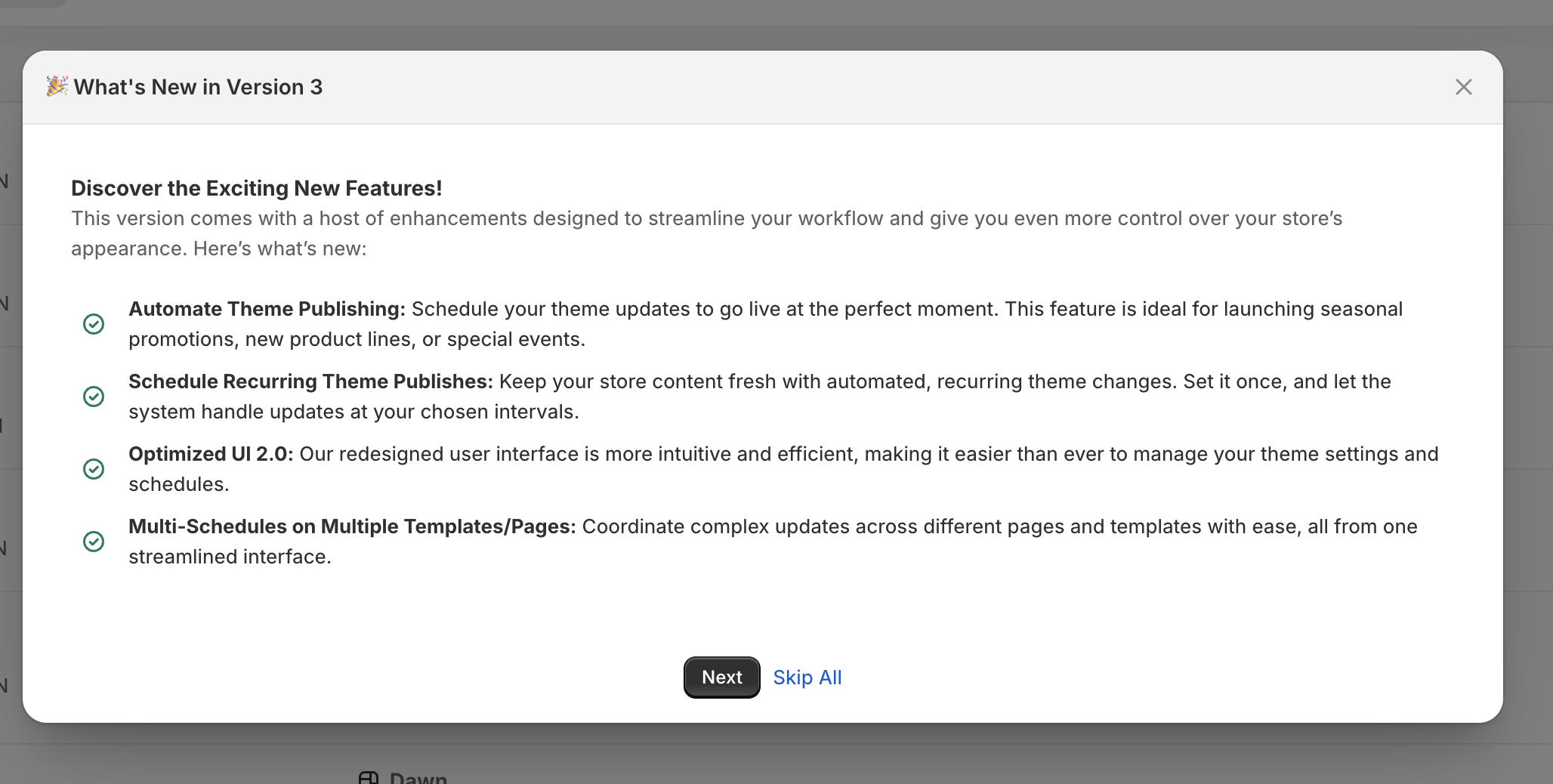
Automating your storefront is a vital step for any merchant looking to scale. By moving away from manual updates and embracing tools like the Maestro Theme Scheduler, you ensure that your custom Shopify themes are always working hard for you, even when you are off the clock.
Whether you are managing a single boutique or a complex Shopify Plus enterprise, the "set it and forget it" nature of theme automation is the ultimate competitive advantage. It allows for precision, efficiency, and a superior customer experience that manual processes simply cannot match.
If you are ready to stop managing your store by the clock and start managing it by strategy, it is time to look into professional Shopify design services and automation tools that do the heavy lifting for you.
Are you ready to reclaim your time and optimize your store for growth? Explore how our team at XCO Agency can help you implement these tools or book a meeting with us today to discuss your next big project.