
As a Shopify expert, I often observe merchants struggling with the exhaustive process of manual theme transitions. Whether it is staying up until midnight to launch a Black Friday sale or rushing to revert a homepage design after a weekend promotion, the manual approach is a significant drain on resources. In the high stakes world of e-commerce, every second of downtime or every visual inconsistency can lead to lost revenue.
Modern store owners are seeking a way to streamline their operations without sacrificing the quality of their storefront. They want to focus on growth strategies rather than getting bogged down in the technical minutiae of theme management. This is where automation becomes a vital part of your ecommerce maintenance services. By automating your theme publishing, you ensure that your store always looks its best exactly when it needs to, without requiring a human being to click "publish" at a specific second.
Using a tool like the Maestro Theme Scheduler allows you to regain control of your time. Here are the primary benefits of automating this workflow:
- Eliminate Human Error: Automation removes the risk of a staff member forgetting to switch a theme or accidentally publishing the wrong version during a high pressure launch.
- Enhanced Precision: You can time your launches to sync perfectly with marketing emails, social media ads, and influencer shoutouts.
- Improved Work-Life Balance: Your team no longer needs to work odd hours or weekends just to handle a theme change.
- Seamless Scalability: As your business grows and you manage multiple seasonal events, automation allows you to plan months in advance.
Why Manual Theme Management is a Growth Killer
For businesses involved in serious shopify plus development, the complexity of custom shopify themes often means that simple updates are not enough. Large scale promotions frequently require entirely different theme architectures to handle high traffic or to showcase specific product collections.
When you manage these changes manually, you are prone to the "midnight scramble." This refers to the frantic period where developers and managers are checking site speed, link integrity, and visual layouts in real time while customers are already trying to shop. If a mistake happens, the recovery time can be costly. By integrating an automated scheduler into your routine, you transform a high stress event into a quiet, background process.

The 5-Minute Setup: How to Automate Your Publishing
Setting up automation does not have to be a technical hurdle. In fact, with the right tools, you can move from a manual workflow to a fully automated schedule in under five minutes.
Step 1: Install and Sync Your Themes
The first step is to ensure your app is properly integrated with your Shopify admin. Once you have installed the Maestro Theme Scheduler, the app will automatically detect your currently installed themes.
- Navigate to the App: Open the Maestro interface from your Shopify dashboard.
- Resync if Necessary: If you have recently uploaded a new custom shopify theme, use the resync button to ensure the app sees the latest version of your library.
- Verify Permissions: Ensure the app has the necessary permissions to modify your live theme settings.
Step 2: Create a New Schedule
Once your themes are visible, you are ready to create your first automated event. This is the core of your automation strategy.
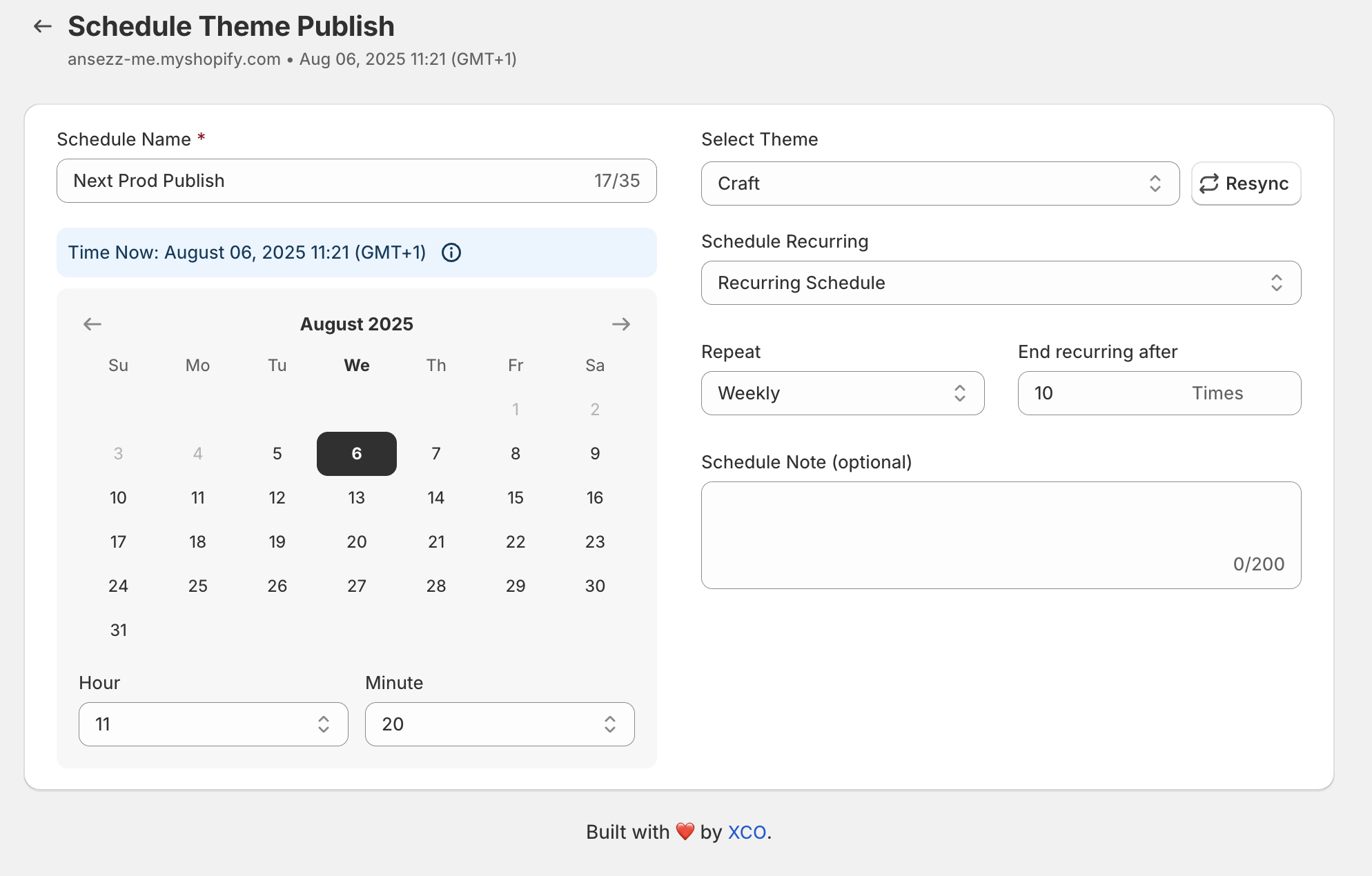
- Name the Event: Give your schedule a clear, descriptive name such as "BFCM 2026 Launch" or "Weekly Summer Drop." This helps you stay organized when managing multiple schedules.
- Select the Target Theme: Choose the specific theme you want to go live. This could be a specialized promotional theme or an optimized version of your current layout.
- Set the Date and Time: Input the exact moment you want the change to occur. The app uses your store's timezone, so there is no need for complex time calculations.
Step 3: Configure Recurring Logic
One of the most powerful features for consistent brand management is the ability to set recurring schedules. If you run a "New Arrival" theme every Tuesday, you can automate this for the entire year in one go.
- Select Frequency: Choose between a one-time event or a recurring schedule (daily, weekly, or monthly).
- Set End Parameters: Decide if the recurrence should happen indefinitely or end after a specific number of occurrences, such as 10 weeks of a seasonal campaign.
- Add Custom Notes: Include internal notes about why this change is happening. This is particularly useful for teams using shopify plus development services where multiple collaborators are involved.
Step 4: Review and Activate
Before finalizing, it is essential to double check your settings. Accuracy at this stage prevents any surprises later.
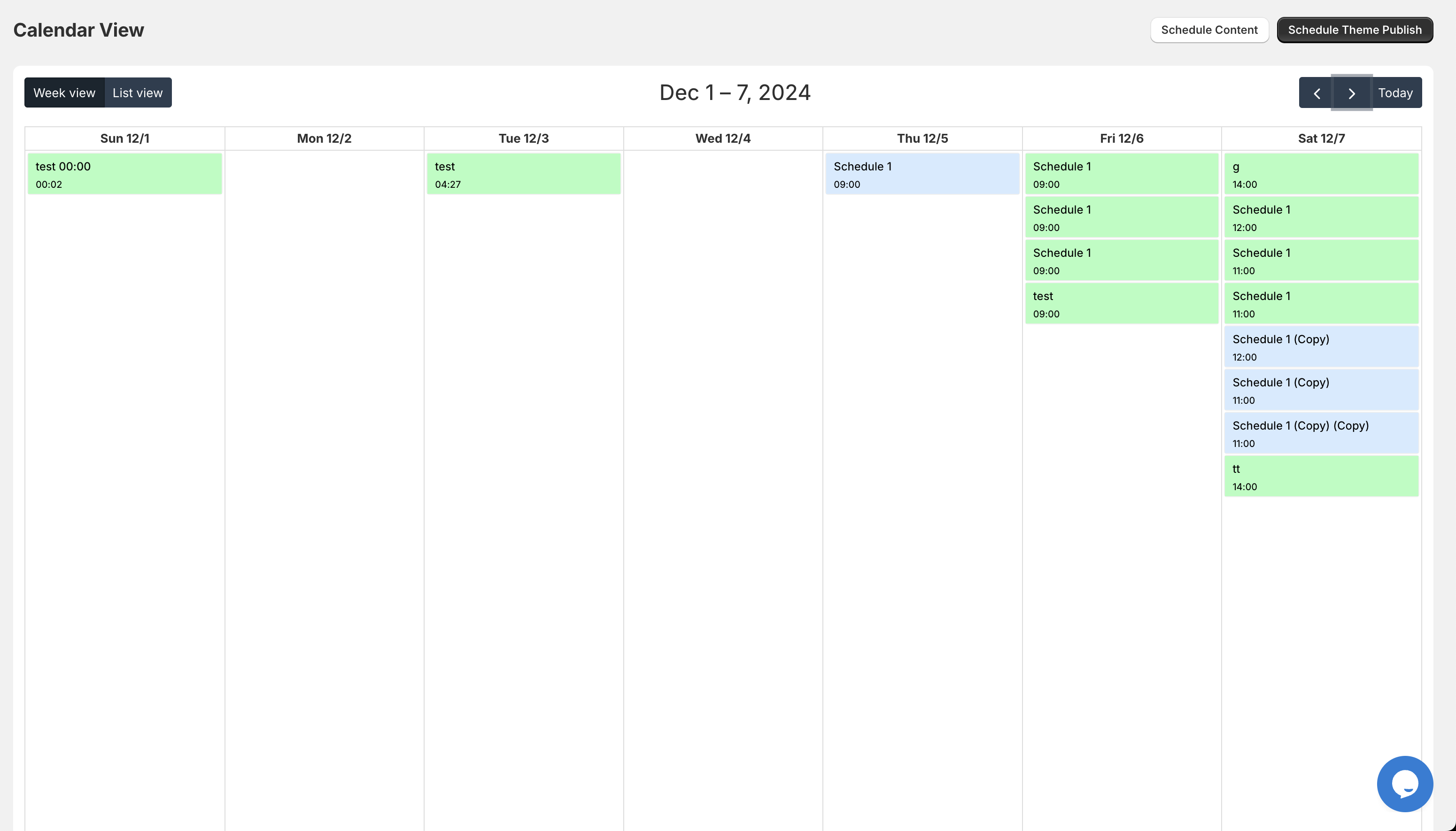
- Check the Timeline: Review your upcoming actions in the app’s timeline view to ensure there are no overlapping schedules.
- Confirm Theme Selection: Verify that you have selected the correct theme ID.
- Save and Enable: Once satisfied, save your schedule. The app will now handle the publishing process automatically at the designated time.
Beyond Publishing: Automating Sections and Blocks
While switching an entire theme is powerful, sometimes you only need to update specific parts of your site. Advanced automation also includes controlling the visibility of individual sections and blocks within a theme.
As a Shopify expert, I often recommend this approach for merchants who want to maintain their core branding but update their promotional banners or product highlights. Instead of swapping the whole theme, you can schedule a "Free Shipping" banner to appear on Friday morning and disappear on Sunday night. This level of granularity is essential for maintaining high Shopify speed optimization standards, as it prevents you from loading unnecessary code for hidden elements.

Use Cases for High-Growth Merchants
Automation is not just a luxury, it is a strategic advantage. Here are a few ways that top tier merchants utilize these tools to stay ahead:
Seasonal Promotions and Flash Sales
For events like Black Friday, Cyber Monday, or limited edition drops, timing is everything. You can schedule your "Sale" theme to go live at 12:00 AM and your "Post Sale" theme to return at 11:59 PM on Monday. This ensures a professional transition that matches your marketing messaging perfectly.
International Timezone Management
If you sell globally, you might want to launch promotions that cater to specific timezones. While Shopify provides some native tools, having a dedicated scheduler allows you to manage these transitions with much more control, especially when dealing with migration to Shopify projects where legacy data and timing are sensitive.
B2B and Wholesale Updates
Merchants utilizing the Shopify B2B wholesale channel often have different visual requirements for their business clients. Automating theme changes for specific wholesale periods or trade show events ensures that your professional partners see the information that is most relevant to them without manual intervention.
The Developer's Perspective on Theme Automation
From a technical standpoint, automation simplifies the deployment pipeline. When working on custom shopify themes, developers often use staging themes to test new features. With a scheduler, the transition from "staging" to "live" becomes a planned event rather than a manual copy-paste job.
This integration is a core component of modern ecommerce maintenance services. It allows developers to focus on building new features and performing shopify design services rather than spending hours on deployment logistics. It also provides a clear "Publish History," which is vital for auditing changes and understanding site performance over time.
Optimizing Your Store for the Future
Adopting automation is a proactive step toward building a more resilient e-commerce business. As you look at your growth strategies, consider how much time your team currently spends on repetitive tasks. Every minute saved on theme management is a minute that can be spent on customer acquisition or product development.
The "set it and forget it" nature of the Maestro Theme Scheduler is designed to give you peace of mind. Shopify will guide you through the initial connection, and the simple steps outlined above will ensure your store stays dynamic and responsive to market trends.
Conclusion: A Vital Step for Professional Merchants
Automating your Shopify theme publishing is no longer a complex task reserved for the most technical users. It is a fundamental requirement for any merchant looking to maintain a professional, high converting storefront. By taking five minutes today to set up your schedules, you prevent hours of potential stress and error in the future.
If you are ready to take the next step in optimizing your store, we encourage you to explore the Maestro Theme Scheduler. For businesses that require more tailored solutions or extensive shopify plus development, our team at XCO Agency is here to help. Whether you need assistance with shopify integrations or a comprehensive audit of your store performance, we provide the expertise needed to scale your business efficiently.
Take control of your storefront today. Book a meeting with us to discuss how we can enhance your e-commerce operations through smart automation and expert maintenance.