
As a Shopify expert, I often encounter merchants who are overwhelmed by the sheer volume of manual tasks required to maintain a professional e-commerce presence. One of the most time consuming aspects of managing a growing store is collection merchandising. When you are launching new products daily or managing a catalog of thousands of SKUs, keeping your "Best Sellers" or "New Arrivals" up to date can feel like a never ending battle.
Many store owners are seeking a way to move away from static, manual organization and toward a more fluid, data driven approach. Automating your Shopify store setup and leveraging tools like Rankify Smart Collections is not just about saving time. It is about ensuring that your most profitable and relevant products are always front and center for your customers.
By implementing advanced automation, you can achieve several critical business objectives:
- Boost Conversion Rates: Automatically move high performing products to the top of your collections to capture customer interest immediately.
- Optimize Inventory Management: Push out of stock items to the bottom and highlight overstocked products to improve cash flow.
- Enhance User Experience: Provide a fresh browsing experience for repeat visitors by ensuring collections reflect the latest trends and sales data.
- Scale Without Friction: Focus on growth strategies instead of manual data entry and product dragging.
The Challenge of Manual Merchandising in Shopify
The default Shopify collection management system is robust, but it has limitations for high volume merchants. If you are involved in Shopify Plus development, you know that the "Manual" sorting option requires a team member to physically drag and drop products into order. While "Automatic" collections based on tags or price exist, they lack the "Smart" logic required for sophisticated merchandising.
For example, a standard automatic collection can show all products with the tag "Summer." However, it cannot automatically sort those products so that the ones with the highest margin or the newest inventory appear first. This lack of dynamic control often results in stale collections where sold out items or low margin accessories clutter the first page, leading to missed revenue opportunities.
Introducing Rankify Smart Collections
Rankify changes the landscape of Shopify store setup by introducing dynamic logic to your collection pages. It acts as an intelligent layer that sits on top of your custom Shopify themes, continuously scanning your product data and reordering your store based on rules you define.
Whether you are performing a migration to Shopify or optimizing an existing store, Rankify allows you to create weighted rule sets. This means you can tell the app to prioritize products based on a combination of factors, such as:
- Sales Performance: Sort by total revenue or quantity sold over a specific period.
- Inventory Levels: Prioritize items with high stock counts to prevent overstocking issues.
- Product Age: Automatically feature "New Arrivals" for the first 30 days.
- Discount Status: Highlight on sale items during promotional periods.
- Custom Tags: Use specific tags to force certain products to the top or bottom.
Core Automation Features That Power Growth
To truly automate your store setup, you need more than just simple filters. Rankify provides a comprehensive suite of features designed for the professional merchant.
1. Weighted Rule Sets
The most powerful feature of Rankify is the ability to create weighted logic. Instead of just sorting by one attribute, you can create a composite score for every product. For instance, you might want your collection order to be determined 50% by sales velocity, 30% by inventory availability, and 20% by how recently the product was added. Rankify calculates these scores in real time and adjusts the collection accordingly.
2. Dynamic Logic Adjustment
As your store grows, your data changes every minute. A product that was a best seller yesterday might be out of stock today. Rankify's automation ensures that your collections are updated continuously. If a product hits zero inventory, the app can automatically move it to the end of the collection or hide it entirely, depending on your Shopify integrations and settings.
3. Reusable Sorting Templates
Efficiency is key in store management. Rankify allows you to build sorting rule sets once and apply them to multiple collections. If you have fifty different brand collections, you do not need to set up rules for each one individually. You can create a "Standard Brand Sort" and apply it across your entire store in seconds.

Step-by-Step Guide to Automating Your Collections
Setting up Rankify is a straightforward process that yields immediate results. Here are the simple steps to get started:
Step 1: Install and Connect
Navigate to the Shopify App Store and install Rankify. Once installed, the app will sync with your existing collection data. If you are working on a new shopify store setup, ensure your product tags and meta-fields are correctly organized first, as these will serve as the foundation for your rules.
Step 2: Define Your Global Rules
Determine what "success" looks like for your merchandising. Most merchants start by creating a global rule that hides out of stock items. Navigate to the rule builder and select "Inventory" as your primary filter. Set the logic to "Move to Bottom" when "Stock is 0."
Step 3: Create Weighted Sorting Logic
This is where the magic happens. Click on "Create New Rule Set" and begin adding your criteria.
- Select "Sales": Set a high weight for products with high sales in the last 7 days.
- Select "Created Date": Add a moderate weight for products created in the last 14 days.
- Select "Discount": Add a weight for products currently on sale if you are running a promotion.
Step 4: Apply to Collections
Once your rule set is ready, select the collections you wish to automate. You can select specific collections or use bulk actions to apply the rules to everything on your site. Rankify will immediately begin reordering the products based on your new logic.
Step 5: Monitor and Refine
Automation does not mean "set it and forget it" forever. Use the Rankify dashboard to see how your collections are performing. You can adjust the weights at any time to respond to seasonal changes or new marketing growth strategies.
Advanced Merchandising for Shopify Plus Merchants
For those utilizing Shopify Plus development, Rankify offers even deeper levels of control. You can use the app to manage complex B2B scenarios or localized storefronts.
In a B2B context, you might want your collections to be sorted by "Package Size" or "Wholesale Availability." By using Rankify in conjunction with the Shopify B2B wholesale channel, you can ensure that your wholesale customers see the most relevant bulk products without manual intervention.
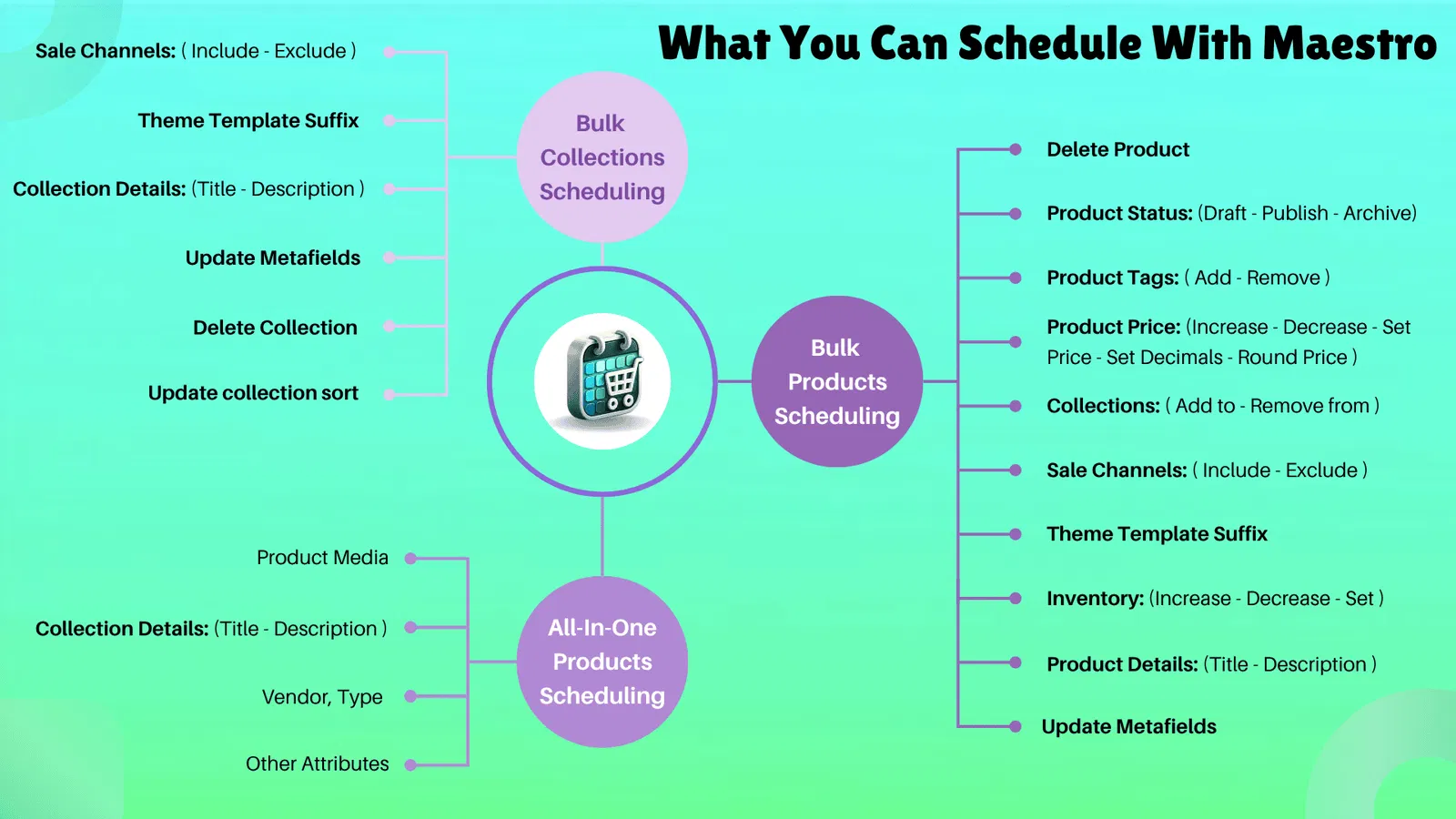
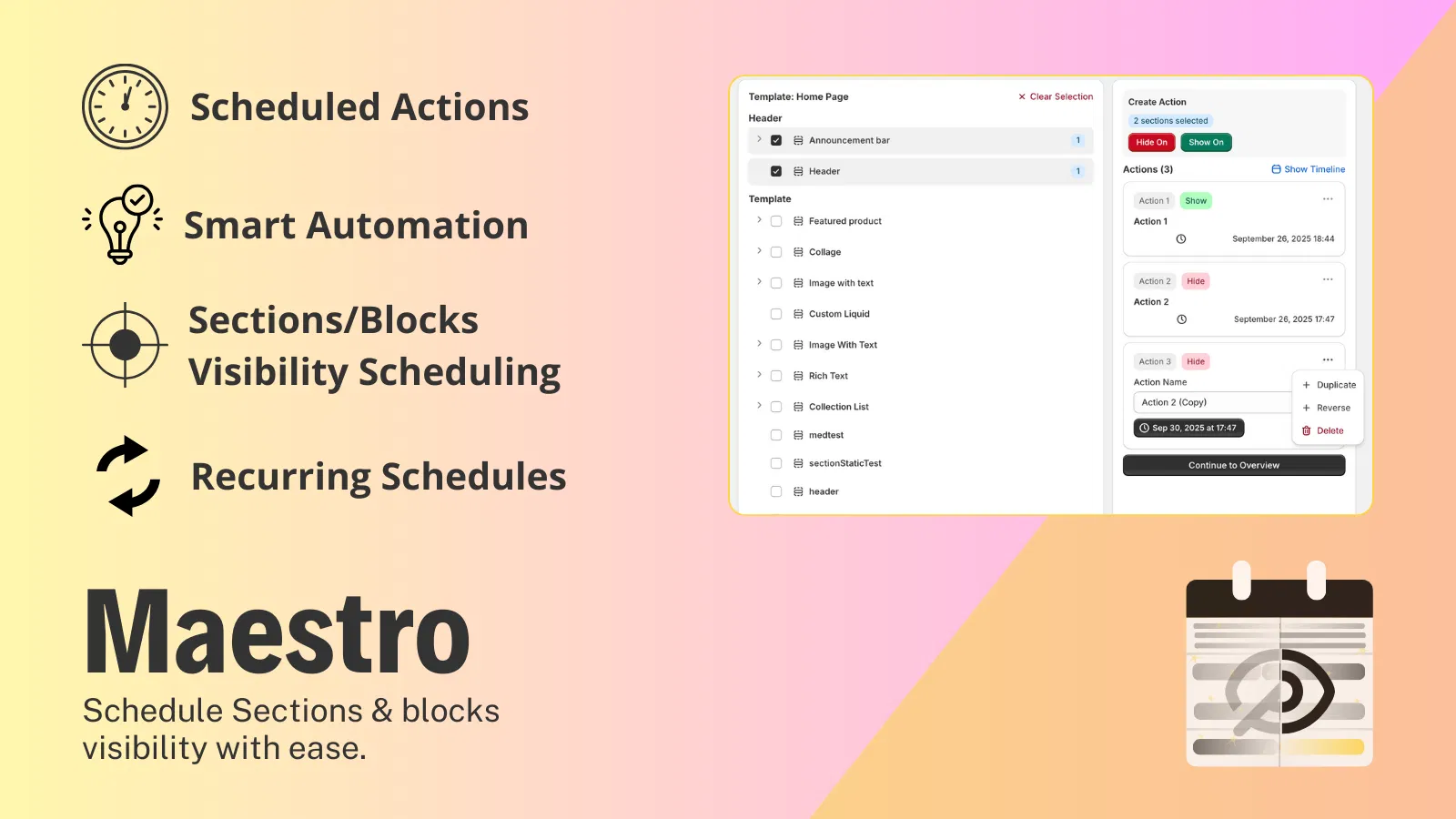
Furthermore, integrating Rankify with scheduling tools like Maestro allows for powerful campaign execution. You can schedule specific collection sorts to go live exactly when a sale starts.

Why Automation is Vital for Modern E-Commerce
The digital marketplace is faster than ever. Customers expect to find what they are looking for within seconds of landing on your page. If your "All Products" collection is a jumbled mess of old stock and sold out items, your bounce rate will skyrocket.
Automating your collection sorting provides a competitive edge by:
- Reducing Human Error: Manual sorting is prone to mistakes. An automated system never forgets to move an out of stock item to the bottom.
- Saving Labor Costs: Instead of paying a merchandiser to spend ten hours a week reordering pages, that time can be spent on high level creative work or speed optimization.
- Improving SEO: Fresh content and frequently updated pages are favored by search engines. Dynamic collections keep your site structure active.
- Increasing Average Order Value (AOV): By strategically placing high margin or frequently bought together items at the top of collections, you encourage larger cart sizes.
Conclusion: Taking the Proactive Step
Automating your Shopify store setup and collection management is a vital step toward building a scalable, profitable business. In the world of e-commerce, time is your most valuable asset. By delegating the repetitive task of product sorting to an intelligent system like Rankify, you free yourself to focus on what truly matters: your customers and your brand vision.
As a proactive step, I recommend auditing your current collections today. How many out of stock products are on your first page? How many "New Arrivals" are actually six months old? If the answer is more than zero, it is time to embrace automation.
At XCO Agency, we specialize in helping merchants navigate these technical hurdles. Whether you need a full migration to Shopify, a custom theme design, or assistance with Shopify integrations, our team is here to ensure your store is optimized for peak performance.
Ready to transform your merchandising strategy? Book a meeting with us today to discuss how we can power up your Shopify store with smart automation and expert development.