
As a Shopify expert, I often work with merchants who are struggling to maintain the visual hierarchy of their online stores. While Shopify provides basic sorting options like "Best Selling" or "Newest," these native tools frequently fall short for growing brands. The problem is that static sorting doesn't account for the complexity of modern retail. A "Best Selling" product that is currently out of stock should not occupy the top spot on your collection page. Similarly, a high-margin item that is starting to trend should be pushed to the front to maximize profit.
Manual sorting is the traditional answer to this problem, but it is fundamentally unscalable. I have seen store managers spend upwards of ten hours a week just dragging and dropping products in the Shopify admin. This is a massive drain on resources that could be spent on high-level strategy, shopify plus development, or marketing initiatives. This is where Rankify Smart Collections changes the game by offering automated, dynamic merchandising that reacts to your store data in real time.
In this guide, I will explain how you can leverage Rankify to automate your collection sorting in minutes, allowing you to focus on growing your business while the software handles the heavy lifting of visual merchandising.
Why Automated Collection Sorting is Vital for Your Store
Before we dive into the "how," we must understand the "why." Your collection pages are often the first place a customer lands after clicking an ad or a search result. If the first thing they see is a row of out-of-stock items or products that are irrelevant to their needs, your conversion rate will suffer.
Here are the primary benefits of implementing automated sorting:
- Boost Conversion Rates: By ensuring your best, most available products are always at the top, you reduce friction in the buying process.
- Enhance Inventory Management: Automatically push low-stock items to the bottom to avoid customer frustration and promote products that you need to move quickly.
- Save Valuable Time: Eliminate the need for daily manual updates by setting rules once and letting them run indefinitely.
- Optimize for Profitability: Use weighted rules to prioritize high-margin items over lower-profit bestsellers.
If you are looking to further refine your store performance, you might also consider a boost to your store's UX and conversion rate with an optimization audit report to see how collection sorting fits into your larger growth strategy.
The Power of Weighted Rule Sets
The standout feature of Rankify is its use of weighted rule sets. Most basic sorting apps allow you to pick one criteria: sort by price, or sort by date. Rankify allows you to combine multiple factors into a single logic engine.
For example, you can create a rule that gives a 50 percent weight to sales performance, a 30 percent weight to inventory levels, and a 20 percent weight to product age. This ensures that your collection is always a mix of what is popular, what is in stock, and what is new. This level of control is essential for any professional shopify store setup where brand identity and inventory health are equally important.
Key Sorting Criteria You Can Automate
Rankify allows you to pull from various data points within your Shopify store to create the perfect sort order. Understanding these variables is the first step toward effective automation.
1. Inventory Levels
Nothing kills a sale faster than a customer clicking on a product only to find it is out of stock. Rankify can automatically move products with zero or low inventory to the bottom of the collection. Conversely, you can push products with high inventory to the top if you are looking to clear warehouse space.
2. Sales Performance and Velocity
You can sort by total sales or sales over a specific period (e.g., the last 7 or 30 days). Sorting by velocity is particularly effective because it identifies what is "hot" right now, rather than what was popular six months ago.
3. Product Age
In fashion and seasonal industries, "newness" is a major driver of clicks. Rankify lets you automatically feature your newest arrivals at the top of the page without manual intervention every time you launch a new drop.
4. Tags and Product Type
If you use specific tags for promotions or internal categorization, you can use these to influence the sort order. For instance, you could tag products as "Featured" and give that tag a high weight in your Rankify rule set.
5. Price and Discount Status
During sale periods, you may want to lead with your biggest discounts. Rankify can identify products with a "Compare at price" and prioritize them to catch the eye of bargain hunters.

How to Set Up Rankify in 4 Simple Steps
Setting up automated sorting is designed to be a "set it and forget it" process. Here are the simple steps to get your collections organized.
Step 1: Install and Integrate
First, navigate to the Shopify App Store and install Rankify. Once installed, it integrates directly with your Shopify admin. Unlike complex external tools, you do not need to leave your dashboard to manage your rules. This seamless integration is a hallmark of high-quality shopify plus development tools.
Step 2: Create Your First Rule Set
Navigate to the Rule Sets section of the app. Click on "Create New Rule Set." Give your rule set a descriptive name, such as "Standard Seasonal Sort" or "Clearance Logic."
Step 3: Define Your Sorting Logic and Weights
This is where the magic happens. You will add the criteria mentioned earlier.
- Select "Inventory" and set it to "Descending" to keep high-stock items up top.
- Select "Sales Velocity" and give it a high weight value (e.g., 50).
- Select "Newest" and give it a moderate weight (e.g., 20).
Rankify will then calculate a "score" for every product in your collection based on these weights and sort them accordingly.
Step 4: Apply to Your Collections
Once your rule set is saved, you can apply it to a single collection or every collection in your store with a few clicks. If you are in the process of a new shopify store setup, you can even create new collections directly within Rankify based on dynamic rules.
Advanced Merchandising Strategies for Growth
Once you are comfortable with the basics, you can start using Rankify for more advanced merchandising tactics. As an expert, I often recommend these strategies to high-volume merchants.
Seasonal Overrides
If you are running a Black Friday sale, your standard sorting might not be optimal. You can create a temporary rule set that prioritizes "On Sale" items and "Inventory" over "Newness." With Rankify, you can switch the logic for your entire store in seconds.
Brand-Specific Sorting
If your store carries multiple brands, you might have specific agreements with certain vendors to feature their products. You can use tags to ensure specific brands always appear in the first two rows of your collections, regardless of their sales volume.
Improving User Experience
Good sorting is a vital part of user experience. When products are organized logically, customers find what they want faster. To further enhance your store's usability, you might consider other small but impactful changes, such as adding a favicon to your website or ensuring you show discount info clearly.
The Connection to Custom Shopify Themes
If you are using custom shopify themes, you might worry about how a third-party sorting app will interact with your unique code. Rankify is built to be compatible with most modern Shopify themes, including those built with Online Store 2.0. Because the sorting happens at the database level before the collection is rendered, it generally does not interfere with custom liquid code or front-end filters.
For merchants who require highly specialized layouts, combining Rankify with custom development ensures that your store not only looks unique but functions with the efficiency of a world-class e-commerce platform. Whether you are adding a custom font to your store or building a completely bespoke collection page, automated sorting provides the data-driven foundation your design needs.

Scaling with Shopify Plus
For those on Shopify Plus, the stakes are even higher. High traffic volumes mean that even a 1 percent increase in conversion rate due to better sorting can lead to thousands of dollars in additional revenue. Rankify scales effortlessly with large catalogs, ensuring that even collections with thousands of SKUs are updated in real time as sales happen and stock levels fluctuate.
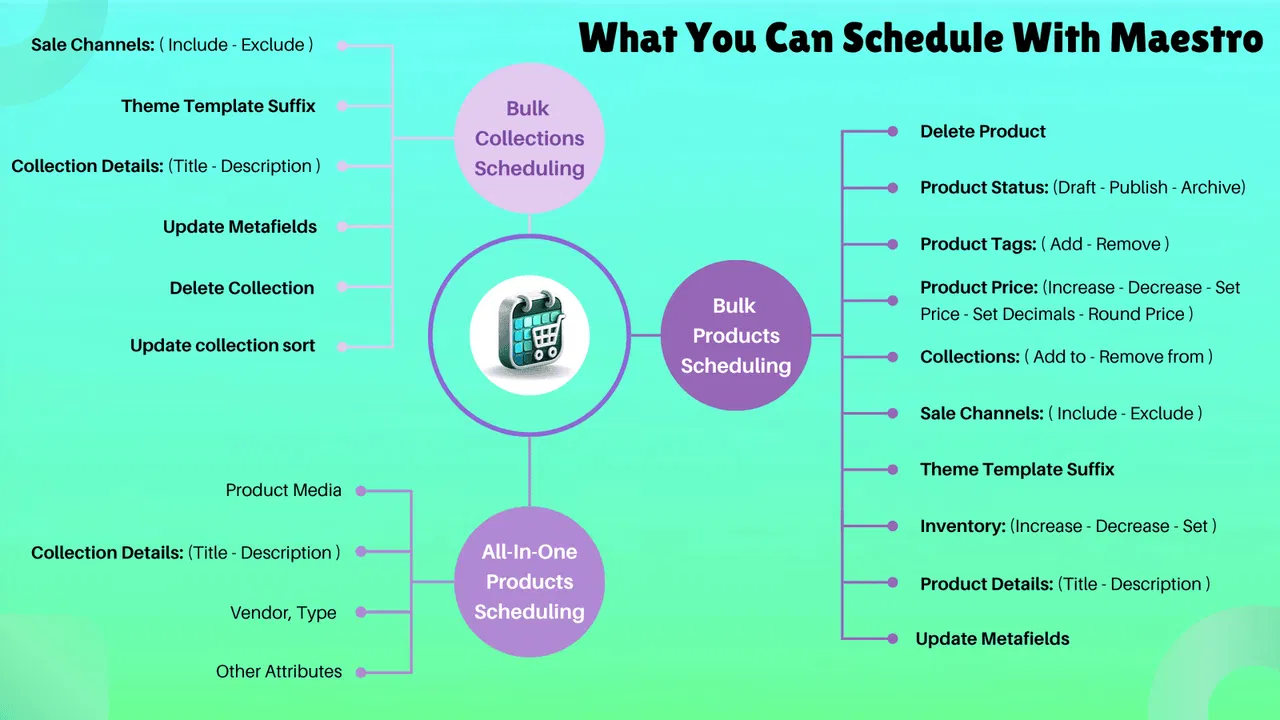
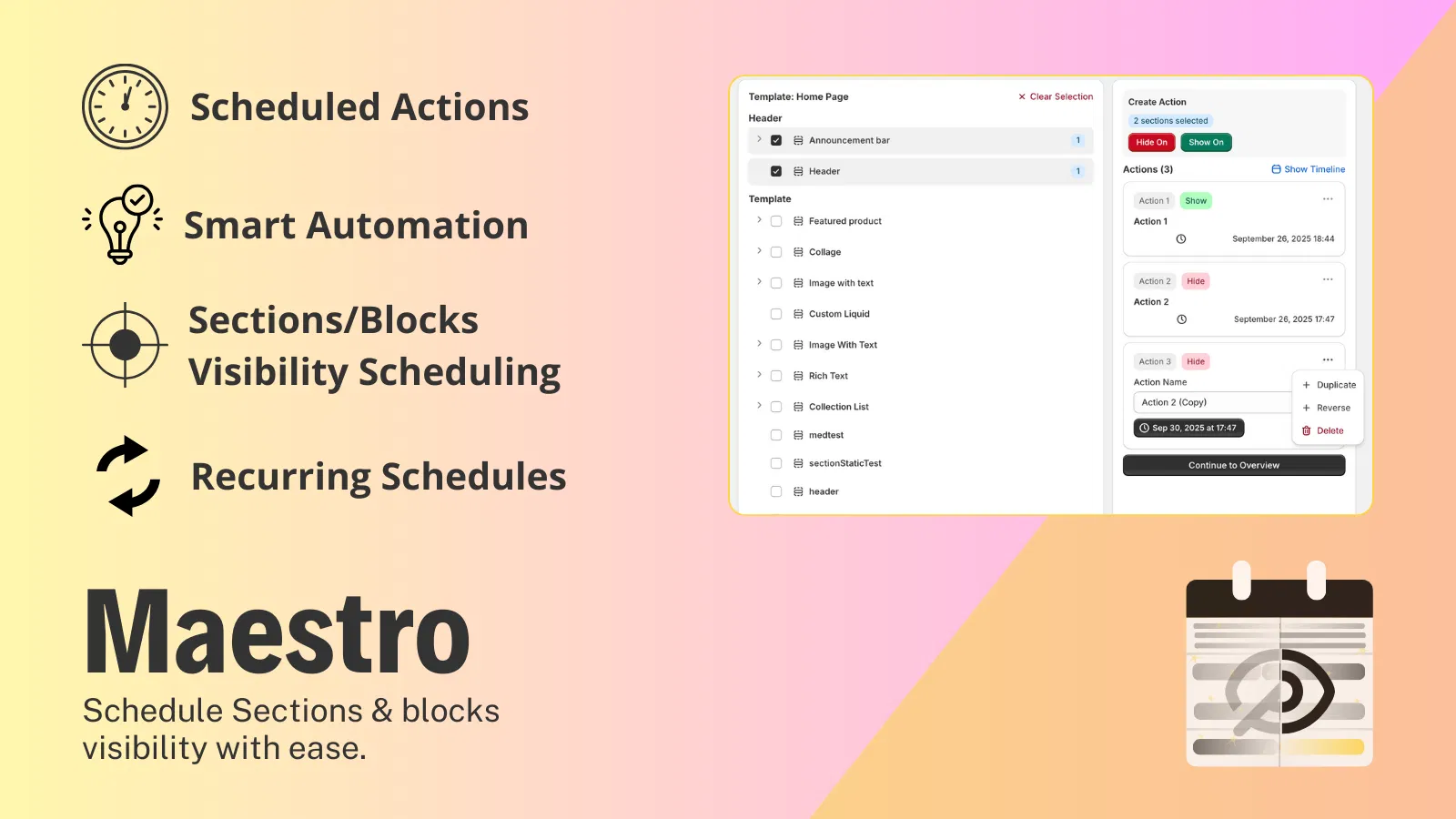
Managing a Plus store often involves complex scheduling. While Rankify handles the sorting, you might also use tools like Maestro for scheduling theme content and automated updates to ensure your entire storefront remains synchronized.
Conclusion: Taking the Proactive Step Toward Automation
Automating your Shopify collection sorting is no longer a luxury reserved for the biggest brands. It is a vital step for any merchant who wants to remain competitive in an increasingly automated retail landscape. By moving away from manual "drag and drop" sorting and embracing the weighted rule sets of Rankify, you ensure your store is always optimized for both the customer experience and your bottom line.
The minutes you spend setting up Rankify today will save you hundreds of hours over the course of the year. It allows your store to become a living, breathing entity that reacts to customer behavior and inventory changes without you having to lift a finger.
If you are ready to power-up your store merchandising or need expert help with shopify plus development and shopify store setup, XCO Agency is here to guide you. Our team specializes in creating high-performance e-commerce environments that leverage the best in automation technology.
Don't let your collections remain stagnant. Take the proactive step today and let Rankify transform how you present your products to the world. For more insights on optimizing your Shopify store, feel free to explore our blog for more expert tips.