
As a Shopify expert, I often work with brand owners who are exhausted by the manual labor of running an online store. I see the same pattern repeatedly: a team prepares for a major seasonal sale or a new collection drop, only to realize that someone has to stay awake until midnight to click the "Publish" button. This manual approach is not just a drain on your energy; it is a significant risk to your business operations.
When you are manually managing product launches, you are opening the door to human error. A single missed tag or an incorrect price can lead to customer confusion, lost revenue, and a support inbox full of complaints. To build a truly scalable business, you must move beyond manual tasks and embrace automation.
Automating your product launches allows you to:
- Recover your personal time by eliminating the need for manual midnight updates.
- Ensure 100 percent accuracy in pricing and inventory levels across your entire catalog.
- Improve your conversion rate optimization by ensuring all marketing materials and products go live simultaneously.
- Streamline your shopify store setup for recurring seasonal events and promotions.
- Reduce the workload on your team, allowing them to focus on high-level growth strategies rather than administrative maintenance.
The Problem With Manual Store Management
The traditional way of launching products on Shopify is fraught with tension. Most merchants are seeking a way to manage their store that does not require them to be tethered to a laptop during weekends or holidays. Without the right tools, you are stuck with a list of tasks that must be performed in a precise order: publishing drafts, updating navigation menus, adding promotional tags, and adjusting prices for the sale period.
This is where many businesses struggle. They have great products and excellent marketing, but the technical execution of the launch is a bottleneck. If you are looking for professional ecommerce maintenance services, the first step is often identifying which of these repetitive tasks can be offloaded to a reliable system.
Introducing Product Scheduler by Maestro
To solve these challenges, we developed the Product Scheduler by Maestro app. It is designed to act as your digital store manager, handling the repetitive "heavy lifting" of product management while you sleep. Here are simple steps to take back your time and automate your next launch in under five minutes.
Step 1: Use the Draft Helper for Scheduled Launches
The most fundamental part of a launch is moving products from "Draft" status to "Active." While Shopify has basic scheduling features, they can be limited when you are managing hundreds of items across multiple collections.
-
Navigate to the Draft Helper
- Open the Product Scheduler by Maestro app within your Shopify admin.
- Select the products you wish to include in your upcoming launch.
-
Set Your Publication Date
- Choose the exact date and time for the products to go live.
- Ensure the time zone matches your target market to maximize initial traffic.
-
Configure Post-Launch Actions
- You can also schedule products to move back to "Draft" or "Archive" status once a limited-edition run is over.
- Shopify will guide you through the selection process, making it easy to see exactly which items are queued for publication.
Step 2: Automate Tag Management for Seasonal Sales
Tags are the invisible engine behind many Shopify stores. They power your filters, your automated collections, and even your marketing triggers. During a sale, you often need to add "Sale" or "Black Friday" tags to hundreds of products at once and then remove them the moment the sale ends.

Here are the steps to automate your tagging:
- Select your criteria: Choose products based on their current collection, type, or vendor.
- Schedule tag addition: Set a time for the "Summer Sale" tag to be added to all selected items.
- Schedule tag removal: Set a second action to remove that tag at the end of the promotional period.
By automating this process, you ensure that your "Sale" collection is always populated with the correct items without manual intervention. This level of precision is vital for maintaining a professional storefront that customers trust.
Step 3: Schedule Price Changes and Rounding Rules
Pricing is perhaps the most sensitive part of any e-commerce operation. Mistakes here are costly. The Product Scheduler by Maestro allows you to schedule price increases or decreases with surgical precision.
-
Define Your Discount
- Select whether you want to decrease prices by a percentage or a fixed dollar amount.
- Apply these changes to specific products or entire collections.
-
Apply Rounding Rules
- Use the app to automatically round your prices to the nearest .99 or .00.
- This ensures your store maintains a consistent, professional look that is proven to help with conversion rate optimization.
-
Set the Rollback
- The app can automatically revert prices to their original state once your promotion ends.
- This eliminates the "post-sale panic" of having to manually reset your entire catalog.
Step 4: Inventory Automation and Restocks
Managing inventory visibility is a key component of effective ecommerce maintenance services. You do not want customers landing on product pages that are out of stock, nor do you want to manually hide products every time they sell out.
- Coordinate restocks: Schedule a product to become visible only when a new shipment is expected to arrive.
- Manage visibility: Set rules to hide products automatically when inventory hits zero, ensuring your store always looks fresh and available.
- Sync with sales channels: Use the app to ensure your products are published to the correct sales channels (like Facebook or Instagram) at the right moment.
Managing Collection Visibility and Sorting
Once your products are live, how they are presented in your collections is what determines whether a customer makes a purchase. If your newest, most exciting products are buried on page four of a collection, you are losing money.
The Product Scheduler by Maestro allows you to schedule changes to collection sorting. You can set a rule to move "New Arrivals" to the top of the list for the first 48 hours of a launch, then revert to "Best Selling" once the initial hype has settled. This proactive step ensures that your most relevant content is always front and center.
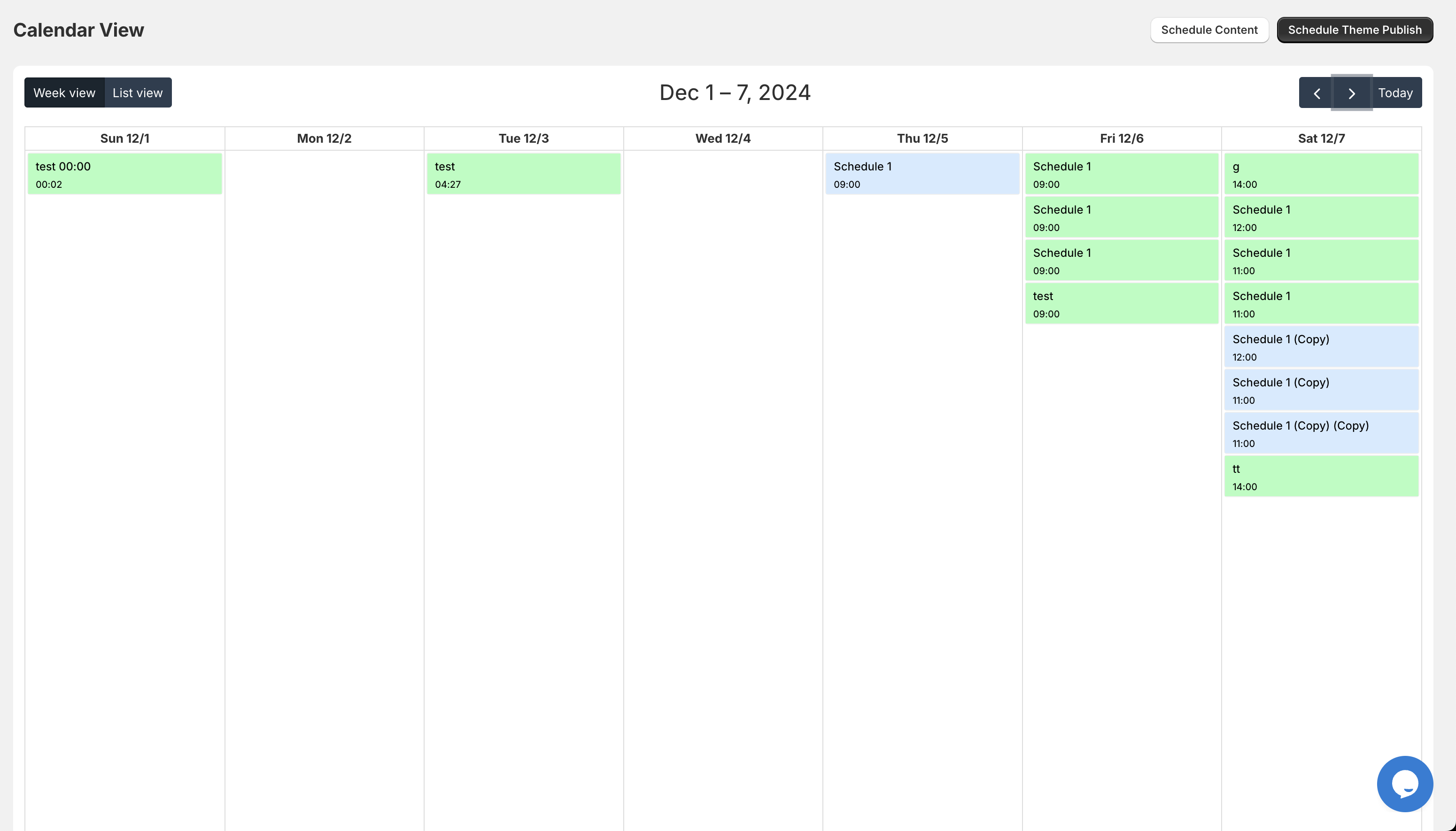
Why Automation is Essential for Growth
In the world of high-growth e-commerce, speed and reliability are your most valuable assets. When you use a tool like Product Scheduler by Maestro, you are not just saving time; you are building a more resilient business.
A well-executed shopify store setup should include these automated workflows from day one. It allows you to run a hands-off store that operates with the precision of a much larger enterprise. Whether you are a solo entrepreneur or managing a large team, the ability to plan your work in advance and then step away is a game-changer for your mental health and your bottom line.
Using these tools also helps with your overall shopify speed optimization strategy. By scheduling updates during off-peak hours, you can ensure that your store remains fast and responsive for your customers during high-traffic periods.

Taking the First Step Toward a Hands-Off Store
If you are tired of the midnight alarms and the constant fear of making a mistake during a launch, it is time to change your approach. Automating your product management is a vital step in moving from a "hustle" mindset to a "scalable" mindset.
Here is a summary of why this transition is necessary:
- Accuracy: Automation removes the risk of human error in pricing and tagging.
- Consistency: Your store updates precisely when you want it to, every single time.
- Efficiency: You can plan a month of sales and launches in a single afternoon.
- Scale: You can manage a catalog of thousands of products as easily as a catalog of ten.
After completing the initial setup of your automation rules, you will find that the time you save can be reinvested into what really matters: growing your brand and connecting with your customers.
As a Shopify Plus partner, XCO Agency is dedicated to helping merchants find these efficiencies. Whether you need help with a custom shopify store setup or you are looking for advanced ecommerce maintenance services, we are here to support your journey.
Schedule a consultation with our team today to learn how we can help you optimize your store for success. Do not let another launch keep you awake until midnight. Take control of your schedule and your store with the power of automation.