
As a Shopify expert, I often work with merchants who are drowning in their own success. Their SKU counts are climbing, their seasonal promotions are getting more complex, and their "To-Do" lists for product updates are longer than a CVS receipt. It is a common scene: a store owner sitting in front of a glowing monitor at 11:45 PM on a Thursday, manually toggling product statuses from "Draft" to "Active" just to ensure a midnight launch goes off without a hitch.
But here is the truth: it is May 2026. If you are still manually editing individual product listings, you are not just wasting time; you are actively hindering your brand's ability to scale. The "hands-off" store is no longer a futuristic dream for the giants like Amazon or Walmart. It is a standard operational requirement for any Shopify Plus merchant looking to stay competitive.
In this guide, I will break down why manual catalog updates are obsolete and how you can transition to a strategic, automated workflow using the Product Scheduler by Maestro app.
Why Manual Catalog Maintenance is a Growth Killer
When you are first starting with your shopify store setup, manual updates feel manageable. You have ten products, one price list, and maybe a single sale event per month. However, as you grow, the "human element" becomes a liability.
- The Cost of Human Error: A single typo in a price field or a forgotten "Sale" tag can lead to thousands of dollars in lost margin or a customer service nightmare.
- The Scalability Wall: You cannot launch a 500-item seasonal collection manually without a massive team or a massive headache.
- Inconsistent Branding: When updates are manual, things fall through the cracks. One product has the "New" tag, another doesn't. One price is rounded correctly, another looks like a random string of numbers.
By moving toward ecommerce maintenance services and automation tools, you shift your role from a "data typist" to a "catalog strategist." You stop worrying about the how and start focusing on the what and when.
Meet Your New Best Friend: The Draft Helper
One of the biggest pain points in ecommerce is the "product launch." Traditionally, this involves keeping products in draft mode and frantically hitting "Publish" at the exact moment your marketing emails go out.
As a Shopify expert, I recommend the Draft Helper feature within the Maestro app to eliminate this stress. This tool allows you to schedule the transition of products from draft to active status with surgical precision.
How it transforms your workflow:
- Prepare in Advance: You can set up your entire Summer Collection three weeks early.
- Sync with Marketing: Ensure your products go live the exact second your Instagram ad campaign starts.
- Zero Midnight Shifts: You can be fast asleep while your store updates itself.

Automated Tag Management: No More Post-Sale Cleanup
We have all seen it: a store still showing "Black Friday" tags in the middle of January. It looks unprofessional and confuses customers, which is the fastest way to kill your conversion rate optimization efforts.
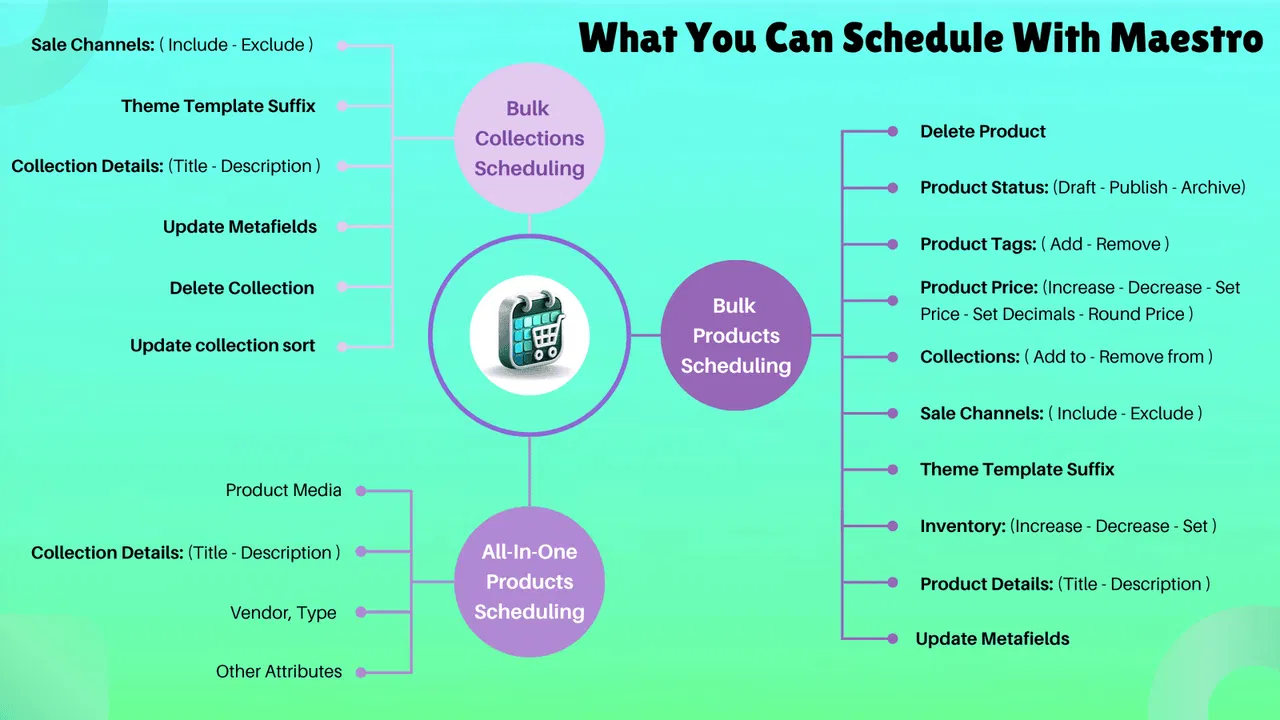
Automated tag management is the secret weapon for a hands-off store. Instead of manually adding and removing tags for every sale, you can set rules. For example, you can schedule the "Summer-Sale" tag to appear on June 1st and vanish on August 31st at 11:59 PM.
This does more than just keep your site looking clean. It also handles your automated collections. If your "Sale" collection is built on the tag "On Sale," Maestro ensures that products enter and exit that collection without you lifting a finger. This level of precision is vital for maintaining a high-performing shopify store setup.
Pricing Strategy and the Power of Rounding Rules
Pricing is not static. In 2026, agile pricing is a necessity. Whether you are adjusting for inflation, running a flash sale, or reacting to a competitor, you need to be able to change prices across hundreds of SKUs instantly.
However, a raw percentage increase often results in "ugly" numbers. A 10% increase on a $19.99 item results in $21.989. No one wants to see that on a professional storefront.
The Maestro Approach to Pricing:
- Scheduled Price Changes: Plan your holiday discounts weeks in advance. Set the start and end dates, and let the app handle the heavy lifting.
- Smart Rounding Rules: This is where the magic happens. You can set a rule that says "Always round to the nearest .99." So, that $21.989 automatically becomes $21.99.
- Compare-At Pricing: Automatically manage your "Compare-At" prices to show customers exactly how much they are saving, boosting the psychological trigger for a purchase.
This level of automation ensures your store always looks polished and professional, which is a core component of our shopify design services.
Inventory Automation and Collection Visibility
A "hands-off" store must also be a "smart" store. There is nothing more frustrating for a customer than clicking on a collection only to find that the first three rows of products are "Sold Out."
With advanced scheduling and automation, you can manage how inventory levels affect your store’s layout:
- Restock Launches: Schedule products to become visible only when inventory levels hit a certain threshold.
- Collection Sorting: Use Maestro to change the sorting order of collections based on the time of day or specific events.
- Automatic Hiding: When a product sells out, you can schedule it to move to the bottom of the collection or hide entirely, preserving the user experience.

The 5-Step Plan to a Hands-Off Catalog
If you are ready to stop the manual grind, here is how you can transition your Shopify store to a more automated model.
Step 1: Audit Your Current Workflow
Identify every task you do repeatedly. Are you updating tags every Monday? Are you changing prices for weekend sales? Write these down. This list becomes your automation roadmap.
Step 2: Establish a Single Source of Truth
Ensure your product data is clean. Automation only works if the underlying data is accurate. If you need help organizing your backend, our team at XCO Agency specializes in migration to shopify and data cleanup.
Step 3: Implement the Maestro App
Install the Product Scheduler by Maestro and begin with the Draft Helper. Start by scheduling just one small launch to get a feel for the workflow.
Step 4: Set Your Global Rules
Define your rounding rules and tag logic. These are "set and forget" features. Once you decide that every sale item should have a "Limited Time" tag, you never have to think about it again.
Step 5: Monitor and Optimize
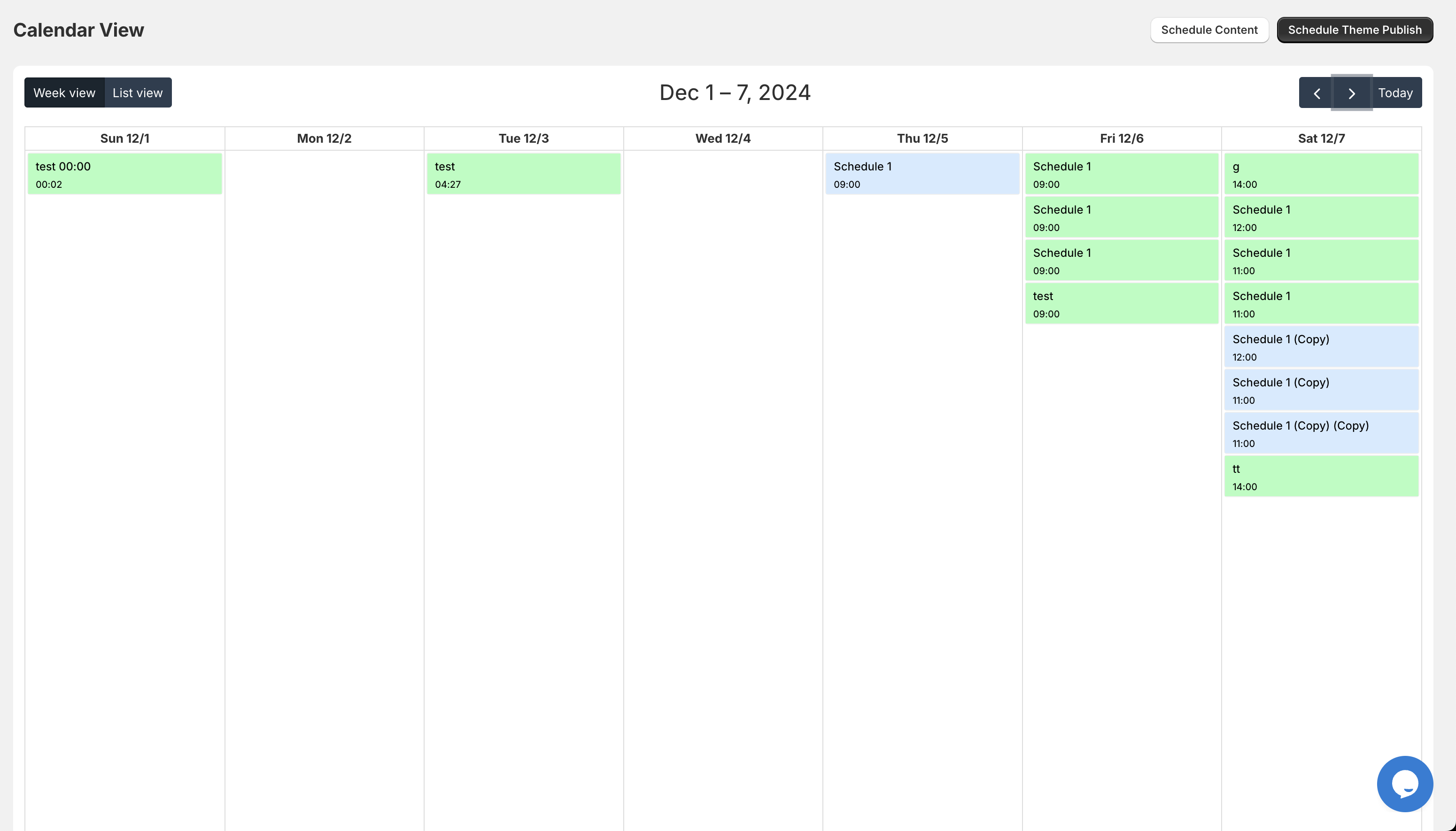
Automation does not mean you never look at your store again. It means you spend your time looking at the growth strategies and analytics rather than the product editor. Check your schedules once a week to ensure everything is aligned with your marketing calendar.
The Verdict: Manual is Out, Strategic is In
So, does your product catalog really need manual updates in 2026? The short answer is no. While you still need a human brain to decide the strategy, the execution should be entirely handled by smart technology.
By leveraging tools like the Maestro app, you reduce the risk of human error, save dozens of hours every month, and create a more seamless shopping experience for your customers. This isn't just about convenience; it is about building a scalable business that can react to the market in real-time without burning out its owner.
As a Shopify expert, I’ve seen that the most successful stores are the ones that automate the mundane to focus on the extraordinary. Whether you are just starting your shopify store setup or managing a high-volume Plus store, the move toward a hands-off catalog is a vital step in your ecommerce journey.
Are you ready to stop clicking and start growing? At XCO Agency, we help merchants implement these high-level automations every day. If you want to see how a truly hands-off store can transform your business, book a meeting with our team today. Let's get your catalog working for you, not the other way around.