
As a Shopify expert, I often find myself having the same conversation with merchants who are scaling past their first million in revenue. They are exhausted. They are tethered to their laptops at midnight on a Tuesday because a new collection needs to go live at 12:01 AM. They are manually updating tags, fixing broken collection filters, and triple-checking that the sale prices actually rounded to .99 like they were supposed to.
In 2026, the ecommerce landscape has shifted. Manual discounting, CSV imports, and theme-based edits are fading away. Automation is the new edge in ecommerce. If you are still running your shop like it is 2018, you aren't just losing time, you are losing money. Catalog automation is no longer a luxury for the giants of the industry. It is a fundamental requirement for anyone seeking a high-performing shopify store setup that doesn't require a 24/7 maintenance crew.
Here is the truth about why catalog automation matters more than ever and how you can leverage it to run a hands-off store.
The Cost of Human Error in a High-Speed Market
E-commerce maintenance services used to involve a lot of manual data entry. In the modern era, every minute a product is incorrectly priced or hidden from a collection is a minute of lost revenue. Merchants are seeking ways to reduce the friction between "having an idea" and "executing a launch."
Consider the typical product launch workflow without automation:
- Creating products as drafts days in advance.
- Setting a calendar reminder for the launch time.
- Manually changing the status from draft to active.
- Updating navigation menus to show the new category.
- Adding tags so the product shows up in the right filters.
If any of these steps are missed, the customer experience breaks. When you use tools like the Product Scheduler by Maestro, you eliminate the "human" variable from the equation.
Stop Staying Up Late: The Draft Helper Revolution
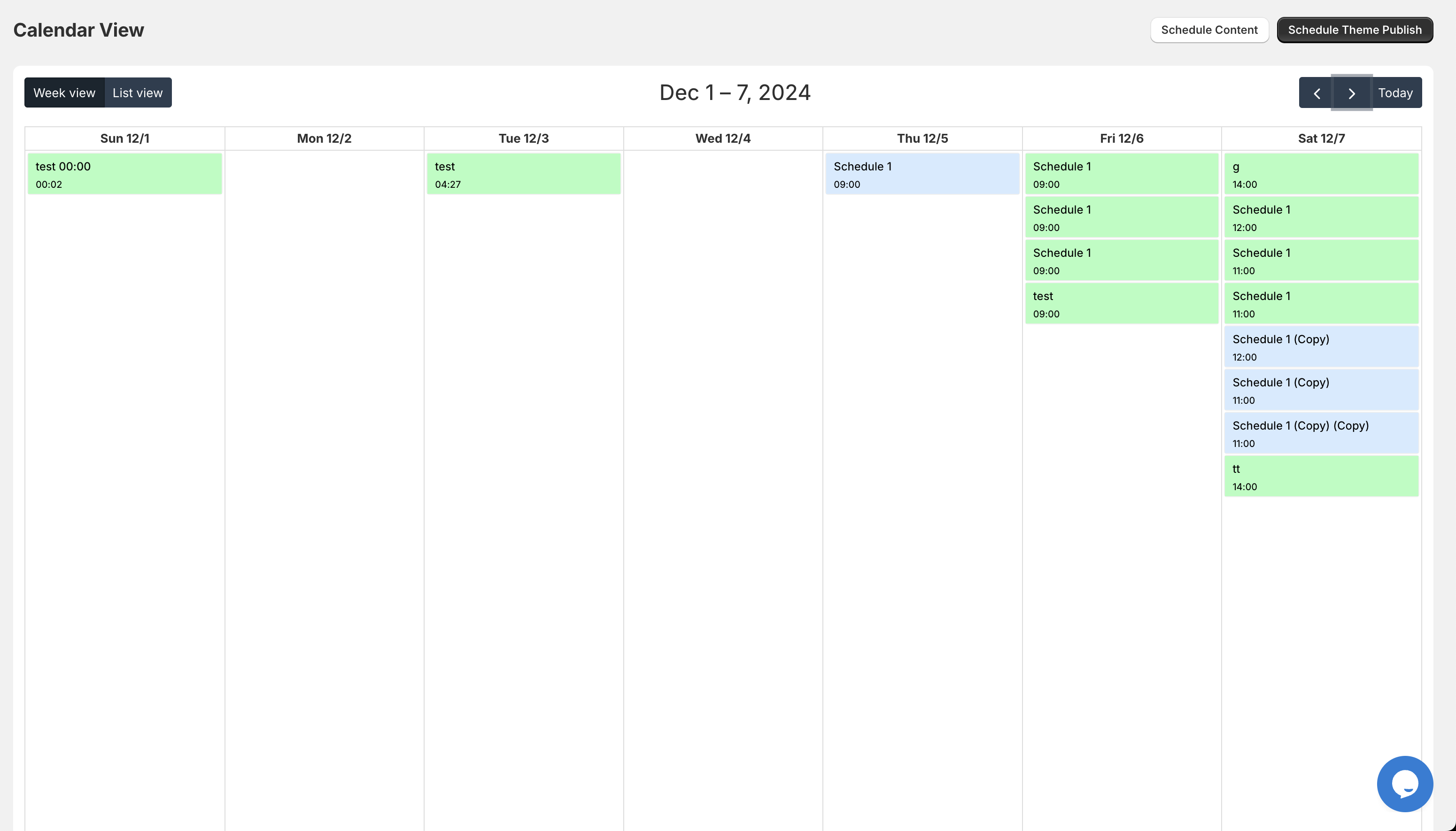
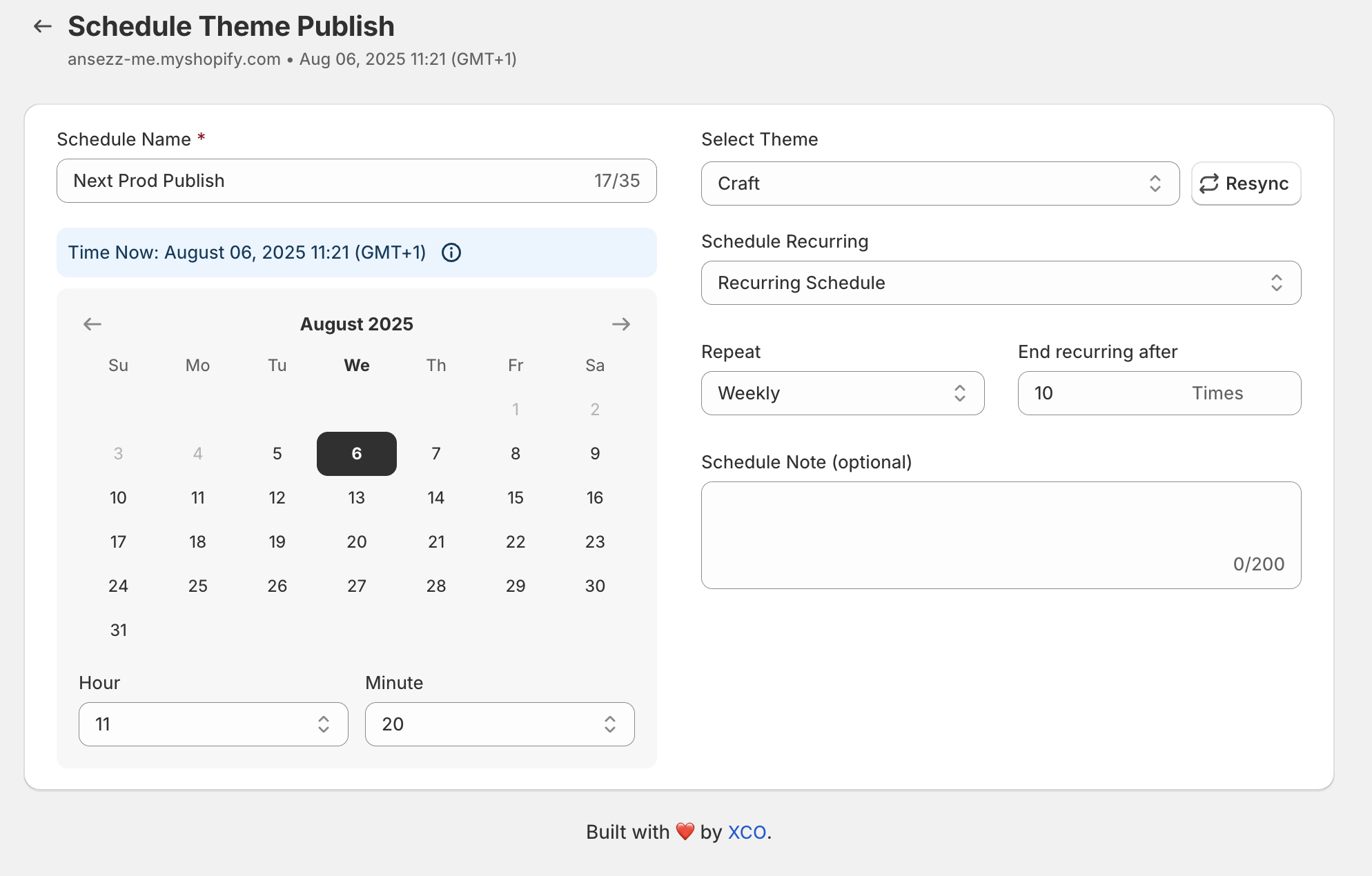
One of the most requested features we see at XCO Agency is the ability to schedule product launches with precision. The "Draft Helper" functionality within the Maestro app is designed to solve the midnight-launch dilemma.
Instead of hovering over the publish button, you can set your parameters once and walk away. This is vital for conversion rate optimization because it ensures your marketing emails, social media posts, and site updates all sync perfectly.
- Scheduled Product Launches: Set specific dates and times for products to move from draft to active.
- Automated Deactivation: If a product is a limited run, you can schedule it to return to draft status automatically, preventing customers from seeing "Out of Stock" pages that kill your bounce rate.
- Multi-Schedule Support: Coordinate across different time zones to ensure your global audience sees the right content at the right time.
Tag Management Without the Headache
Tags are the invisible engine of a Shopify store. They power your collections, your search filters, and often your automated marketing flows. However, managing them manually during a seasonal sale is a nightmare.
As a Shopify expert, I often see stores with "Ghost Tags." These are tags like "Summer Sale" that linger in your sidebar filters in the middle of November because someone forgot to delete them. This looks unprofessional and hurts your brand authority.
The Product Scheduler by Maestro allows for automated tag management. You can schedule a tag like "Black Friday" to be added to specific products on Friday morning and removed automatically on Monday night.
- Seasonal Filter Automation: Keep your sidebar filters clean and relevant without manual intervention.
- Improved Search Accuracy: Ensure that your internal site search only returns relevant, currently-on-sale items by automating the tagging process.
- Workflow Integration: Use automated tags to trigger Shopify Flow sequences for customer notifications or inventory alerts.
Dynamic Pricing and Rounding Rules
Pricing strategy is a key component of growth strategies. In 2026, price sensitivity is high, and merchants need the ability to pivot quickly. Manually updating a 500-item catalog for a flash sale is not just tedious, it is prone to disaster.
With catalog automation, you can schedule price changes across entire collections. More importantly, you can apply rounding rules. If your discount math results in a product being priced at $19.43, the automation can instantly round it to $19.99 or $19.00 based on your brand’s psychological pricing strategy.
- Select the Collection: Choose which products need a price adjustment.
- Define the Logic: Set a percentage or fixed amount discount.
- Apply Rounding: Ensure all prices look clean and professional automatically.
- Set the Expiry: Schedule when the prices should revert to their original state.
Inventory and Restock Automation
There is nothing more frustrating for a customer than clicking on a "New Arrivals" collection only to find that the first three rows are sold out. This is a common issue that negatively impacts conversion rate optimization.
Inventory automation helps you manage visibility based on real-time stock levels. You can set rules that automatically move out-of-stock items to the bottom of a collection or hide them entirely until a restock occurs.
- Automated Sorting: Keep your best-selling, in-stock items at the top of the page.
- Restock Alerts: Automatically re-publish products when inventory levels cross a certain threshold.
- Clean Collection Views: Ensure that your migration to Shopify or your current store setup always looks curated and fresh.

Managing Collection Visibility and Sorting
Collection management is the secret sauce of high-converting stores. It is about showing the right product to the right person at the right time. Automation allows you to change the entire look of your store based on the date.
If you are running a Valentine's Day promotion, you can schedule the "Gifts for Her" collection to appear in your main navigation on February 1st and disappear on February 15th. This level of Shopify design services automation ensures your store always feels relevant and "lived in," which builds trust with your customers.
- Navigation Scheduling: Automate the appearance of seasonal categories.
- Sorting Logic: Change collection sorting from "Newest" to "Best Selling" automatically during peak traffic periods.
- Theme Integration: Sync your catalog changes with your theme updates for a cohesive brand experience.

Why Automation is Your Secret Weapon for Conversion Rate Optimization
Every time a merchant asks me if catalog automation really matters, I point to the data. Stores that use automation have higher conversion rates because they are more consistent. They don't have broken links, they don't have outdated sale banners, and their pricing is always accurate.
When you invest in ecommerce maintenance services that focus on automation, you are buying back your time. You are moving from being a "task-doer" to a "strategy-maker." Instead of spending three hours updating product descriptions for a launch, you can spend those three hours analyzing your customer data or refining your ad spend.
Here are the primary benefits of moving to an automated catalog model:
- Reduced Human Error: No more "oops, I forgot to change the price" emails to your customer support team.
- Hands-Off Scaling: Your store can handle a 1,000-product launch just as easily as a 10-product launch.
- Better Customer Experience: Customers only see what is relevant, available, and correctly priced.
- Operational Efficiency: Reduce the overhead of managing a complex store.
Taking the First Step Toward a Hands-Off Store
If you are feeling overwhelmed by the daily grind of Shopify management, it is time to look at the tools available. The Product Scheduler by Maestro is a vital step for any merchant looking to modernize their operations in 2026.
At XCO Agency, we specialize in helping brands optimize their workflow and their tech stack. Whether you are looking for Shopify speed optimization or a complete overhaul of your catalog strategy, automation should be at the center of your plan.
Catalog automation isn't just a trend. It is the truth of how successful stores will operate for the rest of the decade. By implementing these systems now, you are positioning your business to be more agile, more professional, and ultimately, more profitable.
Are you ready to stop the manual madness? Check out our pricing or book a meeting with us today to see how we can help you automate your way to the top. Summarizing the benefits, automation is the only way to stay competitive in a world where speed and accuracy are the primary drivers of growth. Be proactive and take that step toward a truly automated ecommerce experience.