
As a Shopify expert, I often see merchants pouring thousands of dollars into high-converting themes and aggressive ad spend, only to let their profits leak out through a messy, manual support system. You work hard to get the sale, but what happens when the customer receives a broken item or the wrong size? If your answer involves a chaotic email inbox and a prayer, you are leaving money on the table.
Enterprise ecommerce solutions require more than just a basic contact form. High-volume stores need a streamlined, automated way to handle the post-purchase chaos. That is where Claimify comes in. Before we dive into the solution, let’s identify the seven critical mistakes that are likely holding your brand back from true scale.
1. Living in Email Purgatory
The biggest mistake I see in growing Shopify stores is the reliance on a generic support email address. When a customer sends a return request to your inbox, it enters a black hole. It gets buried under newsletters, shipping notifications, and spam.
Managing support via email leads to:
- Duplicate responses from different team members.
- Missed messages that result in angry PayPal disputes.
- Zero visibility into the status of a claim.
If you are treating your support channel like a 1998 AOL account, you are failing your customers. Enterprise-grade support requires a unified dashboard where every claim is tracked, assigned, and resolved with a clear paper trail.
2. Making Customers Jump Through Hoops
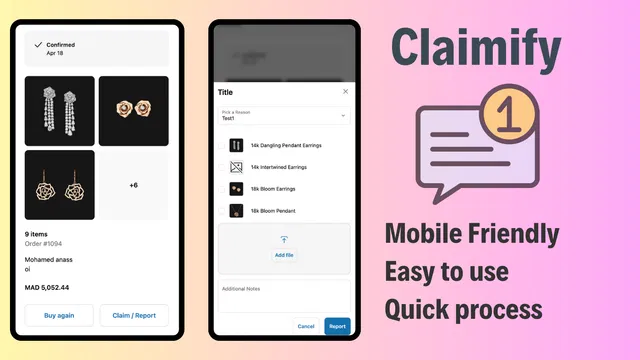
Have you ever tried to return something and been told to download a PDF, print it out, scan it, and email it back? It is frustrating. In the age of one-click checkout, a friction-heavy return process is a brand killer.
When you make it difficult for customers to file a claim, they don’t just go away. They go to their bank and file a chargeback. Providing a self-service portal on your storefront or thank-you page allows customers to handle their own issues in seconds, not days.
3. Ignoring the Power of Automated Validation
I often work with brands that waste hours of manual labor checking if a product is still under warranty or if a return request falls within the 30-day window. This is a massive drain on your resources.
Effective enterprise ecommerce solutions use automated validation rules. Imagine a system that automatically rejects a return request for a final sale item or instantly approves a warranty claim because the purchase happened within the last six months. This level of automation ensures your team only spends time on the complex cases that actually need a human touch.
4. Failing to Collect Proof of Damage
If a customer claims a product arrived broken, do you just take their word for it? Or do you engage in a back-and-forth email chain asking for photos?
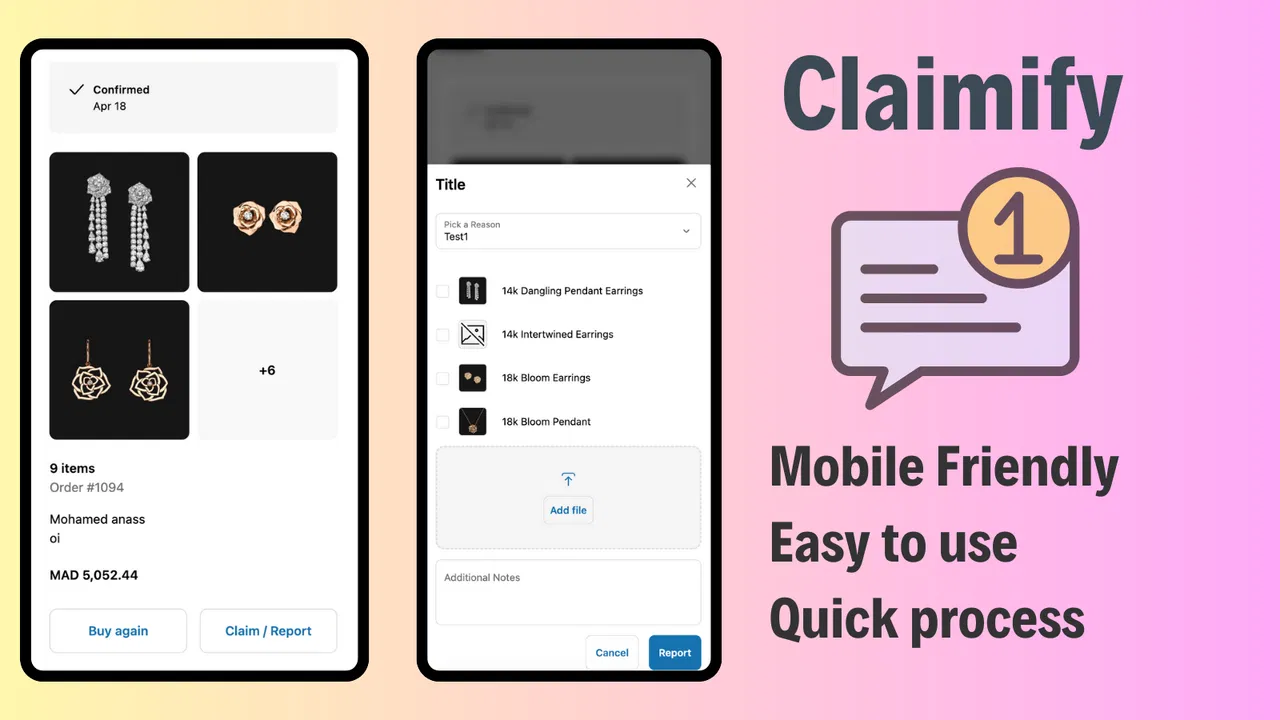
A major mistake is not having a standardized way to collect visual evidence. A proper claims management tool like Claimify forces the customer to upload a photo or video before they can even submit the request. This protects your business from fraud and allows your team to assess the issue immediately.
5. Separating Support from the Shopping Experience
Support should not be a separate destination. If a customer has to leave your site to find a third-party portal or a hidden contact page, the brand experience is broken.
The best support systems are integrated directly into the storefront. By placing a "File a Claim" button on the customer’s account page or the order status page, you keep them within your ecosystem. This increases trust and makes the post-purchase experience feel like a premium service rather than a chore.
6. Neglecting Ecommerce Maintenance Services
Many merchants view support as a cost center, but it is actually a goldmine of data for ecommerce maintenance services. If you are seeing a high volume of claims for a specific SKU, that is a signal that something is wrong with your manufacturing or your product description.
Without a dashboard to categorize these claims (e.g., "Broken on Arrival," "Wrong Size," "Defective Battery"), you are flying blind. High-level maintenance involves using support data to improve your product offering and reduce future claims.
7. Underestimating the Cost of a Bad Post-Purchase Experience
The sale doesn't end when the customer clicks "Buy." In fact, the most important part of the customer journey happens after the box arrives. A customer who has a seamless exchange process is far more likely to become a loyal advocate than a customer who never had an issue at all.
Ignoring the post-purchase experience is a mistake that costs millions in lifetime value. Enterprise brands know that how you handle a mistake defines your reputation.

Why Your Store Needs Claimify
To fix these mistakes, you need a tool designed for the rigors of modern ecommerce. Claimify ‑ Support & Claims is built to move your support requests out of the inbox and into a structured, automated workflow.
Here is why Claimify is a game-changer for Shopify Plus and enterprise merchants:
- Unified Dashboard: Manage returns, refunds, exchanges, and warranty claims in one place.
- Direct Integration: Customers can file claims directly from your storefront or the order thank-you page.
- Custom Validation Rules: Set logic to automatically approve or deny claims based on your specific policies.
- Photo/Video Uploads: Ensure you have the evidence you need before processing a claim.
- Policy Transparency: Use popups to clearly state final sale or non-returnable policies before a claim is even started.

How to Transition to a Seamless Claims Process
Moving away from a manual system might feel intimidating, but the process is actually quite straightforward. Here are the simple steps to modernize your support:
- Audit Your Current Flow: Identify where the bottlenecks are. Is it the response time? Is it the lack of photos?
- Define Your Rules: Decide which products are eligible for returns and how long the warranty period should be.
- Install Claimify: Integrate the app into your Shopify store to create your dedicated claims portal.
- Configure Your Portal: Customize the look and feel to match your brand. Ensure you use the automated validation features to save your team time.
- Redirect Your Customers: Update your navigation and automated emails to point customers toward the new portal instead of a generic support email.
- Monitor and Optimize: Use the dashboard data to identify recurring product issues and refine your ecommerce maintenance services strategy.
Scaling Your Support for the Future
As you grow, your manual processes will eventually break. It is not a matter of if, but when. Investing in enterprise ecommerce solutions that prioritize the customer’s post-purchase experience is a vital step toward sustainable growth.
By automating the mundane tasks of verifying order numbers and checking dates, you free up your team to provide actual, high-value support. This leads to happier employees, more satisfied customers, and a healthier bottom line.
If you are ready to stop the inbox madness and start treating support like the growth engine it is, it is time to look at how your store handles claims. You can learn more about our growth strategies or check out our full range of Shopify design services to ensure your support portal looks as good as your homepage.
For those managing high-volume B2B operations, the need for structured support is even greater. Explore our insights on the Shopify B2B wholesale channel to see how automation can transform your bulk order management.
Take the Next Step
Don't let a messy support system hold your brand back. Transitioning to a streamlined claims process is a proactive step that pays dividends in customer loyalty and operational efficiency.
If you need help setting up your claims portal or optimizing your overall store performance, book a meeting with us today. At XCO Agency, we specialize in helping Shopify merchants scale through smart automation and expert strategy. Let’s get your support out of the inbox and into a system that actually works for you.