
As a Shopify expert, I often see merchants spending thousands of dollars on customer acquisition only to lose potential sales because their collection pages are a mess. You have successfully driven traffic to your store through paid ads or SEO, but when the customer arrives at a category page, they are met with out-of-stock items, irrelevant products, or a layout that feels stale.
In the world of high-growth e-commerce and Shopify Plus development, the way you present your products is just as important as the products themselves. Manual sorting is no longer a viable strategy for brands with more than a handful of SKUs. It is time-consuming, prone to error, and completely reactive rather than proactive.
At XCO Agency, we focus on helping merchants optimize every touchpoint. This is why we developed Rankify Smart Collections. Merchants are seeking ways to automate their merchandising to save time and boost conversion rates. By understanding the common pitfalls of standard Shopify collection management, you can implement a more sophisticated strategy that scales with your business.
Why Collection Sorting Matters for Conversion
Before we dive into the mistakes, it is vital to understand the "why" behind automated sorting. Your collection page is often the first significant interaction a customer has with your product catalog.
- Boosts Discoverability: High-performing products should always be front and center to ensure customers find what they want quickly.
- Enhances User Experience: A well-organized store reduces friction and prevents "decision fatigue."
- Optimizes Inventory Turn: Automated rules can help push overstocked items or clear out old inventory without manual intervention.
- Increases Average Order Value: By strategically placing high-margin or complementary items, you encourage larger purchases.
1. The Manual Sorting Trap
The most common mistake is relying on manual sorting within the Shopify admin. I often work with brands that have team members spending hours every week dragging and dropping products into a specific order. While this gives you total control, it is impossible to maintain as your catalog grows.
When you manually sort, you are making decisions based on a snapshot in time. The moment a product sells out or a new trend emerges, your manual order is outdated. Rankify fixes this by introducing automated collection sorting. Instead of moving individual products, you set the logic once and let the system handle the rest. This shift from manual labor to strategic oversight is a hallmark of professional Shopify store setup.
2. Leaving Out-of-Stock Items at the Top
Nothing kills a conversion rate faster than a customer clicking on the first three products they see only to find they are out of stock. Standard Shopify sorting often places items based on the date they were added, meaning your oldest (and potentially sold-out) items might be lingering at the top of your "All Products" page.
Rankify allows you to create inventory-aware rules. You can set a global rule that automatically pushes any product with zero inventory to the very bottom of the collection. This ensures that your "prime real estate" is always occupied by items that are ready to ship.

3. Ignoring Sales Velocity and Data
Many custom Shopify themes default to sorting by "Alphabetical" or "Price," but these metrics rarely align with what the customer actually wants to buy. A customer browsing a fashion site does not care if a shirt starts with the letter A; they care if it is popular and on-trend.
If you are not sorting by sales velocity, you are leaving money on the table. Rankify enables you to sort collections based on real-time sales data. By prioritizing products that are currently "hot," you align your storefront with consumer demand. This dynamic merchandising approach ensures that your bestsellers are always doing the heavy lifting for your conversion rate.
4. Failing to Use Weighted Rule Sets
One of the biggest limitations of native Shopify smart collections is the "all or nothing" logic. You can sort by one attribute at a time, such as price or date. However, real-world merchandising is more complex. You might want to prioritize products that are both high-margin AND have high stock levels.
Rankify introduces weighted rule sets. This allows you to create a sophisticated scoring system for your products:
- Give 40% weight to sales velocity to keep popular items visible.
- Give 30% weight to high inventory levels to promote products you need to move.
- Give 30% weight to product age to ensure new arrivals still get seen.
This balanced approach ensures your collection pages are optimized for multiple business goals simultaneously. For more on optimizing your store's performance, you might consider a boost to your store's UX and conversion rate with an optimization audit report.
5. Neglecting "New Arrival" Visibility
In industries like fashion or consumer electronics, "newness" is a massive driver of sales. If your sorting logic is static, your newest items might get buried under older bestsellers. On the flip side, if you only sort by "Newest," your proven winners might drop off the first page too quickly.
As a Shopify expert, I recommend a hybrid approach. Rankify allows you to tag products as "New" and use those tags as a high-priority sorting factor for a set number of days. Once the product reaches a certain age, it can naturally transition into the sales-velocity-based sorting logic. This keeps your store looking fresh for returning customers while still leaning on data-backed winners.
6. Overlooking High-Margin Products
It is a common error to treat every sale the same. However, a $50 item with a 60% margin is often more valuable to your business than a $100 item with a 10% margin. Native Shopify tools don't allow you to sort by profitability.
Through advanced Shopify plus development techniques, you can use Rankify to factor in price points and custom tags that represent margin levels. By slightly boosting high-margin items in your sorting logic, you can significantly increase your bottom-line profit without increasing your overall traffic levels.
7. Stale Collections During Sale Periods
During a major sale like Black Friday or a seasonal clearance, your sorting needs change instantly. You want to push discounted items to the top and perhaps hide full-price items or those excluded from the promotion. If you are doing this manually across fifty different collections, you will likely make mistakes.
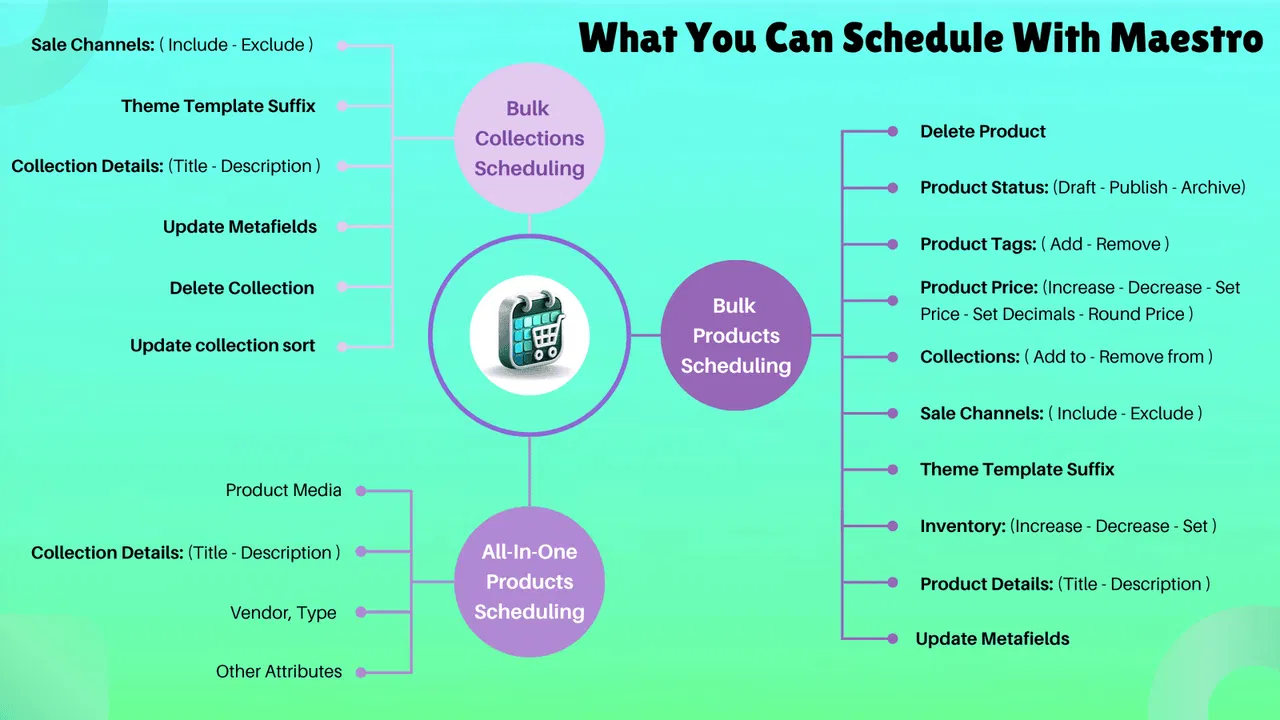
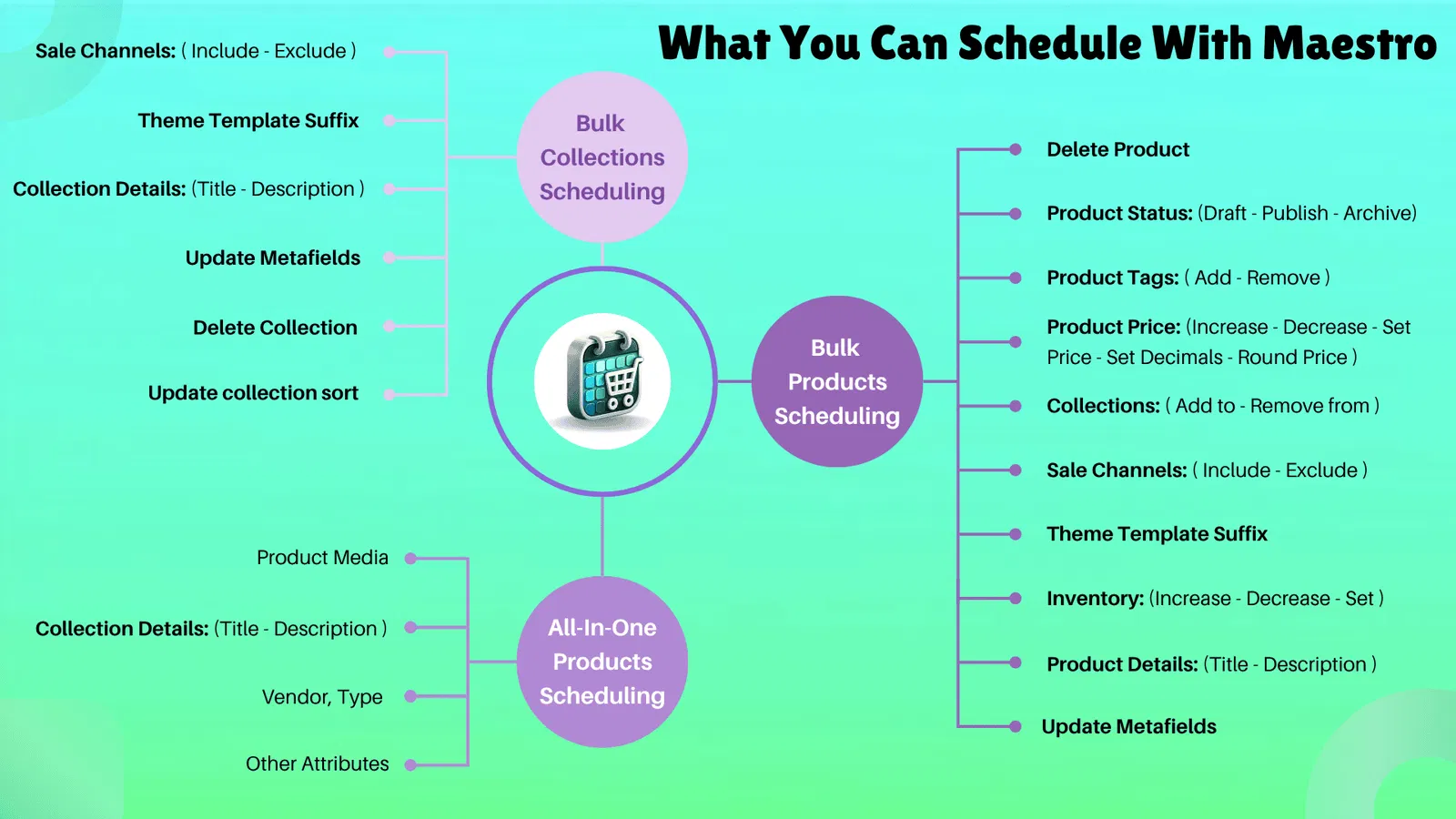
Automation allows you to schedule these changes. By using Rankify in conjunction with tools like the Maestro Theme Scheduler, you can ensure that your collections update the second your sale goes live. This level of precision is vital for maintaining brand authenticity and professional standards.
How to Implement Rankify Smart Collections
Moving from manual sorting to automated, weighted rules is a simple process when you have the right tools. Here are the steps to optimize your Shopify store setup.
Step 1: Audit Your Current Collections
Navigate to your Shopify admin and look at your top five collections. Ask yourself:
- Are the first five products actually available to buy?
- Are these the products that represent my brand best?
- Are these the items that drive the most profit?
Step 2: Define Your Sorting Logic
Determine what matters most for your specific business.
- For High-Volume Brands: Prioritize sales velocity and inventory levels.
- For Boutique Brands: Prioritize product age and visual aesthetics via tags.
- For Clearance Stores: Prioritize discount percentage and stock count.
Step 3: Configure Weighted Rules in Rankify
Inside the Rankify app, you will create a rule set.
- Select "Add Rule."
- Choose a metric, such as "Inventory Level."
- Assign a weight to that metric.
- Add a second metric, such as "Sales in last 7 days," and assign its weight.
- Ensure the total weight equals 100%.
Step 4: Apply and Monitor
Once you apply the rules, Rankify will begin reordering your collections in the background. It is a proactive step to monitor these changes over the first week to ensure the results align with your expectations. You can always tweak the weights if you find certain products are being pushed too low.

Enhancing User Experience Through Better Sorting
Strategic sorting is just one part of a larger UX puzzle. When customers can easily find what they are looking for, they stay on your site longer and are more likely to convert. This is why we often recommend merchants add a featured collection to their home page as a way to showcase these perfectly sorted groups of products.
Furthermore, details matter. If you are using sophisticated sorting but your site has technical flaws, the benefits are minimized. Ensure you perfectly set up your domain and add a favicon to maintain a professional appearance. These small steps, combined with Rankify's automation, create a seamless shopping experience.

Conclusion
The mistakes merchants make with Shopify collection sorting are often invisible but incredibly costly. Relying on manual updates, ignoring out-of-stock items, and failing to utilize sales data creates a stagnant shopping environment that drives customers away.
By implementing Rankify Smart Collections, you transition from a reactive merchandising strategy to an automated, data-driven powerhouse. You save hours of manual work every week while ensuring your most profitable and popular products are always in the spotlight. Whether you are managing a small boutique or a complex Shopify Plus store, automated sorting is a vital step in modernizing your e-commerce operations.
Optimizing your collections is not a one-time task but a continuous improvement process. Start by automating your most popular category today, and watch how smarter sorting leads to higher conversions and a healthier bottom line. For more advanced features or custom Shopify themes, our team is always here to help you navigate the complexities of digital marketing and development.