
As a Shopify expert, I often see high-growth merchants hit a mental and operational wall when they decide to expand internationally. In the past, going global meant one of two things: either managing a messy "all-in-one" store where customers in Berlin were forced to pay in USD, or maintaining five different expansion stores that required five times the work.
Today, merchants are seeking a more streamlined way to reach customers in Tokyo, London, and Paris without hiring a massive team just to manage the back end. This is where Shopify Markets comes in. It is a centralized global commerce hub that allows you to manage everything from a single dashboard.
If you are looking to optimize your international sales, this platform update is likely the most significant change you will encounter this year. In this guide, I will break down why it is a game-changer and how you can leverage it to boost your global revenue.
The Hidden Cost of International Fragmentation
Before we dive into the solution, it is vital to understand the problem. When you sell globally without a dedicated tool, you face several friction points:
- Currency confusion: Customers who do not see their local currency are 70 percent more likely to abandon their carts.
- Logistical nightmares: Calculating duties and taxes manually for 50 different countries is practically impossible for lean teams.
- SEO fragmentation: If your store is not properly localized with subfolders or subdomains, Google will struggle to show the right version of your site to the right people.
- Operational fatigue: Updating a product price or a holiday banner across multiple regional stores takes hours instead of minutes.
By identifying these problems early, you can see why a centralized solution is not just a "nice to have" but a necessity for growth.

Why Shopify Markets is the Solution
Shopify Markets fundamentally changes the math of international expansion. Instead of thinking about "new stores," you start thinking about "new markets." Here are the key benefits:
1. Unified Management from One Admin
You no longer need to log in and out of different accounts. You can manage localized pricing, inventory, and domain settings for every country from your primary Shopify admin. This consolidation significantly reduces the chance of human error when launching new collections or adjusting prices.
2. Localized Shopping Experiences
Markets allows you to tailor the experience for each region. You can show specific products to customers in the UK while hiding them from customers in Canada. You can also customize the language of your store, ensuring that your marketing message resonates with local cultural nuances.
3. Transparent Duties and Taxes
One of the biggest "headaches" in global e-commerce is the surprise tax bill at the border. Shopify Markets calculates duties and import taxes at checkout, so your customers know exactly what they are paying. This transparency builds trust and reduces the number of refused deliveries and customer service complaints.
4. Advanced Domain Strategies
Whether you want to use subdirectories (yourstore.com/fr) or subdomains (fr.yourstore.com), Shopify Markets handles the technical SEO requirements automatically. This ensures your store ranks well in local search engines, helping you capture organic traffic from every corner of the world.
Automating the Global Workflow
As your business grows, manually managing these markets still requires effort. This is where strategic automation becomes your competitive advantage. At XCO Agency, we focus on helping merchants use tools that power-up their operations.
Scheduling Regional Campaigns
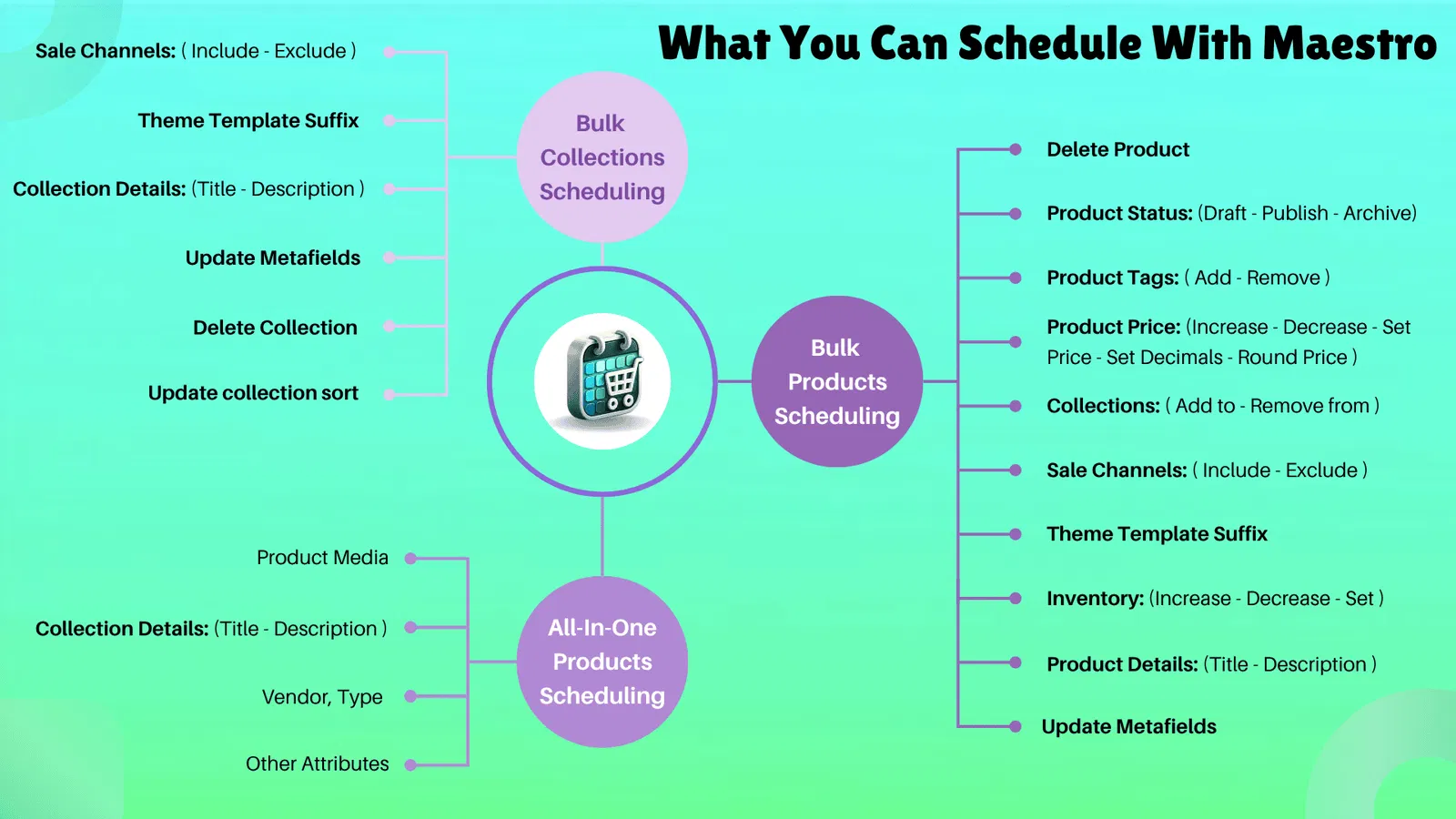
If you are running a flash sale that starts at midnight in Sydney and midnight in New York, you cannot be awake for every time zone. This is where the Maestro Theme Scheduler becomes invaluable. You can schedule specific theme sections to appear or disappear based on the clock, allowing you to run localized promotions without manual intervention.

Bulk Management of Product Data
When you are managing hundreds of products across dozens of markets, updating price lists or product tags can be overwhelming. Using a tool like the Product Maestro Scheduler allows you to automate these updates in bulk. Whether you need to adjust inventory levels for a specific region or update metafields for a seasonal launch, automation ensures accuracy and speed.
Simplifying Post-Purchase for Global Customers
International selling does not end at the "Buy" button. In fact, the most difficult part of global e-commerce is often what happens after the sale: shipping, tracking, and claims.
Global customers are often nervous about buying from overseas. They worry about what happens if the item arrives damaged or if the package is lost in transit. To scale globally, you must provide a world-class claims process.
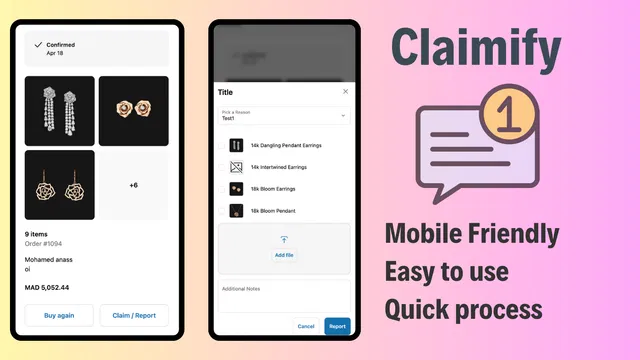
We recommend integrating Claimify into your workflow. It provides a mobile-friendly interface where customers can report issues, upload photos of damaged goods, and track their claims. By making the claims process painless, you turn a potentially negative experience into a loyalty-building moment.
Step-by-Step: How to Launch Your First Market
If you are ready to take the leap, follow these simple steps to set up your first international market.
- Navigate to Settings: In your Shopify admin, go to Settings and click on Markets.
- Add a Market: Click "Add market" and select the country or region you want to target. You can group countries together (like "Europe") or keep them individual (like "Germany").
- Configure Currency and Pricing: Ensure Shopify Payments is active so you can offer local currencies. You can set a percentage-based price adjustment or manual prices for specific products.
- Set Up Domains: Choose whether you want to use subfolders, subdomains, or a unique top-level domain. Ensure your SSL certificates are active.
- Localize Content: Use a translation app or the Shopify Translate & Adapt app to ensure your product descriptions and menus are in the local language.
- Preview and Launch: Use the store preview tool to see exactly what a customer in that market will see before you go live.
Why High-Growth Merchants Choose Shopify Plus
For brands moving millions in global revenue, standard Shopify Markets is just the beginning. Shopify Plus merchants gain access to even more powerful tools, such as the ability to use Hydrogen for headless commerce and advanced Checkout Extensibility.
If your growth has outpaced your current setup, it might be time to consider a migration to Shopify Plus. This move allows for deeper customization and more robust Shopify integrations that can handle the complexities of a truly global enterprise.
Conclusion: Take the Proactive Step
Shopify Markets is not just a feature update; it is a fundamental shift in how we approach the global internet. It removes the technical and operational barriers that once made international expansion the domain of only the largest corporations.
By consolidating your management, localizing the customer journey, and using automation tools like the Maestro suite, you can build a global brand from your desk. Remember that international success is built on trust, and trust is built through a seamless, localized experience.
If you are feeling overwhelmed by the technicalities of global setup or need a tailored growth strategy, our team at XCO Agency is here to help. We specialize in taking complex e-commerce problems and turning them into streamlined, profitable workflows.
Are you ready to scale beyond your borders? Book a meeting with us today to discuss how we can optimize your Shopify store for global success.
