
As a Shopify expert, I often work with high-growth merchants who find themselves trapped in a cycle of late-night store updates. Whether it is a flash sale starting at midnight or a holiday promotion that needs to launch on a Sunday morning, the manual effort required to publish themes or toggle sections is a significant burden. Many business owners are seeking a more efficient way to manage their online presence without sacrificing their sleep or their team’s sanity.
I have seen firsthand how manual maintenance can lead to costly errors. A missed banner update or a late price change can confuse customers and hurt conversion rates. This is why transitioning to automated theme scheduling is not just a convenience: it is a vital step for any brand serious about scaling. In this guide, I will explore how you can use the Maestro Theme Scheduler to automate your store’s visual updates and regain control of your schedule.
The Problem With Manual Shopify Maintenance
Operating a successful e-commerce store requires agility. However, the standard Shopify admin interface often requires manual intervention for theme changes. I frequently hear from clients who are struggling with the following issues:
- Late Night Launches: Staff members are forced to stay online until midnight to click "Publish" on a new theme.
- Human Error: In the rush of a live launch, it is easy to forget to update an announcement bar or remove a "Sale Ended" banner.
- Time Zone Complexity: Global brands must manage promotions across multiple time zones, making manual updates nearly impossible to sync perfectly.
- Resource Drain: Skilled developers or site managers spend their time on repetitive tasks instead of focusing on high-level growth strategies.
By moving away from manual updates, you can ensure your store always looks professional and remains up-to-date, regardless of the time or day.
The Benefits of Automated Theme Scheduling
When you implement an automated scheduling system like Maestro, you shift from a reactive to a proactive workflow. Here are the primary advantages of adopting this "set it and forget it" approach:
- Precision Timing: Ensure your seasonal promotions start and end at the exact second you intended.
- Reduced Operational Costs: Lower the need for overtime pay or dedicated "on-call" staff during holiday weekends.
- Enhanced Brand Consistency: Maintain a cohesive look across your site by coordinating theme changes with marketing emails and social media posts.
- Improved Workflow Efficiency: Plan your entire promotional calendar weeks in advance, allowing your team to focus on creative tasks.
Introducing Maestro Theme Scheduler
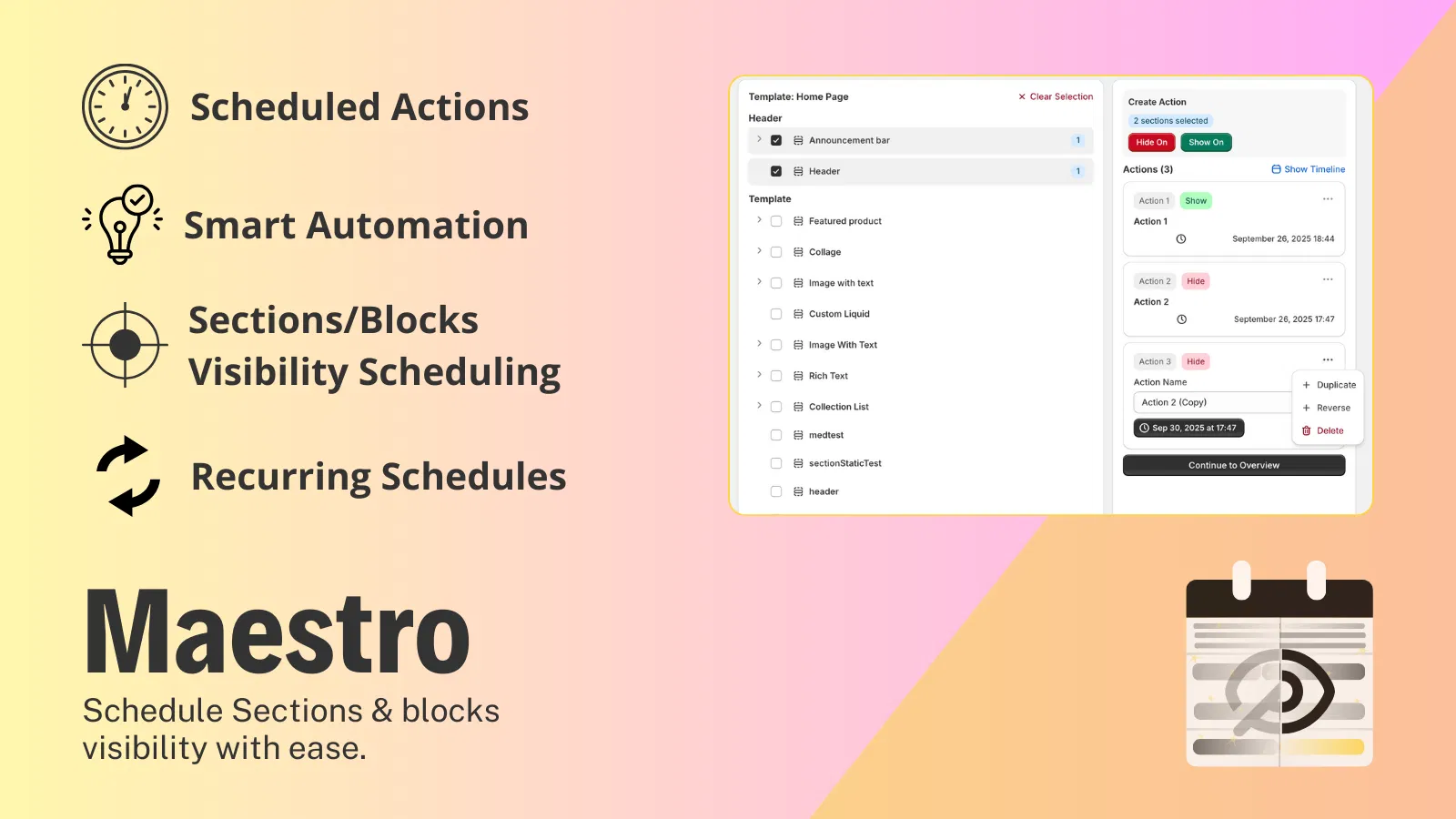
Maestro is a specialized tool designed specifically for Shopify and Shopify Plus merchants who need granular control over their theme visibility. Unlike basic tools that only allow for full theme swaps, Maestro offers a more sophisticated approach.
I often recommend this app because it bridges the gap between custom shopify themes and daily operational needs. It allows you to schedule not only entire themes but also specific sections and blocks within your live theme.

Key Features for E-commerce Automation
The app provides a suite of features that simplify ecommerce maintenance services. Understanding these tools is the first step toward a fully automated store.
- Full Theme Publishing: You can create a duplicate of your theme, prepare your sale assets, and schedule the exact moment it replaces your current live theme.
- Section and Block Visibility: This is a game-changer for merchants. You can show or hide specific parts of a page, such as a promotional banner or a collection list, without changing the entire theme.
- Recurring Schedules: For stores that run regular weekly "drops" or weekend sales, you can set recurring rules so the content updates itself every week.
- Content Change History: Keep a clear log of every change made to your store, which is essential for troubleshooting and auditing.
How to Schedule Your First Theme Change
If you are ready to stop manual updates, here are the simple steps to follow using the Maestro interface. This process ensures that your next big launch happens smoothly while you are away from your desk.
Step 1: Prepare Your Theme or Content
Before scheduling, ensure that the content you want to display is ready in a draft theme or as a hidden section.
- Navigate to your Shopify Admin and select Online Store.
- Duplicate your current theme to create a staging environment for your changes.
- Add your new banners, update your colors, or adjust your layout within this draft.
Step 2: Configure the Schedule in Maestro
Once your content is ready, open the Maestro app to set your timing rules.
- Select the "Schedule Theme" option from the dashboard.
- Choose the draft theme you just prepared.
- Select the start date and time.
- Optional: Select an end date and time if you want the store to revert to a previous theme automatically.
Step 3: Automate Section Visibility
If you do not need a full theme change, you can use section-level scheduling.
- Identify the specific section or block (like a hero slider) you want to control.
- Apply a visibility rule within Maestro.
- Ensure that the logic is set to "Show" during your promotion period and "Hide" afterwards.
Step 4: Review and Confirm
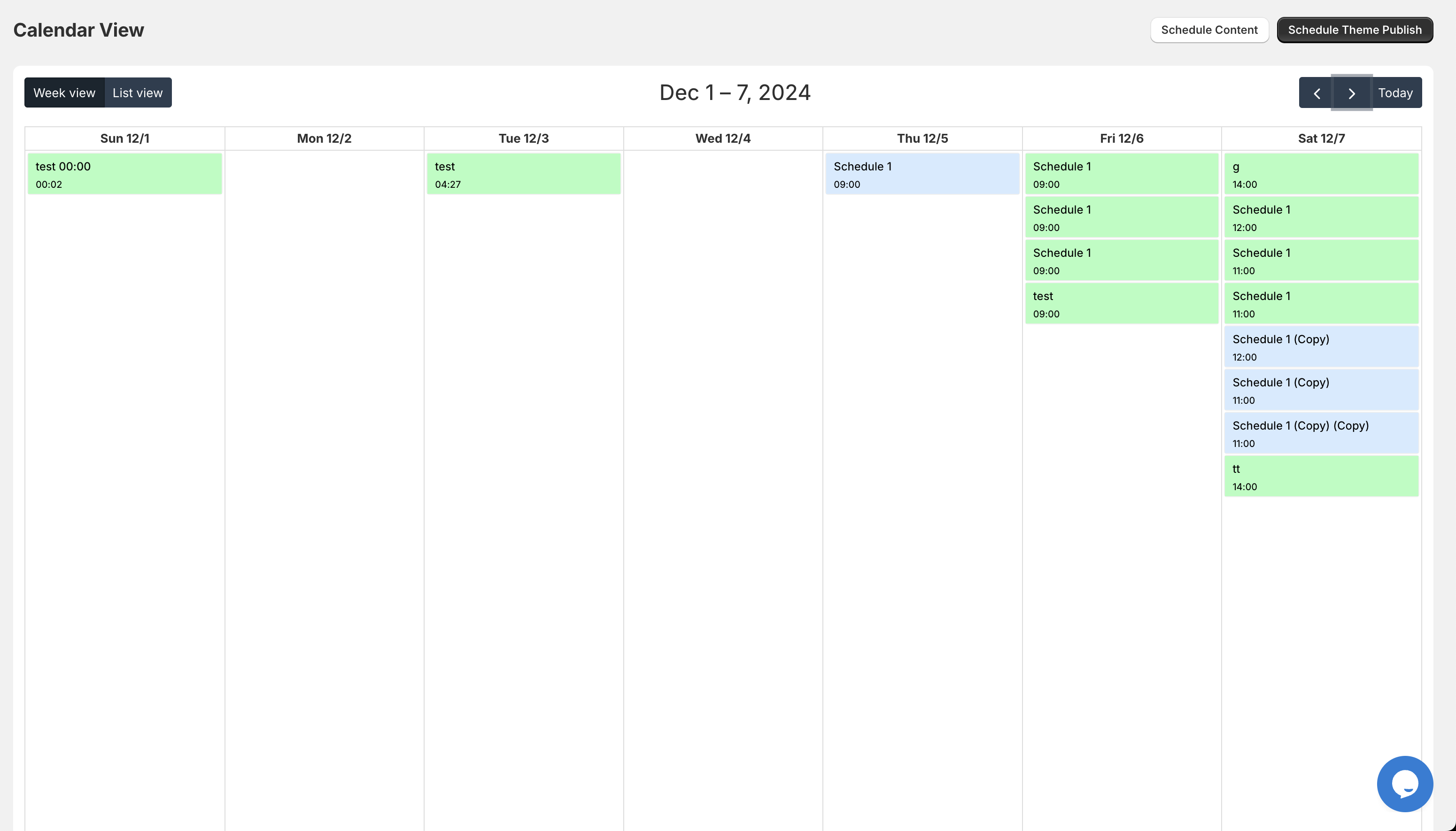
Check your scheduled tasks in the calendar view to ensure there are no overlaps or conflicts.
- Review the timeline to see a visual representation of your upcoming changes.
- Click "Save" to finalize the automation.
Strategic Use Cases: Black Friday and Beyond
While daily updates are important, scheduling becomes a critical component of shopify plus development during high-traffic periods like Black Friday and Cyber Monday (BFCM).
Managing Flash Sales
Flash sales require intense coordination. With Maestro, you can schedule the "Flash Sale" theme to go live at 12:00 AM and set it to automatically revert to your standard theme at 2:00 AM. This prevents the "sale hangover" where customers see discounted prices after the promotion has ended.
Seasonal Branding
Many brands change their aesthetic for the winter holidays or summer seasons. Instead of rushing to update your site on December 1st, you can prepare your festive theme in October and schedule it to activate automatically.
Inventory-Based Content
If you have a limited-edition product launch, you can schedule specific sections to appear on your homepage only during the launch window. This creates a sense of urgency and ensures that the marketing reflects the actual availability of the products.
Why Professional Support Matters
While tools like Maestro make automation easier, integrating these workflows into a complex Shopify Plus environment often requires expert guidance. At XCO Agency, we specialize in helping merchants optimize their stores for peak performance and minimal manual overhead.
Our team can assist you with:
- Designing custom shopify themes that are fully compatible with advanced scheduling.
- Setting up complex automation workflows that sync your store with your inventory and marketing platforms.
- Providing ongoing ecommerce maintenance services to ensure your automation tools are always functioning correctly.
By combining the right software with professional expertise, you can build a resilient e-commerce operation that grows without increasing your personal workload.
Conclusion: Take the Proactive Step
Transitioning to automated theme scheduling is a vital step for any merchant looking to escape the trap of manual site maintenance. By using the Maestro Theme Scheduler, you can ensure your store is always optimized, your promotions are perfectly timed, and your team is free to focus on what truly matters: growing your business.
Whether you are preparing for a massive BFCM event or simply want to stop staying up late for theme updates, automation is the answer. I encourage you to explore the features of Maestro and consider how a "set it and forget it" strategy can transform your daily operations.
If you need help building a high-performance Shopify store or implementing advanced automation, reach out to us at XCO Agency. We are here to help you navigate the complexities of Shopify Plus development and ensure your brand thrives in the digital landscape.