
As a Shopify expert, I often consult with high-growth merchants who have reached a plateau in their domestic market. They see significant traffic coming from the United Kingdom, Germany, or Australia, but their conversion rates in those regions are a fraction of what they see at home. The problem is rarely the product quality or the brand identity. Instead, the friction lies in the lack of localization. Many businesses treat international expansion as a secondary thought, simply checking a box to allow international shipping without considering the nuances of the local shopping experience.
In the modern e-commerce landscape, international growth is no longer about just shipping packages across borders. It is about creating a seamless, native-feeling experience for every customer, regardless of where they reside. This is where Shopify Markets becomes a vital component of your growth strategies. By centralizing international management, Shopify Markets allows you to tailor your storefront to specific regions without the administrative nightmare of managing multiple independent stores.
The High Cost of the "One Size Fits All" Approach
When a merchant seeks to expand globally, they often underestimate the psychological barriers that prevent an international customer from hitting the buy button. If a shopper in France lands on a site priced in US Dollars, written in English, and showing US-centric shipping policies, the trust gap is immediate.
Statistics show that localization is not just a luxury; it is a necessity for conversion. Research indicates that 76 percent of online shoppers prefer to buy products with information in their native language. Furthermore, localized content can lead to a 70 percent increase in conversion rates. When you ignore these factors, you are essentially leaving money on the table.
Beyond language, the lack of local currency and transparent duty calculations creates massive friction at the checkout. Customers are wary of "surprise" fees upon delivery. If your store does not clearly communicate that duties and taxes are included or calculated at checkout, they will likely abandon their cart. This is why a proactive step toward localization is essential for anyone serious about global scaling.
What is Shopify Markets and Why Does it Matter Now?
Shopify Markets is the platform's comprehensive solution for managing global commerce. It transforms your single Shopify store into a multi-market powerhouse. Instead of navigating the complexities of separate expansion stores, you can control everything from a single backend.
As an agency specializing in e-commerce development, we have seen how Shopify Markets simplifies the technical hurdles of localization. It allows merchants to:
- Define specific market areas: Group countries together (like the Eurozone) or treat them as individual markets with unique settings.
- Automate currency conversion: Display prices in the local currency of the shopper while maintaining your base currency for reporting.
- Manage local domains: Use subfolders (yourstore.com/fr) or subdomains (fr.yourstore.com) to improve local SEO and user trust.
- Optimize localized content: Tailor everything from product descriptions to promotional banners based on the visitor's location.

Key Pillars of a Successful Localization Strategy
Simply turning on Shopify Markets is not enough. You need a strategic approach to ensure your localization efforts actually drive revenue. Here are the core pillars that our team at XCO Agency focuses on when helping brands expand.
Multi-Currency and Intelligent Rounding Rules
Price perception is everything. A product priced at 42.67 Euro looks like a messy conversion. A product priced at 45.00 Euro looks like a deliberate, local price. Shopify Markets allows you to set rounding rules so your international pricing looks professional and consistent. This small detail significantly boosts the perceived value of your brand in new markets.
Local Languages and Content Translation
Language is the primary way you build rapport with your audience. While automated translation tools have improved, they often miss the cultural nuances of high-converting copy. Using Shopify integrations for translation apps ensures that your brand voice remains consistent while speaking the local tongue. Remember, localization is not just about translation; it is about transcreation: adapting your message to fit the local culture.
Duties and Import Taxes Transparency
One of the biggest conversion killers is the uncertainty of import costs. With Shopify Markets, you can calculate and collect duties and import taxes at checkout. This provides the customer with a "landed cost," meaning there are no hidden fees when the package arrives at their door. This level of transparency is a vital step in building long-term international brand loyalty.
Automating Your Global Operations with Maestro
Managing a global brand means dealing with multiple time zones. If you are running a Black Friday sale in the United States and a different promotion for Lunar New Year in Asia, the manual workload can become overwhelming. This is where automation tools become your greatest asset.
At XCO Agency, we developed the Maestro suite of apps to solve these exact operational headaches. When your international growth strategy involves time-sensitive campaigns, you need precision.
- Maestro Theme Scheduler: This tool allows you to schedule theme sections and blocks to appear or disappear at specific times. If you have a specific promotional banner for your UK market, you can schedule it to go live exactly at midnight GMT without having to be awake to push the update manually. You can learn more about this at Maestro Theme Scheduler.
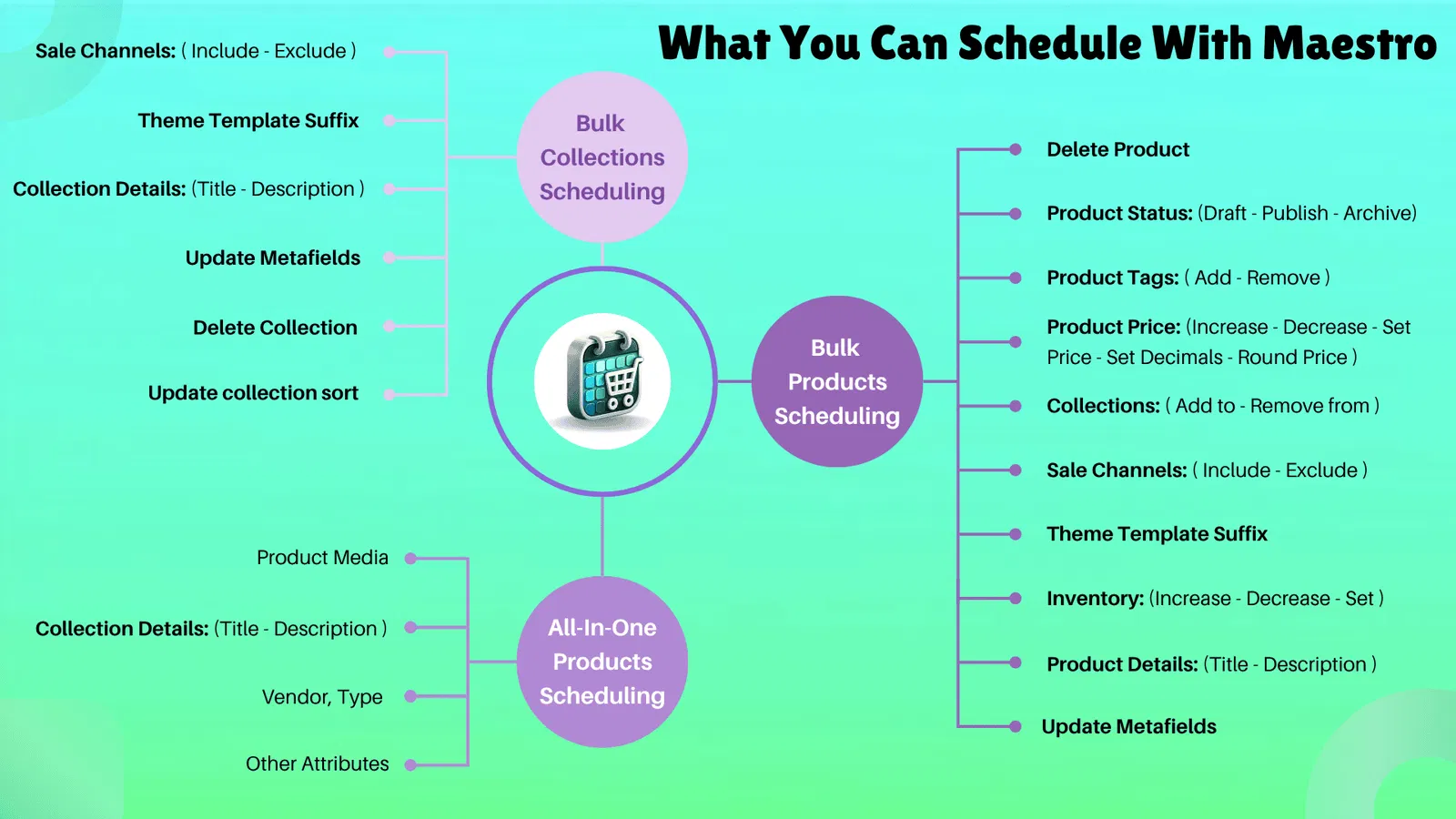
- Product Maestro Scheduler: When launching new products in specific markets, you can automate the visibility and status of those products. This ensures your international catalogs are always accurate and aligned with your marketing calendar.
Using these tools allows your team to focus on strategy rather than manual site updates, ensuring a professional and timely experience for customers across all time zones.
How to Implement Shopify Markets in 4 Strategic Steps
If you are ready to power-up your international presence, follow this structured process to ensure a smooth transition.
-
Identify High-Potential Markets
- Review your current analytics to see where international traffic is already coming from.
- Analyze your shipping costs and logistics capabilities for those specific regions.
- Select your "Primary Market" and then build out your first "International Market" as a pilot.
-
Configure Market Settings and Local Domains
- Navigate to the "Markets" section in your Shopify admin.
- Set up your domain strategy. We often recommend subfolders (e.g., /en-gb) as they are easier to manage and consolidate your SEO authority.
- Enable local currencies and set your rounding rules to ensure professional pricing.
-
Localize Content and Media
- Install a translation app and begin localizing your top-performing product pages.
- Use Shopify design services to ensure that your site layout accommodates different language lengths and cultural aesthetics.
- Ensure that images and banners are relevant to the local market. For example, use lifestyle imagery that reflects the local climate or culture.
-
Optimize Fulfillment and Post-Purchase Experience
- Set up clear shipping zones and rates for each market.
- Enable duty and tax collection to provide a transparent checkout experience.
- Use tools to provide localized order tracking, giving your international customers the same peace of mind as your domestic ones.

Moving Toward Global Dominance
The transition from a domestic seller to a global brand is a significant milestone. By leveraging Shopify Markets and the expertise of an agency like XCO, you can navigate this transition with confidence. Localization is not a one-time project; it is a continuous process of refinement. You should constantly monitor your regional conversion rates and adjust your strategy based on local performance data.
For Shopify Plus merchants, the opportunities are even greater. You can utilize Checkout Extensibility to further customize the localized checkout experience, adding custom fields or tailored messaging that resonates with specific regional demographics.
If the technical complexity of setting up international markets feels intimidating, remember that Shopify will guide you through the basic steps, but the strategic execution is where the real value lies. Whether you are dealing with complex migration to Shopify requirements or simply looking to optimize your current setup, a professional audit of your international strategy is always a proactive step.
Conclusion
Shopify Markets is a powerful tool, but it is your localization strategy that will determine your success. By speaking your customers' language, showing them prices they understand, and being transparent about costs, you remove the barriers to entry in the global marketplace.
At XCO Agency, we specialize in helping brands unlock this international potential. From strategic consulting to custom app solutions like Maestro, we ensure your store is built for global scale. If you are ready to significantly enhance your international reach, we invite you to book a meeting with our team to discuss your global growth roadmap.
