
As a Shopify expert, I often encounter merchants who spend hours every week manually reordering products within their collections. They are seeking a way to ensure their best sellers stay at the top, while new arrivals get enough exposure and out of stock items are pushed to the bottom. In the fast paced world of e-commerce, manual merchandising is not just a time sink; it is a growth killer.
When you are managing a shopify store setup with hundreds or thousands of SKUs, the standard automated collection features in Shopify often fall short. They allow you to sort by price or date, but they do not allow you to balance multiple factors at once. This is where the power of Rankify Smart Collections and weighted rule sets comes into play. By leveraging advanced logic, you can transform your storefront into a high converting machine that updates itself in real time.
The Problem with Traditional Collection Sorting
Most store owners rely on Shopify’s default sorting options: Manual, Best Selling, Product Title, Price, or Newest. While these work for small catalogs, they present significant hurdles for scaling businesses:
- Static Rankings: Best Selling lists often become stagnant, showing the same products for months even if a new trend has emerged.
- Inventory Blindness: Traditional sorting might put a best seller at the top even if it only has one size left in stock, leading to a poor user experience and high bounce rates.
- Manual Labor: Merchandising teams spend countless hours dragging and dropping products to prepare for sales or seasonal shifts.
- Inflexibility: You cannot easily prioritize products that have high margins but lower sales volume without manually intervening.
To solve these issues, advanced merchants are turning to weighted rules. This approach allows you to assign a numerical value to different product attributes, creating a "score" for every item that determines its position in the collection.
What are Weighted Rules in Rankify?
Weighted rules are the secret sauce for advanced shopify plus development. Instead of choosing just one sorting criteria, you combine several and decide how much each one matters. Think of it as a mathematical formula for your storefront visibility.
For example, you might decide that:
- Sales Velocity accounts for 50 percent of the product score.
- Inventory Levels account for 30 percent.
- Product Age accounts for 20 percent.
Rankify calculates these values for every product in your Smart Collection. A product that is selling well, is fully in stock, and was recently added will naturally rise to the top. A product that was a best seller last year but is now low on stock will automatically move down the page to make room for more relevant items.

Key Benefits of Weighted Rule Sets
Implementing weighted rules provides a level of control that standard Shopify settings simply cannot match. Here is why this is a vital step for any brand focusing on growth strategies:
- Boost Conversion Rates: By ensuring that products with high stock levels and high conversion potential are seen first, you significantly reduce the friction in the buying process.
- Automated Inventory Management: You can set rules to automatically demote products with low "days of cover" or high out of stock ratios, preventing "out of stock" frustration for customers.
- Enhanced Discovery: You can give a "boost" to new products for a set number of days, ensuring they get the exposure needed to start generating sales data.
- Data Driven Merchandising: Instead of guessing what should be at the top, you use actual performance data to dictate product placement.
How to Set Up Weighted Rules: A Step-by-Step Guide
If you are ready to move beyond basic sorting, here are the simple steps to implement a weighted rule strategy using Rankify.
Step 1: Define Your Business Goals
Before touching any settings, you must decide what you want to achieve. Are you trying to clear out old inventory, maximize profit margins, or showcase new arrivals? Your goals will dictate your weights.
Step 2: Select Your Performance Metrics
Rankify allows you to pull data from various sources. Common metrics include:
- Revenue or Units Sold: To prioritize high volume items.
- Stock Count or Inventory Percentage: To ensure availability.
- Date Created: To highlight newness.
- Conversion Rate: To lead with your most effective products.
- Tag Based Rules: To manually "pin" certain types of products regardless of other stats.
Step 3: Assign the Weights
Navigate to the Rankify dashboard and create a new Rule Set. Assign a percentage to each metric. Ensure the total adds up to 100.
- Example for a Sale Period: 40 percent Inventory, 40 percent Discount Amount, 20 percent Sales Velocity.
- Example for a New Season Launch: 60 percent Product Age, 30 percent Sales Velocity, 10 percent Inventory.
Step 4: Apply to Collections
Once your rule set is created, you can apply it to specific collections or across your entire store. Rankify will then begin the process of reordering your products based on these live data points.

Advanced Strategies for Custom Shopify Themes
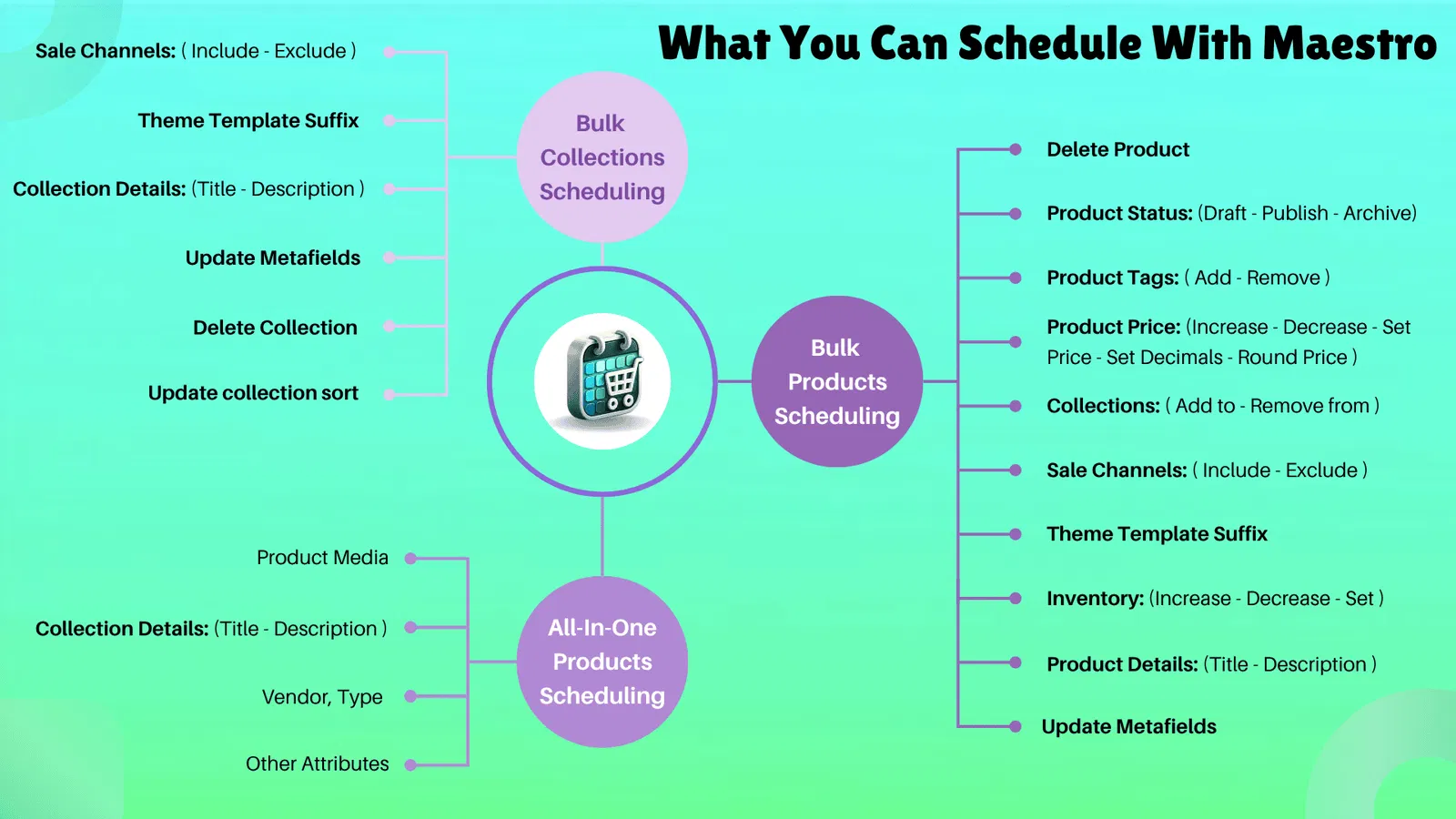
When working with custom shopify themes, the way your collections are displayed can be further optimized by integrating Rankify with your theme logic. For instance, if you are using a tool like Maestro, you can schedule different rule sets to trigger during specific time windows.
Imagine a scenario where your collection sorts by "Newest" during the first 48 hours of a launch, but automatically switches to a "Weighted Sales and Inventory" rule set once the initial hype settles. This level of automation ensures your store is always optimized for the current stage of the product lifecycle.
Integrating Tags for Granular Control
Rankify also supports automated collection sorting by tags. This is particularly useful for shopify plus development where you might have complex filtering needs. You can use tags to:
- Exclude Specific Items: Automatically hide products with a "Coming Soon" tag until a specific date.
- Group Categories: Ensure that even within a weighted list, certain "Hero" products stay in a specific row.
- Seasonal Management: Apply a "Winter" tag to boost specific items during colder months through a weighted rule that favors that specific tag.
The Role of Automation in Modern E-Commerce
The primary goal of using Rankify and weighted rules is to free up your team’s time. In the traditional shopify store setup, merchandising is a reactive task. You see a product is out of stock, and then you move it. With Rankify, merchandising becomes proactive.
You set the parameters once, and the system handles the thousands of micro adjustments that happen every day as stock levels change and customers click "buy." This ensures that your store remains fresh and relevant without requiring constant manual intervention. For agencies providing shopify design services, integrating these automated workflows is a key differentiator that provides long term value to clients.
Why Weighted Rules are a Competitive Advantage
In the competitive landscape of digital marketing, every millisecond of a user's attention counts. If a customer clicks on your collection and the first four products they see are out of stock or irrelevant to their needs, you have likely lost a sale.
Weighted rules allow you to maintain a "perfect" storefront 24/7. Whether it is 3 AM or mid afternoon on Black Friday, your collections will always reflect the most strategic version of your inventory. This is why growth strategies for top tier brands always include a heavy emphasis on automated merchandising.
Conclusion: Taking Control of Your Storefront
Mastering Rankify and weighted rules is a vital step for any merchant looking to move from a basic store to a high performance e-commerce engine. By moving away from manual sorting and embracing data driven automation, you ensure that your best products are always in the spotlight.
We have seen that the combination of sales data, inventory levels, and product age creates a dynamic shopping experience that keeps customers engaged and drives higher conversion rates. Whether you are in the middle of a migration to shopify or looking to optimize an existing Shopify Plus store, these advanced collection management techniques are essential.
If you are ready to stop dragging and dropping products and start scaling your business with automation, XCO Agency is here to help. We specialize in advanced shopify plus development and custom integrations that turn manual tasks into automated success.
Ready to revolutionize your store's merchandising?
Book a meeting with our experts today to discuss how Rankify and weighted rules can transform your Shopify experience. You can also explore our Maestro Theme Scheduler to see how we bring even more automation to your storefront.