
As a Shopify expert, I often speak with e-commerce founders who are terrified of their own success. They worry that a viral marketing campaign or a major seasonal sale will crash their site, leading to lost revenue and a damaged reputation. In the world of high-growth retail, scalability is not just a buzzword; it is the difference between a thriving global brand and a business that collapses under its own weight.
High-growth merchants are constantly seeking ways to streamline operations and ensure their technical infrastructure can handle the pressure of thousands of simultaneous users. Whether you are migrating from a legacy platform or looking to optimize your existing Shopify setup, understanding the ecosystem is vital.
The Shopify ecosystem is designed to grow with you. It provides a robust foundation that allows you to focus on marketing and product development while the platform handles the heavy lifting of server management and security. By leveraging the right tools and strategies, you can turn your store into a high-performance machine.
Here are the primary advantages of building for scale:
- Consistent Reliability: Maintain 99.99% uptime even during extreme traffic spikes.
- Operational Efficiency: Automate repetitive tasks like product launches and theme updates.
- Global Reach: Sell in multiple currencies and languages without duplicating your effort.
- Customizable Architecture: Build unique front-end experiences using headless commerce solutions.
1. Enterprise Grade Performance Standards
Shopify is built to handle the most demanding retail events on the planet. As a Shopify expert, I have seen the platform process incredible volumes of data during peak periods like Black Friday and Cyber Monday. In 2024, the platform successfully handled over 284 million requests per minute at its peak, processing billions in total sales without a hiccup.
The standard Shopify infrastructure supports over 7,000 checkouts per minute per store. For most businesses, this capacity is more than enough. However, for those operating at an enterprise level, knowing that the foundation is engineered for this kind of load provides immense peace of mind. You do not have to worry about provisioning new servers or managing database shards; Shopify handles the elastic computing automatically.
2. Global Infrastructure and CDN
Performance is not just about how many people can check out at once; it is also about how fast your site loads for a customer halfway across the world. Shopify includes a global Content Delivery Network (CDN) as part of its core offering. This ensures that your images, CSS, and JavaScript files are served from a server physically close to your customer.
Speed optimization is a critical factor for conversion rates. A delay of even one second can lead to a significant drop in sales. By using a multi-region data hosting strategy, Shopify minimizes latency. If you are noticing performance lags, it might be time to look into specific Shopify speed optimization services to ensure your theme and third-party scripts are not negating the benefits of the CDN.
3. Shopify Plus for High Volume Needs
When a business reaches a certain scale, the standard Shopify plans might feel limiting. This is where Shopify Plus comes into play. Launched in 2014, Shopify Plus is specifically designed for high-volume, multi-national brands. It offers advanced features like Shopify Functions, which allow for deep customization of the checkout logic, and the ability to manage up to 100,000 SKUs per store.
One of the most significant benefits of Plus is the reduced transaction fees and the dedicated support. It also unlocks access to tools that simplify complex B2B operations. If you are moving into wholesale, exploring the Shopify B2B wholesale channel can drastically reduce the manual labor involved in managing separate pricing tiers for different clients.
4. Headless Commerce with Hydrogen and Oxygen
For brands that require a truly unique user interface that goes beyond what liquid themes can offer, Shopify provides a headless commerce framework called Hydrogen. This allows developers to use React-based components to build a fast, dynamic front end while still using Shopify for the back-end checkout and inventory management.

Hydrogen is hosted on Oxygen, Shopify's global hosting solution for headless storefronts. This combination gives you the creative freedom of a custom site with the reliability of a hosted platform. It is an ideal choice for brands that want to integrate their store deeply into a content-heavy site or a mobile application.
5. Automation Through the App Ecosystem
The Shopify App Store is a massive marketplace with over 16,000 apps. For a scaling store, the goal is to find apps that automate your workflows rather than just adding more bells and whistles. At XCO Agency, we focus on building and recommending tools that remove manual bottlenecks.
One common struggle for growing stores is managing content updates. When you have hundreds of products and frequent sales, manually updating theme sections or product details is prone to error. This is why we developed the Maestro suite.

Using tools like Maestro Theme Scheduler, you can schedule when specific theme sections appear or disappear. This is perfect for limited-time promotions or seasonal shifts. Similarly, the Product Maestro Scheduler allows you to automate product visibility, pricing changes, and inventory updates. This level of automation is essential for maintaining a professional store without a massive operations team.
6. API-First Architecture for Seamless Integration
A scalable store rarely operates in a vacuum. As you grow, you will likely need to connect your Shopify store to an Enterprise Resource Planning (ERP) system, a Customer Relationship Management (CRM) tool, or a Product Information Management (PIM) system.
Shopify's API-first architecture makes these connections possible. Whether you are using REST or GraphQL APIs, the platform allows for deep integrations that sync inventory, customer data, and order history in real time. If you are planning a complex setup, reviewing your Shopify integrations strategy early on will prevent data silos that can hamper your growth later.
7. Multi-Storefront and Global Markets
Scaling often means expanding into new geographic regions. In the past, this meant managing multiple separate stores, which was an operational nightmare. Today, Shopify Markets allows you to manage international selling from a single dashboard.
You can localize pricing, currencies, and languages for different regions. For enterprise merchants on Shopify Plus, multi-storefront management goes even further, allowing you to launch completely separate stores for different brands or regions while keeping your back-end operations unified. This is a vital step for any merchant looking to capture the global market.
8. Enhancing Post-Purchase Experience
Growth brings more customers, and more customers bring more support requests. A scalable store must have a system for handling returns and claims that does not overwhelm the support staff. The post-purchase experience is just as important as the sale itself for building long-term loyalty.
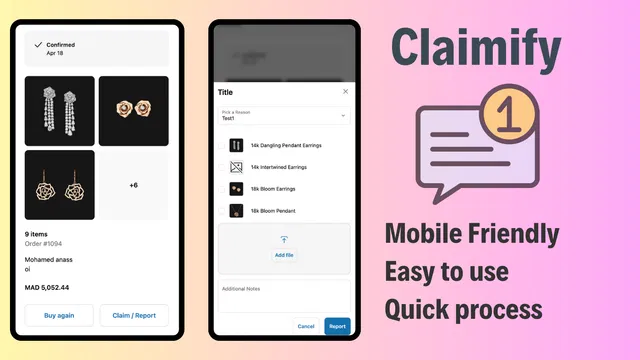
This is where an app like Claimify becomes invaluable. Claimify provides a simple, mobile-friendly interface for customers to report issues with their orders. Instead of back-and-forth emails, customers can upload photos and select the reason for their claim directly. This speeds up the resolution process and keeps your customers happy, even when something goes wrong with a delivery.
9. Economies of Scale and Financial Stability
Because Shopify processes hundreds of billions in Gross Merchandise Volume (GMV), they have significant bargaining power. This allows them to offer competitive payment processing rates through Shopify Payments.
When you scale on Shopify, you benefit from the platform's ability to spread its infrastructure costs over millions of merchants. This means you get access to world-class security, such as Level 1 PCI DSS compliance and SSL certificates, at a fraction of the cost it would take to maintain these standards on a self-hosted platform. Your costs scale proportionally with your growth, preventing the need for massive upfront investments in hardware.
10. Strategic Operational Requirements
The final thing to understand about the Shopify ecosystem is that the technology is only half the battle. True scalability requires a proactive approach to store management. This involves:
- Continuous Monitoring: Regularly checking site speed and conversion rates to identify friction points.
- Proactive Performance Management: Updating your theme and apps to stay compatible with new Shopify releases.
- Agile Adaptation: Being ready to pivot your strategy based on market trends or customer feedback.
Success on Shopify requires a partner who understands the nuances of the platform. Whether you are looking for growth strategies or planning a complete migration to Shopify, having an expert team in your corner ensures that you are building on a foundation that will not crack under pressure.
Summary of the Path to Scalability
Building a scalable store is a journey of continuous optimization. By leveraging the enterprise-grade performance of Shopify, automating your operations with the Maestro suite, and ensuring a smooth customer experience with Claimify, you set your business up for long-term success.
Here are the simple steps to start your scaling journey:
- Audit your current performance: Identify where your site slows down or where your team spends too much manual time.
- Automate your workflows: Implement scheduling tools like Product Maestro Scheduler to handle routine updates.
- Optimize for the global market: Use Shopify Markets to reach international customers.
- Strengthen your support system: Use Claimify to handle the increased volume of customer inquiries efficiently.
- Consult with experts: If the technical side feels overwhelming, reach out for professional Shopify design services.
Scaling your e-commerce business is an exciting challenge. With the right knowledge of the Shopify ecosystem and a commitment to operational excellence, you can transform your store into a global powerhouse. If you are ready to take the next step and want to discuss how we can help you optimize your store for high growth, feel free to book a meeting with our team at XCO Agency today.