
As a Shopify expert, I often work with high-growth merchants who find themselves logging into their Shopify admin at midnight just to push a sale live or swap a homepage banner. This manual approach to storefront management is not only exhausting for your team but also prone to human error. Merchants are constantly seeking ways to streamline their operations and move toward a more "set it and forget it" workflow.
When you are managing custom Shopify themes and handling the complexities of Shopify Plus development, your time should be spent on growth strategies, not on repetitive maintenance tasks. Automating your storefront changes allows you to reclaim your schedule and ensure your customer experience is always fresh and relevant.
Automating your storefront changes provides several key benefits:
- Eliminates the need for manual midnight launches and late-night shifts
- Reduces the risk of publishing the wrong theme or missing a sale deadline
- Ensures consistent branding across all time zones and markets
- Powers up your marketing team to plan campaigns weeks or months in advance
- Optimizes the performance of your store by ensuring content is only live when it is needed
The Challenge of Manual Storefront Maintenance
For many Shopify Plus brands, the process of updating a storefront is surprisingly manual. Whether you are launching a new product collection or preparing for a major seasonal event like Black Friday, the traditional workflow involves a lot of "wait and click." This is where professional ecommerce maintenance services become vital, but even the best service providers benefit from robust automation tools.
Without automation, you are tethered to your computer. You have to be there at the exact moment a promotion starts and the exact moment it ends. If you have a global presence, this problem is compounded by multiple time zones. Trying to coordinate a global launch manually is a recipe for burnout and technical debt.
Why High-Growth Brands Need Automation
As your store scales, the volume of changes increases. You might have weekly product drops, recurring weekend flash sales, or regional promotions that only apply to specific markets. Managing these through standard Shopify settings can become a bottleneck.
This is especially true when working with custom Shopify themes. Custom themes often have complex sections and blocks that need to be toggled on or off. Manually editing the theme customizer for every change is inefficient. By leveraging automation, you can schedule these specific changes to occur automatically, ensuring your store reflects your current marketing initiatives without constant supervision.
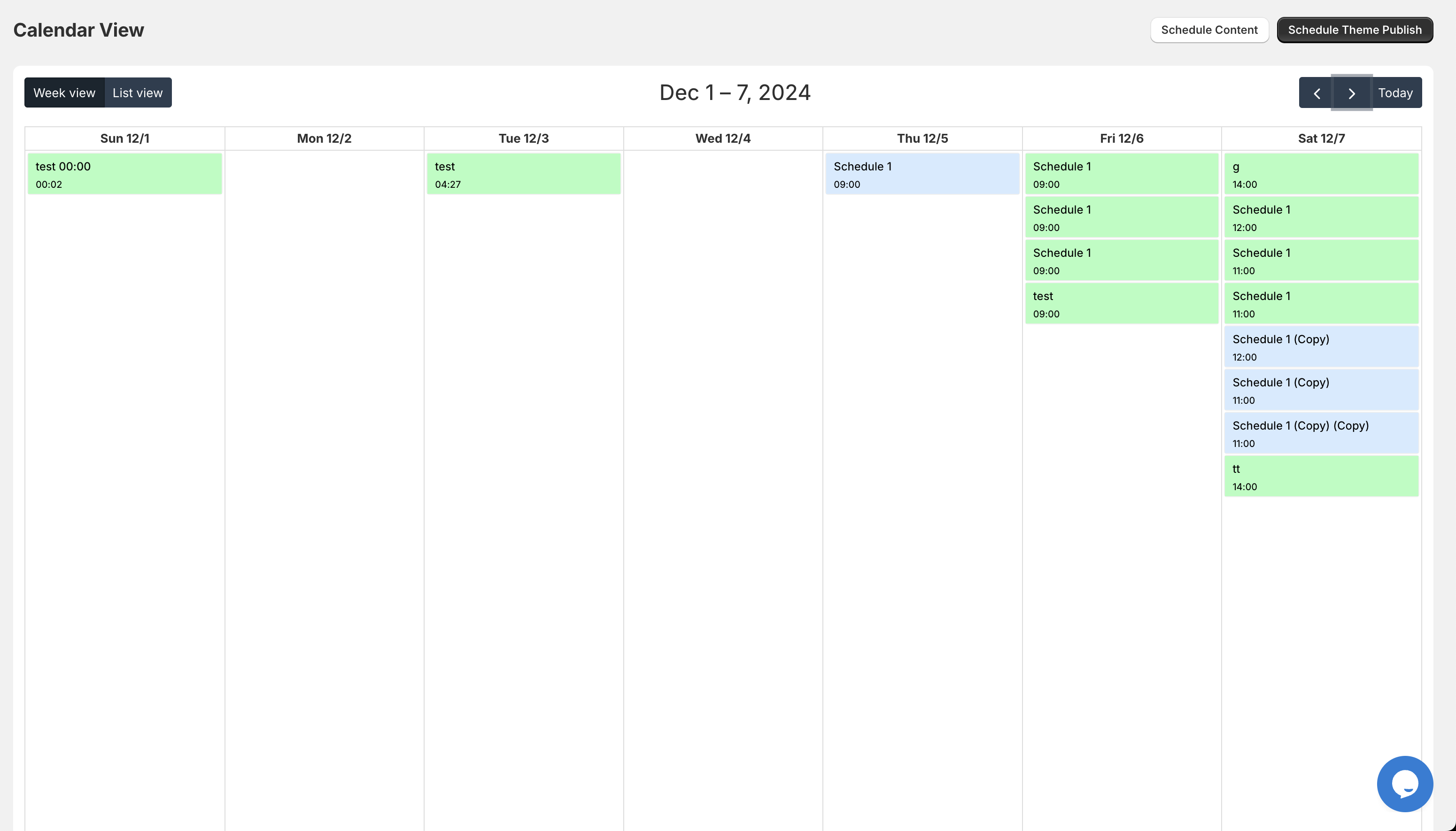
Introducing Maestro Theme Scheduler
To solve these pain points, we developed the Maestro Theme Scheduler app. It is designed specifically for Shopify and Shopify Plus merchants who want to automate their storefront updates with precision. Instead of just scheduling a whole theme to publish, Maestro allows you to get granular with your content.
Maestro helps you manage:
- Scheduled theme publishing and switching
- Automating section and block visibility within your theme
- Managing recurring promotions like "Free Shipping Fridays"
- Coordinating multi-market storefront updates
This tool is a cornerstone of efficient Shopify Plus development. It takes the complexity out of scheduling and puts the power back into the hands of the merchants and their marketing teams.
How to Automate Your Storefront Changes in 5 Minutes
Setting up automation does not have to be a multi-day project involving developers. With the right tools, you can have your first automated schedule running in under five minutes. Here are the simple steps to get started.
Step 1: Install and Initialize Maestro
Navigate to the Maestro Theme Scheduler landing page or find the app in the Shopify App Store. Once installed, the app integrates directly with your Shopify admin, allowing you to access all your themes and templates from a single dashboard.
Step 2: Create Your First Schedule
Click on the "Create Schedule" button. You will be prompted to give your schedule a name. Choose something descriptive like "Black Friday Hero Banner" or "Summer Collection Launch." This ensures your team can easily identify the purpose of the automation later.
Step 3: Select Your Theme or Content
You have two primary options here. You can schedule an entire theme to be published (useful for major site overhauls) or you can schedule specific sections and blocks within your current theme.
- Select "Theme Publish" to choose a pre-prepared theme from your library.
- Select "Section/Block Visibility" to choose specific elements of your live site that should appear or disappear.
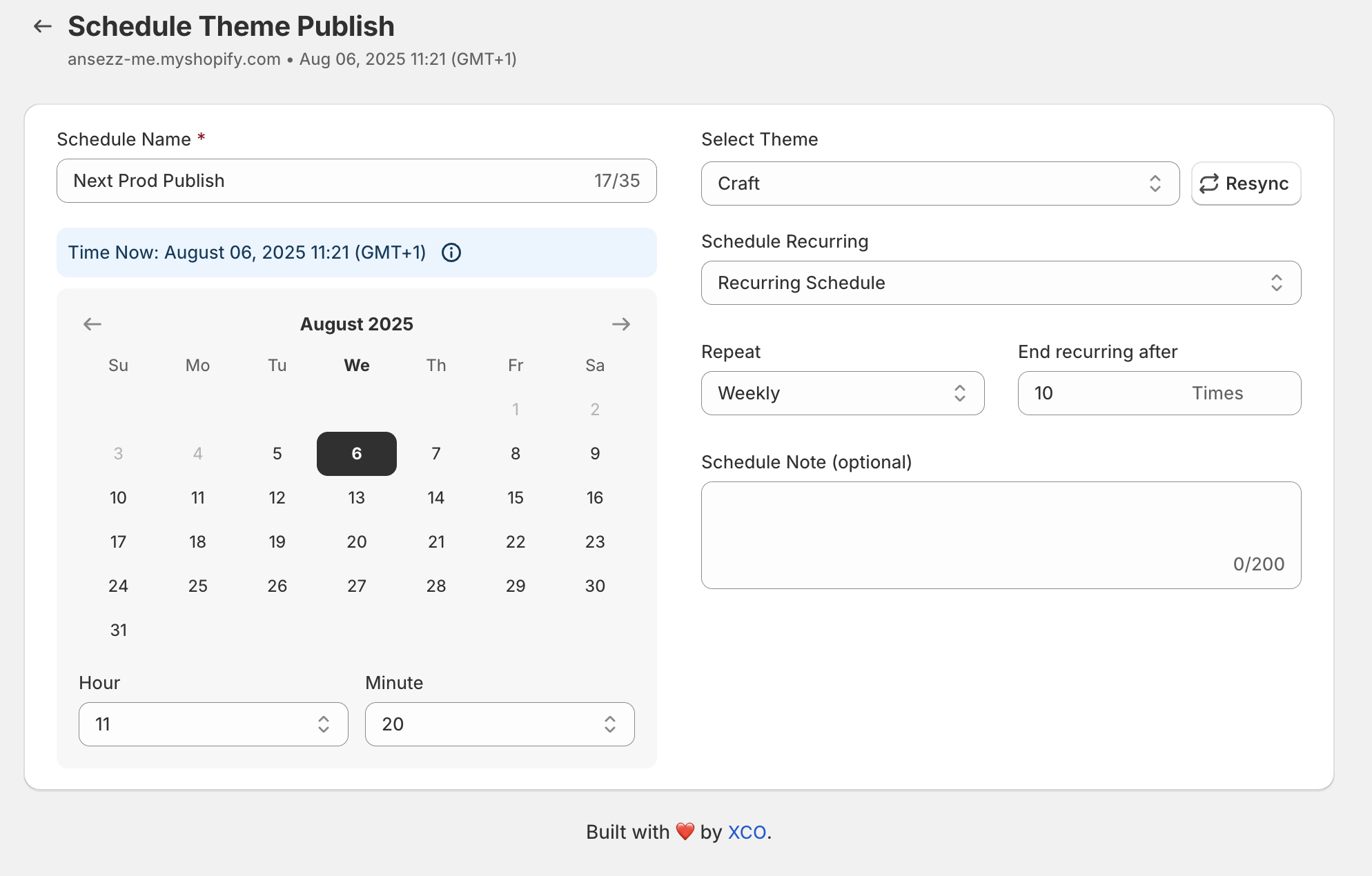
Step 4: Set the Timing and Recurrence
This is the core of the "set it and forget it" philosophy. Select the start date and time for your change. If the change is temporary (like a weekend sale), set an end date and time as well. Maestro will automatically revert the changes once the timer expires.
For recurring events, you can set the schedule to repeat weekly or monthly. This is perfect for recurring promotions or maintenance notices.
Step 5: Review and Activate
Review your settings to ensure the time zones and theme selections are correct. Once you are satisfied, click "Save and Activate." Your storefront change is now automated. You can now close your laptop and trust that Shopify will handle the rest.
Use Cases for Automated Scheduling
To truly understand the value of automation, it helps to look at how it applies to real-world ecommerce scenarios.
Black Friday and Cyber Monday (BFCM)
During the busiest shopping weekend of the year, you don't want your team distracted by manual site updates. You can schedule your BFCM theme to go live at midnight on Friday and automatically revert to your standard theme at midnight on Monday. This ensures a seamless transition and allows your team to focus on customer support and fulfillment.
Flash Sales and Product Drops
If you run limited-time offers, you can use Maestro to make the sale banners and product sections visible only during the sale window. After completing the sale, the sections disappear automatically, preventing customers from trying to access expired deals.
Seasonal Branding
Changing your store's look for Christmas, Halloween, or Summer can be done weeks in advance. You can prepare your seasonal custom Shopify themes and schedule them to rotate throughout the year.

Enhancing Your Shopify Plus Development Strategy
Automation should be a fundamental part of your Shopify Plus development strategy. When you build or update your store, consider how each new feature will be managed. If a new custom section is added to your theme, ask yourself if it needs to be scheduled.
By using tools like Maestro, you reduce the workload on your internal developers. They no longer have to be "on call" for simple content updates. This allows them to focus on high-impact projects like Shopify speed optimization or Shopify integrations.
The Role of Ecommerce Maintenance Services
While automation tools like Maestro handle the "when," professional ecommerce maintenance services handle the "what." A solid maintenance plan ensures that the themes you are scheduling are bug-free, optimized for mobile, and aligned with your brand's growth goals.
Combining automation with expert oversight is the gold standard for Shopify Plus management. It provides a safety net where technology handles the repetitive tasks and experts handle the strategic improvements.

Streamlining Global Operations
For merchants operating in multiple regions, automation is a necessity rather than a luxury. Scheduling market-specific changes ensures that a promotion in the UK starts at the correct local time, while your US store remains unaffected until its own scheduled time. This level of precision is difficult to achieve manually but simple with Maestro's advanced scheduling tools.
By coordinating updates across multiple templates and pages from a single streamlined panel, you maintain a cohesive brand experience regardless of where your customer is located.
Conclusion: Taking a Proactive Step Toward Efficiency
Automating your storefront changes is a vital step for any Shopify Plus merchant looking to scale. It moves your business away from reactive, manual processes and toward a proactive, strategic model. By spending just five minutes setting up a schedule, you save hours of manual labor and significantly reduce the risk of errors.
Whether you are managing a complex custom theme or running a simple promotional calendar, the "set it and forget it" nature of the Maestro Theme Scheduler app provides the peace of mind you need to focus on what matters most: growing your business.
If you are ready to stop the midnight manual updates and start automating your success, explore our pricing plans or book a meeting with our team to discuss how we can help you optimize your Shopify store. Efficiency is just a few clicks away.