
As a Shopify expert, I often observe that the difference between a high-converting store and a struggling one lies in the details of the user experience. For many high-growth brands, the primary challenge is not just driving traffic but managing the presentation of products once that traffic arrives. In the world of Shopify Plus development, manual product sorting is quickly becoming an obsolete practice. When you are managing hundreds or thousands of SKUs, the ability to dynamically organize your collections is no longer a luxury: it is a fundamental requirement for scaling.
Merchants seeking to optimize their shopify store setup frequently ask how they can maintain a "fresh" storefront without spending hours in the admin panel every week. The answer lies in dynamic merchandising. By leveraging automated collection sorting, brands can ensure that the right products are seen by the right customers at the precise moment they are most likely to buy.
The Hidden Cost of Manual Merchandising
Traditional merchandising requires a hands-on approach where a team member manually adjusts product positions based on recent sales or intuition. This method is fraught with limitations that can quietly erode your profit margins.
- Human Error and Delay: Trends move faster than manual updates. By the time a merchant realizes a specific product is trending on social media, the manual collection might still be featuring slow-moving items at the top.
- Inventory Inefficiency: Manual sorting often leaves out-of-stock items at the top of the page, leading to high bounce rates and customer frustration.
- Operational Drain: For a Shopify Plus merchant, time is the most valuable resource. Spending several hours a week on "drag-and-drop" sorting is a poor use of human capital that could be spent on strategy or brand building.
- Inconsistent Customer Experience: Without a data-driven approach, the "feel" of the store can become inconsistent, especially if multiple team members are making subjective choices about product placement.
How Automated Sorting Transforms Shopify Plus Development
When we talk about shopify plus development, we are looking at creating a robust infrastructure that supports rapid growth. Automated sorting through tools like Rankify Smart Collections allows you to build logic directly into your store architecture. This means your custom shopify themes are not just visually appealing but are also intellectually responsive to real-time data.
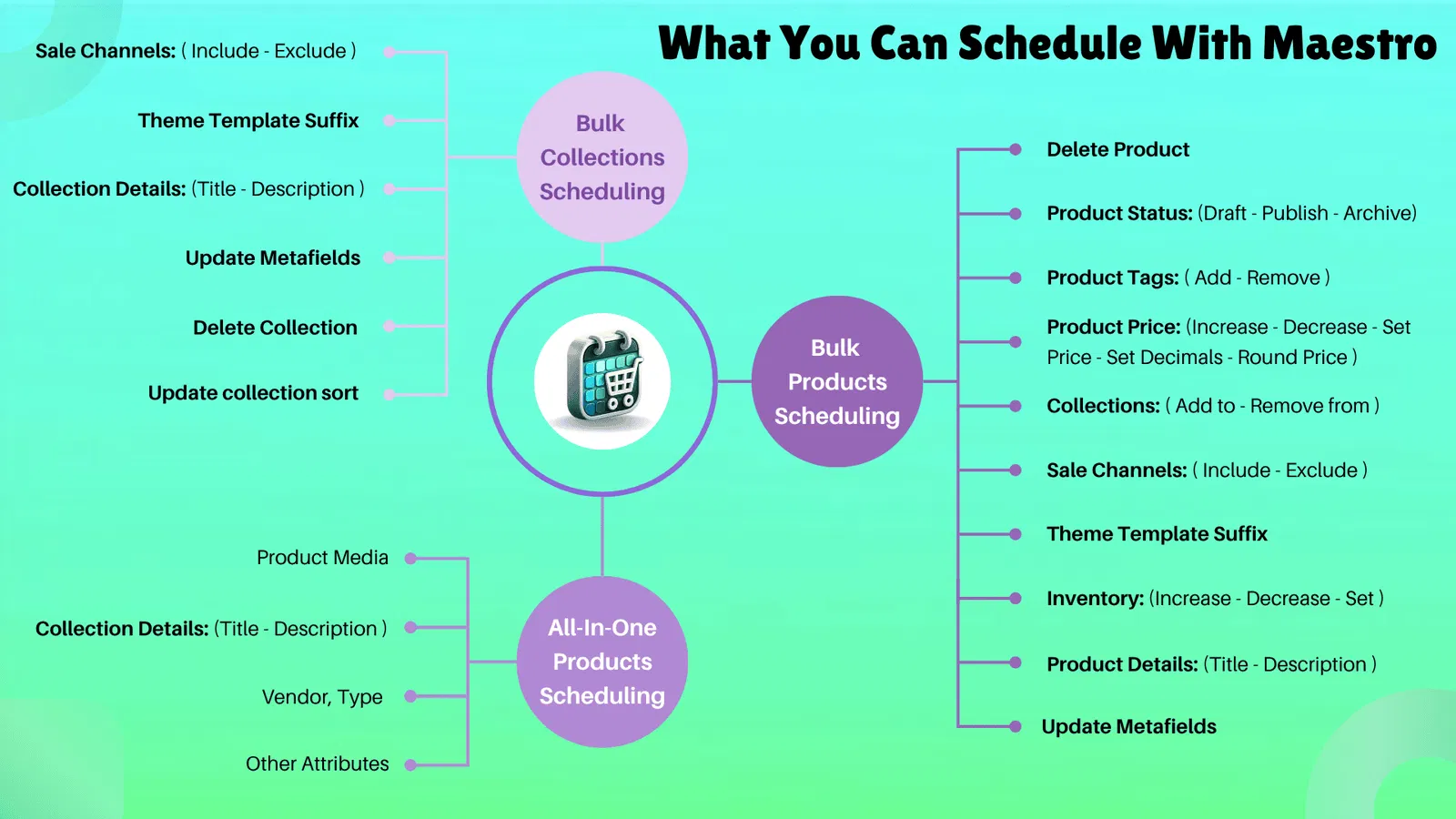
Automated sorting provides three core advantages that directly impact the bottom line:
- Increased Revenue through Strategic Positioning: By automatically promoting bestsellers and high-margin items, stores can see a significant boost in average order value.
- Real-Time Responsiveness: Systems can be configured to re-sort collections hourly or daily, adjusting to inventory changes and sales velocity without any human intervention.
- Enhanced Operational Efficiency: Automation allows your team to "set and forget" merchandising rules, freeing them to focus on high-level marketing and customer acquisition.
Strategic Rules for High-Performance Stores
To truly master dynamic merchandising, you must move beyond simple "newest to oldest" sorting. High-performance stores use multi-parameter weighted rule sets to determine product ranking. Here is how advanced automated sorting functions within a professional shopify store setup.
1. Sales Velocity and Performance
Products that are selling well should naturally rise to the top. By sorting by sales data over the last 7, 30, or 90 days, you ensure that your most popular items get the most visibility. This creates a "snowball effect" where popular items continue to drive the bulk of your conversions.
2. Inventory Levels and Stock Ratios
Nothing kills a conversion faster than clicking on a product only to find it is sold out. Automated sorting can demote products with low inventory or hide out-of-stock items entirely. More importantly, it can prioritize products with high stock levels to help you clear inventory and improve cash flow.
3. Product Age and Seasonality
For fashion and lifestyle brands, freshness is key. You can create rules that prioritize "New Arrivals" for the first 14 days of a product's life, then transition them into a sales-based sorting logic. This ensures your return customers always see something new when they visit.

Rankify Smart Collections: The Engine of Growth
Rankify Smart Collections is designed to handle the heavy lifting of collection management. As a Shopify expert, I recommend this tool because it moves beyond the basic native features of Shopify and introduces sophisticated logic that professional merchants require.
Weighted Rule Sets
The most powerful feature of Rankify is the ability to create weighted rules. Instead of sorting by just one attribute, you can combine multiple factors. For example, you can create a rule where:
- 40% of the rank is determined by sales volume.
- 30% of the rank is determined by inventory levels.
- 20% of the rank is determined by product margin.
- 10% of the rank is determined by how recently the product was added.
This multi-dimensional approach ensures that your collection is always perfectly balanced for both the customer experience and your business goals.
Advanced Tag-Based Sorting
Tags are the backbone of a well-organized Shopify store. Rankify allows you to use tags to create "boost" rules. If you have a specific promotion or a seasonal focus, you can add a tag like "Spring-2026" to products and instruct the app to prioritize any product with that tag at the top of every relevant collection. This level of control is essential for managing custom shopify themes that rely on complex filtering and navigation.
Step-by-Step Guide to Implementing Automated Sorting
If you are ready to upgrade your store’s merchandising, follow these steps to implement a dynamic system.
Step 1: Audit Your Current Collection Performance
Before automating, you need to know what is working. Use your Shopify analytics to identify which products have high views but low conversions. Often, these products are buried too deep in your collections.
Step 2: Define Your Business Priorities
Are you focused on clearing old stock, or are you trying to maximize profit margins? Your sorting rules should reflect your current business objective. If you are preparing for a major sale, your logic might shift to prioritize "highest discount" or "most stock."
Step 3: Install and Configure Rankify Smart Collections
Once the app is installed, navigate to the collection you wish to automate. Select the "Smart Sort" option and begin building your rule set.
- Select your primary criteria: Start with "Sales" or "Inventory."
- Add secondary weights: Layer in "Product Age" or "Price."
- Set the frequency: Choose how often you want the app to re-calculate the order (e.g., every 6 hours).
Step 4: Monitor and Refine
Automation does not mean total abandonment. Check your collection pages weekly to ensure the logic is producing the visual result you want. You can easily adjust weights to fine-tune the presentation.

Advanced Strategies for Custom Shopify Themes
When working on shopify plus development projects, we often integrate automated sorting with other advanced features to create a seamless ecosystem. For instance, combining dynamic merchandising with a scheduled theme update allows you to synchronize your visual branding with your product rankings.
Consider a "Flash Sale" scenario. You can use automated tools to:
- Change your theme's hero banner at midnight.
- Automatically boost all "Sale" tagged items to the top of collections.
- Demote any items that fall below a certain inventory threshold during the rush.
- Revert all settings once the sale period ends.
This level of synchronization ensures that your domain is set up for maximum impact and that your marketing efforts are never undermined by outdated site content.
Conclusion: A Proactive Step for Your Store’s Future
Dynamic merchandising is no longer a "nice to have" feature; it is a vital step in modern e-commerce. As the competition grows, the ability to present your catalog efficiently and intelligently becomes a significant competitive advantage. By moving away from manual sorting and embracing the power of Rankify Smart Collections, you are not just saving time: you are optimizing your store for maximum conversion.
Implementing these automated workflows is a proactive step that will significantly enhance your store's usability and conversion rate. Whether you are just starting your shopify store setup or you are looking to refine a complex Shopify Plus environment, the investment in automation will pay dividends in the form of higher sales and a more agile operations team.
If you are looking to take your store to the next level, start by evaluating how much revenue you might be leaving on the table with static collections. The transition to dynamic, automated sorting is one of the most impactful changes you can make to your digital strategy this year.
Ready to optimize your Shopify Plus store? Explore how XCO Agency can help you implement advanced automation and custom development strategies to scale your business.