
As a Shopify expert, I often work with high-growth merchants who find themselves trapped in the repetitive cycle of manual merchandising. When you first launch a store, manually arranging products seems like a manageable task. You want your best-selling t-shirt at the top and your clearance items at the bottom. However, as your catalog grows and your traffic increases, this manual approach quickly becomes a significant bottleneck for your Shopify store setup.
I have seen firsthand how manual sorting can lead to missed revenue opportunities and frustrated marketing teams. Merchants are seeking ways to keep their storefronts fresh without spending hours every week in the Shopify admin. The reality is that manual collection sorting is reactive, while modern e-commerce requires a proactive, data-driven strategy. This is where Rankify Smart Collections steps in to bridge the gap between manual effort and automated excellence.
Why Manual Sorting is Failing Your Store
Before we dive into the solution, it is vital to understand why the traditional drag and drop method is no longer sufficient for competitive e-commerce. Here are the primary reasons your manual efforts are likely falling short of your goals:
1. Human Error and Forgetfulness
Even the most diligent merchandising manager can forget to update a collection. When you manually sort, you are relying on someone to remember to move out-of-stock items to the bottom or promote a new arrival to the top.
- Product updates are often delayed by internal meetings or other high-priority tasks.
- Inconsistent sorting across different collections creates a disjointed user experience.
- Small errors, such as leaving a seasonal item at the top of a page in the off-season, can damage brand credibility.
2. Stale Inventory Squashing New Arrivals
When you manually sort a collection, new products are often added to the end of the list by default. Unless you login and move them to the top immediately, your most exciting new inventory remains hidden on page three or four.
- Customers who visit your store frequently want to see what is new.
- Manual sorting fails to account for the "recency effect" that drives impulse purchases.
- New arrivals often have the highest profit margins but receive the least visibility.

3. Inability to React to Real-Time Sales Data
Manual sorting is a static snapshot of a dynamic market. If a specific product suddenly goes viral on social media, a manual process cannot move it to the top of your collection fast enough to capitalize on the surge in interest.
- Manual updates cannot keep pace with hourly fluctuations in sales velocity.
- You lose potential conversions when trending items are buried under legacy products.
- Rankify allows for automated collection sorting based on actual sales performance, ensuring your winners are always visible.
4. The Nightmare of Scale
For a store with fifty products, manual sorting is a chore. For a Shopify Plus development project with thousands of SKUs and hundreds of collections, manual sorting is an impossibility.
- Managing large catalogs requires a level of precision that human effort cannot match.
- Scaling your business should not mean scaling your administrative hours.
- Automated systems allow your team to focus on growth strategies rather than clicking and dragging icons.
5. Technical Conflict and Theme Overrides
I often encounter situations where a merchant’s custom Shopify themes or third-party apps conflict with the manual sort order. Sometimes, the theme code is configured to default to "Alphabetical" or "Price: Low to High," completely ignoring the manual order set in the admin.
- Themes may include liquid code that overrides the manual sort preference.
- URL query parameters can force a different sort order, confusing customers.
- Search and filter apps sometimes struggle to sync with manual admin changes in real-time.
6. Ignoring Product Age
A common mistake in manual sorting is focusing only on sales. Merchants often forget to factor in how long a product has been sitting in the warehouse. Manual sorting rarely accounts for the age of the product in a meaningful way.
- Old inventory ties up capital that should be used for new stock.
- Manually identifying "slow movers" across hundreds of collections is time-consuming.
- Automated rules can prioritize products based on their "created_at" date to ensure a healthy inventory turnover.
7. Lack of Multi-Factor Sorting (Weighted Rules)
Human brains are not built to calculate complex weighted averages on the fly. When you manually sort, you usually pick one metric: "I like this product" or "This sold well yesterday." You cannot easily balance inventory levels, sales velocity, and profit margins simultaneously.
- Manual sorting is one-dimensional.
- Rankify uses weighted rule sets to evaluate multiple data points at once.
- This ensures that a product is not just a "best seller," but also a "high inventory" and "high margin" item before it earns a top spot.
8. Mobile vs. Desktop Inconsistency
What looks good on a desktop grid of four products per row might look terrible on a mobile device with a single-column layout. Manual sorting rarely accounts for the visual hierarchy across different device types.
- Merchants often sort based on their desktop view, neglecting the mobile shopper.
- Automated sorting ensures that the most relevant products appear first, regardless of screen size.
- Optimizing for mobile is a critical part of Shopify speed optimization and overall UX.
9. Manual Labor Costs and Time Drain
If you calculate the hourly wage of the person responsible for merchandising, you will likely find that manual sorting is one of the most expensive hidden costs in your business.
- Time spent on manual sorting is time taken away from marketing and customer acquisition.
- Automation reduces overhead and allows for a leaner, more efficient team.
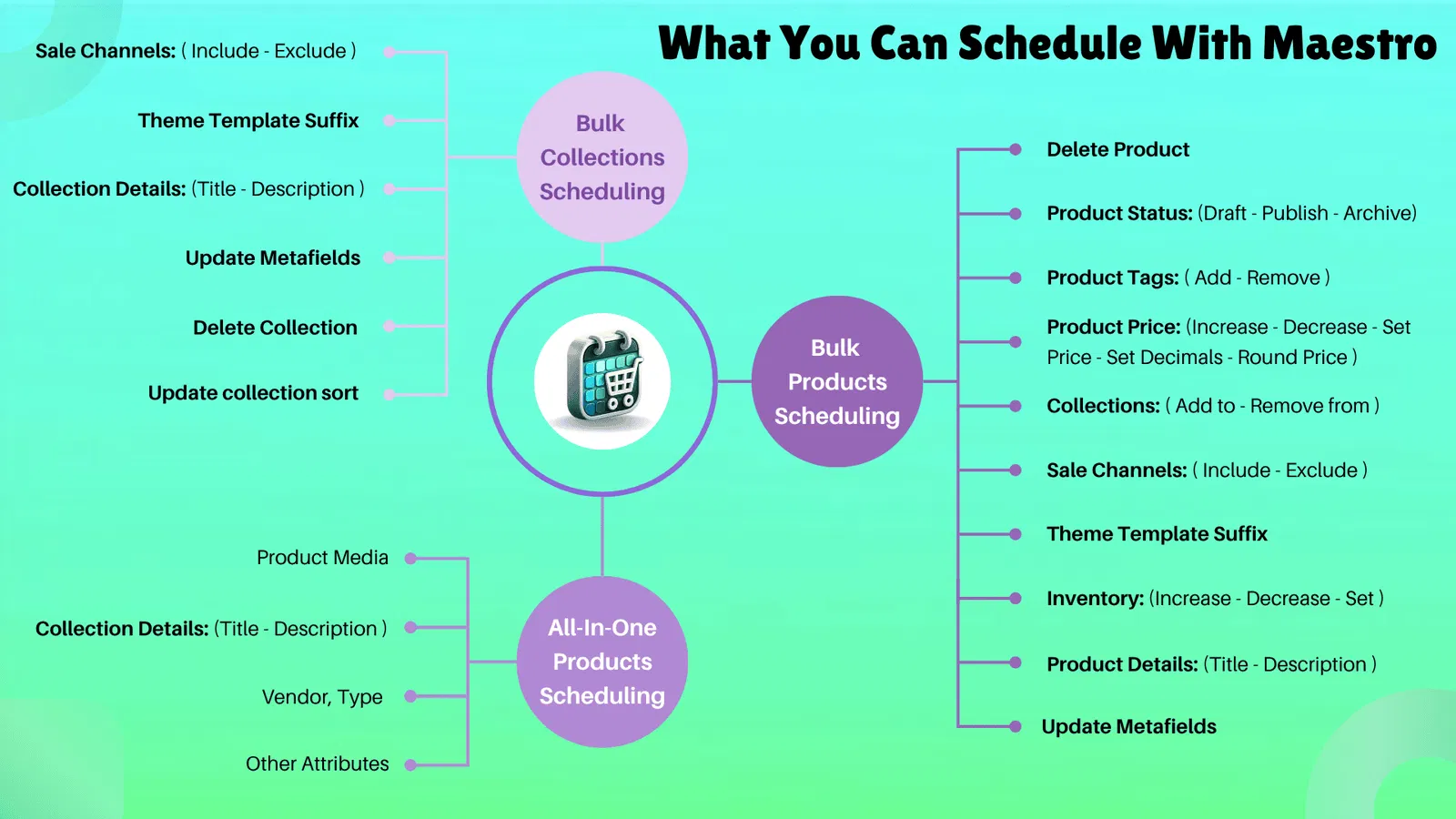
- Using tools like Rankify or the Maestro Theme Scheduler can save dozens of hours per month.
10. Cache Latency and Visual Mismatches
Sometimes you save a manual sort in the Shopify admin, but it does not appear on the storefront for several minutes or even hours due to server-side caching. This leads to confusion and double-work.
- Merchants often think their changes didn't save and try to redo them.
- Manual sorting does not trigger the same robust cache clearing that automated API updates often do.
- Automation through Rankify ensures that the data being pushed to the storefront is consistent and updated frequently.

How Rankify Fixes Your Merchandising Woes
Rankify Smart Collections is designed to take the guesswork and the manual labor out of the equation. By utilizing dynamic merchandising and automated sorting, you can ensure your store is always optimized for maximum conversion. Here is how Rankify transforms your workflow:
Weighted Rule Sets for Precision
Rankify allows you to create complex rules that govern how products are ranked. Instead of just sorting by "Best Selling," you can create a rule that gives 40 percent weight to sales velocity, 30 percent to inventory levels, 20 percent to product age, and 10 percent to tag-based priorities.
- Navigate to the Rankify dashboard to define your custom weights.
- Adjust these weights seasonally to prioritize different goals, such as clearing old stock during a sale.
- Ensure that your Shopify integrations are feeding accurate data into the system.
Automated Sorting by Tags and Inventory
One of the most powerful features is the ability to sort by tags. If you have a "Trending" tag or a "Limited Edition" tag, Rankify can automatically boost those products to the top of any collection they belong to.
- Set rules to automatically demote out-of-stock items to the very bottom.
- Use tags to group specific products for promotional visibility without manual intervention.
- Maintain a clean, professional look even as inventory fluctuates throughout the day.
Time-Saving Automation for Shopify Plus
For those utilizing Shopify Plus development, Rankify provides the enterprise-level control needed for massive catalogs. It works seamlessly with the advanced features of the Plus platform to provide a robust merchandising solution.
- Automate updates across thousands of SKUs in seconds.
- Sync your merchandising strategy with your global growth strategies.
- Reduce the need for a large team dedicated solely to site maintenance.
Implementing Rankify: A Simple Step-by-Step Guide
Transitioning from manual to automated sorting is a straightforward process that will yield immediate benefits for your store's performance.
Step 1: Audit Your Current Collections
Identify which collections are the most critical for your revenue and which ones are currently suffering from stale content or poor sorting.
- Check your analytics to see where customers are dropping off in the collection view.
- Look for "high view, low click" products that might be taking up valuable real-time estate.
Step 2: Define Your Ranking Logic
Decide what matters most for your brand right now. Is it clearing out old inventory, or is it pushing the newest arrivals?
- Select the metrics that align with your current business goals.
- Ensure you have a balance between "what customers want" (sales) and "what the business needs" (inventory turnover).
Step 3: Configure Rankify Rules
Launch the Rankify app and begin setting up your smart collections. You can start with a general rule for all collections or create specific rules for categories like "New Arrivals" or "Sale."
- Click on "Create New Rule" in the Rankify interface.
- Apply your weighted percentages to the available data points.
- Save and preview the changes to ensure the visual output matches your expectations.
Step 4: Monitor and Refine
The beauty of automation is that it provides data. Monitor how your conversion rates change after implementing Rankify and refine your rules as needed.
- Use A/B testing logic to see if a different weighted balance performs better.
- Stay updated with our FAQs if you encounter any technical hurdles.
Conclusion: Taking a Proactive Step Toward Automated Growth
Relying on manual collection sorting is a reactive approach that limits your store's potential and drains your team's resources. In the fast-paced world of e-commerce, being able to respond to inventory changes and sales trends in real-time is a vital step for any merchant looking to scale.
By implementing Rankify Smart Collections, you are not just saving time; you are optimizing your store for higher conversions and better customer experiences. It is a proactive step that transforms your merchandising from a tedious chore into a powerful growth engine. If you are ready to stop dragging and dropping and start growing, it is time to look at how Rankify can revolutionize your Shopify store setup.
If you have questions about how to integrate these tools into your existing workflow or need help with a migration to Shopify, we are here to help. At XCO Agency, we specialize in helping merchants master the complexities of the Shopify platform.
Ready to automate your merchandising? Book a meeting with our experts today to discuss how Rankify and our Shopify design services can power up your store.